
Describe your ideal week.
My ideal week is when I wake up on time, get work done and make good sales


Describe your ideal week.
My ideal week is when I wake up on time, get work done and make good sales
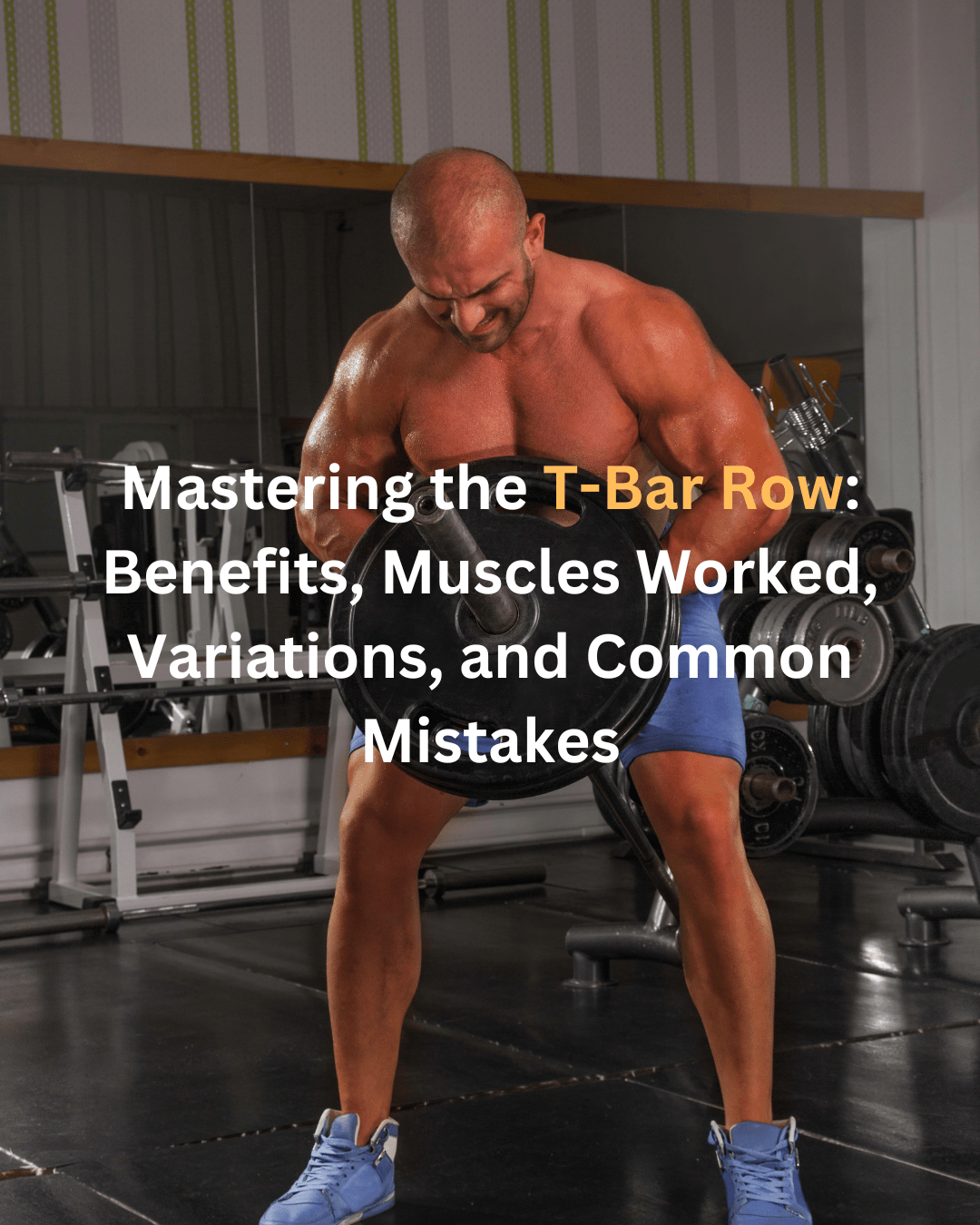
Few exercises are as practical as the T-bar row when building a strong, thick back. This staple in many gym routines delivers a powerful workout that focuses on back development, but it’s so much more than just a back exercise.
In this blog, we’ll explore everything you need to know about the T-bar row, including its benefits, how to do it, common mistakes, and some effective variations to keep your workouts fresh and exciting.
The T-bar row machine primarily targets your back muscles, focusing on the middle and upper back, including the latissimus dorsi, trapezius, and rhomboids. It also engages secondary muscles like the biceps, rear deltoids, and coreto stabilize your body during the motion.
The result? A thicker, more robust back, improved posture, and a better foundation for other pulling exercises, such as pull-ups and deadlifts.
The T-bar press is a less common variation of the traditional T-bar row. This press targets your shoulders, chest, and triceps rather than the back. Instead of rowing the weight toward your body, you’re pressing it upward like an overhead press. This makes it a fantastic compound movement for building upper body strength and can complement your back-focused workouts.
The T-bar row is relatively simple to perform but requires good form to get the most out of it and prevent injury. Here’s a step-by-step breakdown:
Pro tip
Your lower back should remain wholly fixed during the movement. The only part of your body that should move is your arms. Keep your shoulders relaxed at the bottom and tighten them at the top for maximum effectiveness.
Yes, the T-bar row is excellent for your back! It’s one of the best exercises for targeting the middle and upper back, creating a thick, muscular look. It emphasizes back muscle hypertrophy while improving overall pulling strength, which is essential for functional fitness.
Additionally, because the movement requires a straight back and tight core, the T-bar row helps strengthen your lower back as well, offering a complete back workout.
The primary muscles targeted by the T-bar row include:
Secondary muscles:
Absolutely! The T-bar row is highly effective for back development and can help improve posture, back strength, and overall physique. It’s a compound movement that engages multiple muscle groups, making it an efficient exercise for building upper body strength.
The T-bar row is particularly effective for targeting the middle back, especially the trapezius and rhomboid muscles. By adjusting your grip (narrow or wide), you can slightly alter the emphasis on different parts of your back.
If your lower back hurts during T-bar rows, it’s usually a sign that your form is off. Here are some common mistakes:
To avoid injury, brace your core, keep your back straight, and use an appropriate weight.
The weight for the T-bar row will vary depending on your fitness level. As a general rule:
Remember, quality over quantity. It’s better to lift a moderate weight with perfect form than to go too heavy and risk injury.
The T-bar machine simplifies the movement, offering more stability than a free-weight setup. Here’s how to use it:

The T-bar machine offers a safer, more controlled way to perform the exercise, which can be helpful if you’re recovering from an injury or new to rowing movements.
While the T-bar row is a great exercise, it does have a few potential drawbacks:
Both T-bar rows and pull-ups are practical exercises, but they target the back in slightly different ways.
Pull-ups focus more on width, targeting the lats to give that “V-taper” look.
T-bar rows emphasize thickness, particularly in the middle and upper back.
Neither exercise is necessarily “better,” but incorporating both into your routine can provide a more comprehensive back workout.
To get the most out of the T-bar row, avoid these common mistakes:
1. Always maintain a slight knee bend for balance and support.
2. Keep your back straight and avoid rounding your shoulders.
3. Focus on using your back muscles, not your arms.
4. You should hinge at the hips, not the waist.
5. Large plates can restrict your range of motion. Opt for smaller plates if needed.
The T-bar row is a fantastic exercise for building a strong, thick back, but it’s essential to maintain proper form and gradually increase weight. You can get the most out of this powerhouse move by incorporating variations and avoiding common mistakes.
So, grab that bar, tighten up your core, and row your way to a bigger, stronger back!
Did you find this article interesting, leave a comment below.

Staying consistent sounds simple but can be challenging, especially when motivation fades or obstacles arise.
Motivation is usually high at the beginning of a new routine. However, as time goes on, that excitement can fade. It is easy to lose interest when the results are not immediate, or things get boring.
Another reason why we find it hard to stay consistent is distractions. Life is full of distractions. Unexpected events, social media, and other temptations can throw you off track. It is hard to stay focused when so many things compete for your attention.
Another big mistake that is affecting your consistency is trying to change everything at once. When you take on too much, you quickly feel overwhelmed and give up.

Building consistency starts with creating daily habits that fit your life. It is not always easy, but having a clear plan can make a big difference. Here are some practical steps to help you stay on track:
Start by planning out your day. Set specific times for activities like waking up, studying, exercising, and relaxing. A schedule helps you know exactly what to do and when, making it easier to stick to your routine. First thing I do when I get up is say something positive to myself.
Instead of making significant changes all at once, focus on one small habit at a time. For example, if you want to start exercising, begin with just 10 minutes a day. Once that becomes a habit, you can gradually increase the time.
Use alarms, sticky notes, or apps to remind you of the habits you’re trying to build. Regular reminders help you stay on track and keep your goals top of mind.
Keep a simple checklist or use a habit-tracking app to see how often you follow your routine. Tracking your habits can keep you motivated and show you how far you’ve come, even when it feels tough.

Reward yourself for sticking to your routine, even if it’s just for a few days in a row. Recognizing your progress, no matter how small, can keep you motivated and remind you that you’re progressing.
Having a plan makes consistency easier. Create a simple schedule that includes your daily tasks and goals. Knowing what to expect makes you less likely to get off track.
Consistency is about the long game. Don’t expect instant results. Stay patient and remind yourself that small, daily efforts add up over time. If you miss a day, don’t give up—get back on track the next day.
An example of a consistent daily routine:
This routine includes a balance of work, rest, and fun. Balance is critical to staying consistent over the long term. To build daily habits that stick, start small and focus on one or two changes at a time. As those habits become second nature, you can gradually add more tasks to your routine. Remember, consistency is not about being perfect. It is about showing up daily, doing your best, and staying committed to your goals.

Consistency is challenging because it requires discipline, patience, and effort daily. The key to overcoming these challenges is taking them one step at a time. If you slip up, don’t be too hard on yourself; just return to your routine the next day. Remember, the goal is progress, not perfection.
By starting small, setting clear goals, and staying organized, you can gradually build a routine that works for you. Consistency takes time, but with the right mindset and approach, it is something anyone can achieve.
Consistency does not just matter in daily routines. It is also a powerful tool for building strong and lasting relationships. Whether with friends, family, or even in teamwork, consistency with your actions and communication builds trust, reliability, and deeper connections.
People know they can count on you when you are consistent in how you treat others. For example, if you regularly check in on a friend, offer support when needed, or follow through on plans, it shows that you care and are dependable. This builds trust and strengthens the bond between you and others.
Consistency is critical to creating a stable and supportive environment in family relationships. Being reliable with family commitments, such as helping out at home or showing up when needed, shows that you are someone they can depend on. Over time, this reliability leads to more robust and healthier relationships.
Sticking to your habits and promises creates success in relationships and life. In the long run, consistent actions like regularly communicating, being there for others, and honoring your commitments make a difference. Consistency is not just about doing something once; it is about repeatedly showing up, even when it is not easy or convenient.
Consistency also helps you develop a reputation for being trustworthy. When people see that you consistently keep your word, they’ll naturally feel more confident in you. This reliability becomes a core part of your character and strengthens your relationships.
Staying consistent is hard work, and there will be days when it feels easier to give up. However, staying motivated can help you push through tough times and develop habits that lead to success.
Consistency is not about being perfect but about starting and making steady progress over time. Even when things get difficult, staying committed can lead to great results. Whether it’s improving in a sport, doing better in school, or building better relationships, small efforts repeated daily can add up to big changes.
Perfectionism can sometimes be mistaken for consistency, leading to burnout or frustration. The secret of consistency is finding a balance and being adaptable while remaining committed. Let us explore how to stay motivated and why it is worth the effort.
Sometimes, a simple quote can be a powerful reminder to keep going.
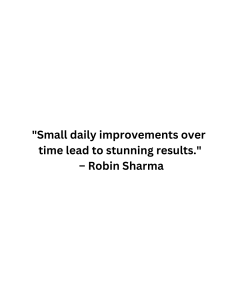

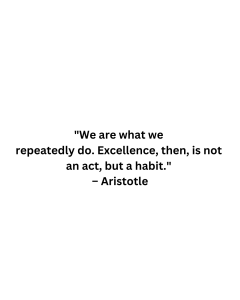

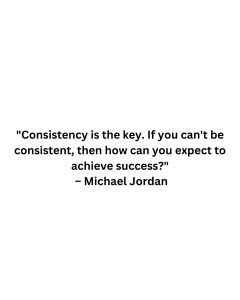
These quotes capture the idea that the little things we do consistently lead to success. They remind us that staying on track, even when it is hard, is what makes a difference.

One thing that has helped me stay consistent is reading my bible. I wished I started reading my bible earlier. This is why I created the coloring books, to get young people to start reading their bible.

Conclusion
Starting small is the best way to build consistency. Begin with manageable changes, stay determined, and gradually build on your habits. Every small step you take helps you move closer to your goals, making the journey to success more achievable and rewarding.
Remember, consistency is not about perfection but about making steady progress and staying committed to your path. By trusting the process and consistently putting in the effort, you will see the positive impact on your daily life, your relationships, and your personal growth. Embrace the power of consistency, and let it guide you towards a more fulfilling and successful life.
Did you find this article helpful? Leave a comment below and definitely share this post with your friends.

Consistency is a powerful tool that can transform your life, bringing you closer to your goals and helping you build lasting habits. But how can you become more consistent in everything you do? In this post, we’ll share seven foolproof steps to help you stay consistent, reach your goals, and live a more productive life.

Consistency means doing something the same way, regularly, over time. In daily routines, consistency helps us stay organized and reach our goals. It is the small actions we repeat every day that lead to significant changes in the long run. In relationships, consistency builds trust and shows that we are reliable.
Consistency means regularly doing something steady and reliable. It is about sticking to habits and routines, even when it gets tough. In simple terms, consistency is when you keep showing up, putting in effort, and repeating actions that help you reach your goals.
Having a consistent mindset is critical to success. When you are consistent, you stay focused and determined, even when you don’t feel motivated. This mindset helps you develop discipline for achieving goals, whether improving in school, learning a new skill, or becoming healthier. By focusing on long-term goals, you can push through challenges and build lasting habits.
Consistency also shapes your character. They are consistent, showing you are dependable, trustworthy, and serious about your commitments.
When you keep your word and follow through on what you say, people will learn that they can count on you. Whether in friendship, family relationships, or even at school, consistency builds trust and respect, making you someone others can rely on.
Consistency is crucial when building habits. Small actions, repeated consistently, often lead to significant results over time. For example, exercising regularly, even for a few minutes daily, can benefit long-term fitness.
In his book Atomic Habits, James Clear emphasizes the power of consistent, incremental improvements. This concept is often referred to as the “1% rule“,“ which” suggests that getting 1% better every day compounds into significant gains over time.
In the workplace, consistent performance often leads to better results and trust. Delivering quality work repeatedly builds a reputation for reliability. Systems and processes thrive on consistency. Companies with consistent workflows are more efficient and productive because of less variability and confusion.
Consistent practice is essential for mastering any skill. Whether learning a language, playing a musical instrument, or improving in a sport, regular practice leads to gradual improvement. The concept of “deliberate practice“ emphasizes consistent, focused effort on specific areas of improvement to achieve expertise.
Consistency is critical in building and maintaining trust in personal or professional relationships. People rely on those who are consistently reliable and truthful. Trust grows when someone consistently follows through on their words over time.
Maintaining consistent routines, such as sleep schedules, exercise, and self-care practices, contributes to emotional stability and well-being. Consistency in thought patterns can also help develop a positive mindset, leading to resilience and better mental health.
In marketing and branding, consistency ensures that a company’s values and customer experience remain cohesive. This builds brand recognition and loyalty. Consistent branding across all platforms (social media, advertisements, customer service) strengthens a brand’s brand and makes it more memorable.
Being consistent helps you reach your goals and shapes who you are as a person. You are dependable and trustworthy when you consistently do what you say you will. People know they can count on you because you stick to your word and follow through on your promises.
For example, if you promise to help a friend with homework every Tuesday and consistently show up, they will trust you more. The same goes for things like completing your chores, studying regularly or meeting deadlines at school. When you build a consistent habit, you develop a reputation for reliability.
Having a consistent character is not just about how others see you but also about how you see yourself. Staying committed to your actions and values builds self-discipline and confidence. Over time, consistency in small, everyday actions helps you grow into a steady, responsible, and respected person. This strong character will benefit you throughout your life, whether it’s in friendship, work, or other areas of personal growth.
The first step to building consistency is to know precisely what you want to achieve. Clear goals give you direction and purpose, making it easier to stay focused. Start by setting specific, measurable, and attainable goals. Break them into smaller tasks and set daily or weekly intentions to keep you on track. Remember, small wins add up to big successes over time.
Successful people often have a set routine that they follow every day. A daily routine helps you build structure, making staying consistent in your habits easier. Create a checklist of daily habits that align with your goals. This could include exercising, meditating, reading, or working on a side project. Over time, these habits will become second nature, making it easier to stay consistent.
Motivation can be fleeting, but discipline is what will keep you consistent. Discipline means doing what needs to be done, even when you don’t like it. Cultivate discipline by setting non-negotiable rules for yourself. For example, if you want to build a habit of reading every day, make it a rule to read for at least 10 minutes, no matter what. Over time, your discipline will strengthen, and consistency will follow.
Rewarding yourself for staying consistent can be a powerful motivator. Each time you complete a task or stick to a habit, treat yourself to something small but meaningful. Positive reinforcement can boost your morale and encourage you to keep going, even when things get tough. Celebrating your progress is essential, no matter how small it may seem.
Accountability can make a significant difference in your consistency journey. Find a friend, mentor, or accountability partner to keep you on track. Share your goals with them and check in regularly to discuss your progress. Knowing that someone else is watching can provide an extra push to stay consistent, especially when you’re scared to slack off.
Habits are the building blocks of consistency. The more you repeat a behavior, the more it becomes ingrained in your daily routine. Focus on building small, manageable habits that align with your goals.
Start with one or two habits and gradually add more as you become comfortable. Over time, these habits will become automatic, making consistency feel effortless.
Consistency only works after some time. It takes time, patience, and persistence. Understand that there will be setbacks along the way, but don’t let that discourage you. Keep pushing forward, even when progress seems slow. Remember that consistency is an art form; like any art, it takes practice to master.
Consistency is the key to long-term success. By setting clear goals, creating a daily routine, prioritizing discipline, and embracing the power of habits, you can build a consistent lifestyle that leads to success. Stay accountable, use positive reinforcement, and practice patience and persistence to keep moving forward. With these seven proven methods, you’ll be on your way to achieving your goals and becoming the best version of yourself.
“Success is not about what you do occasionally, but from what you do consistently.”
“Discipline is the bridge between goals and accomplishment.”
“Consistency is not about perfection, it’s about persistence.”
Stay consistent, stay disciplined, and watch how your life transforms. Success is within your reach—one consistent step at a time.
Did you find this article helpful? Leave a comment below

Dealing with dandruff can be frustrating and often embarrassing, but don’t sweat it—just shampoo it! Well, sometimes. Dandruff comes in different forms, each with its causes and treatments. Whether you’re struggling with dry flakes, an oily scalp, or even scalp fungus, understanding the various types of dandruff and how to treat them is critical to finding relief.
This post will explore the causes of dandruff and home remedies that save you a quick buck and offer practical, natural solutions to revitalize your hair and scalp.
But before you dive into treatments, you might wonder, “Do I actually have dandruff, or is my scalp just dry?” We’ll help you differentiate between the two and guide you through what causes dandruff and how to treat it effectively.

Dandruff is a condition where the skin on your scalp sheds more than usual, leading to visible flakes of dead skin in your hair, scalp, and shoulders. The white or yellow flakes on the scalp can make your head feel itchy and uncomfortable. Many people experience this at some point in their lives. While it is not a severe health problem, dandruff can be embarrassing and annoying. It can be mild or severe, but it is usually chronic. Dandruff can often be managed effectively with proper care and treatment.
Understanding what causes dandruff and its symptoms can help you find the best ways to treat and prevent it.
Dandruff is a common scalp condition that can be frustrating to manage. Did you know there are different types of dandruff, each requiring a unique approach to treatment? Understanding your dandruff type is crucial to effectively addressing the problem and achieving a healthier, flake-free scalp.
Dry Skin-Related Dandruff
Characteristics:
Causes:
Treatment:
Characteristics:
Causes:
Treatment:
Fungal-Related Dandruff
Characteristics:
Causes:
Treatment:
Characteristics:
Causes:
Treatment:
Psoriasis-Related Dandruff
Characteristics:
Causes:
Treatment:
Identifying your dandruff type is the first step to effective treatment. By tailoring your approach to the specific cause, you can manage and even eliminate dandruff, leading to a healthier scalp and more confident you. If over-the-counter treatments don’t work or your dandruff is severe, consider consulting a dermatologist for further guidance.
Dandruff is easy to spot because of its noticeable symptoms. Recognizing these symptoms early can help you take steps to manage dandruff before it becomes more severe. Treating the condition as soon as you notice the signs can reduce discomfort and keep your scalp healthy.
It is essential to know the difference between dandruff and dry scalp. Dandruff is often mistaken for a dry scalp, but the two differ. While a dry scalp happens because of a lack of moisture, dandruff is usually caused by an overgrowth of a yeast-like fungus called Malassezia or by having an oily scalp. The critical difference is that dandruff flakes tend to be larger and are usually accompanied by an itchy, sometimes oily scalp.
Dandruff is not spreadable and cannot be transmitted from person to person through direct contact or shared personal items like combs or hats. However, the condition can be uncomfortable and bothersome. If you have dandruff, managing it through proper scalp care and treatment is essential, but you do not need to worry about spreading it to others.
Dandruff itself is not directly inherited, but a predisposition to conditions that can lead to dandruff might be influenced by genetics. If your family members are prone to scalp issues like dandruff or seborrheic dermatitis, you may be more likely to experience similar problems due to inherited traits.
Factors such as skin type, scalp sensitivity, and susceptibility to fungal infections can have a genetic component. For example, if your family has a history of oily skin or conditions that affect the scalp, you might be more prone to developing dandruff.
While you can’t inherit dandruff directly, understanding your family’s history can help you take preventive measures and manage the condition more effectively if it does arise.
Getting rid of dandruff might seem challenging, but you can effectively manage and reduce it with the right approach. Here are some of the best ways to treat dandruff
One of the most effective ways to combat dandruff is to use a specially formulated anti-dandruff shampoo. Look for shampoos that contain active ingredients like zinc pyrithione, selenium sulfide, ketoconazole, or coal tar. These ingredients work by reducing the fungus on your scalp, slowing down the production of skin cells, and soothing irritation. Use these shampoos regularly for the best results.
If you prefer natural solutions, there are several remedies you can try at home. Tea tree oil is known for its antifungal properties and can be added to your regular shampoo. Apple cider vinegar can also help by balancing the pH level of your scalp, making it harder for yeast to grow. Aloe vera, with its soothing properties, can reduce itchiness and irritation.
In addition to natural oils and treatments, you can use everyday household items to treat dandruff. Baking soda, for example, can act as a gentle exfoliant, helping to remove dead skin cells and reduce flakes. You can also try a coconut oil massage to moisturize your scalp and relieve dryness.
Finding the best dandruff shampoo can make a big difference. Choose a shampoo based on your specific needs—whether you have an oily or dry scalp or mild or severe dandruff. For instance, shampoos with ketoconazole are highly effective for severe dandruff, while those with salicylic acid can help with flake removal.
Key ingredients to look for in shampoo:
Consistency is vital in managing dandruff. Wash your hair regularly with an anti-dandruff shampoo, and avoid using harsh hair products that can irritate your scalp. Ensure that you rinse thoroughly to remove any product buildup contributing to dandruff.
Following these tips and treatments can significantly reduce dandruff and enjoy a healthier scalp. Finding the best solution for you might take some time, but with persistence, you’ll see improvements.
Dandruff may be a common issue, but it doesn’t have to be permanent. By understanding dandruff, identifying its causes and symptoms, and using the right treatments, you can effectively manage and reduce this condition.
Did you find this article helpful? Leave a comment below.
Share a story about the furthest you’ve ever traveled from home.
Home 🥺
Mmm this touched a tender spot in my heart.
Home is where my family is. However, my family is currently spread all over the world, so I am a bit torn about where home is.
Let’s just say home is in South Africa because that’s where my daddy’s house is😅.
I had to leave SA unexpectedly but thankfully I had God’s backing 😊
Today home is on my phone 😊, I get to call my family and send them cute messages 😅
Furthest I ever traveled from home? 🥹 Let’s just say I carry my home with me all the time so I am never too far from home, I mean them. That is, my family ☺️


Dealing with dandruff can be frustrating, especially when you need a quick solution. Whether you have a big event the next day or just want to feel confident with a flake-free scalp, here’s how you can tackle dandruff overnight using natural and effective remedies you can do right at home.
You’ll discover quick home remedies to cleanse your scalp of dandruff and achieve a flake-free, healthy scalp. For those with curly hair, finding the best dandruff shampoo can be a game-changer, while home remedies to get rid of scalp fungus offer prevention tips that can help stop dandruff at its source.
These overnight dandruff remedies are easy to try at home and provide quick relief. However, consistent care and prevention are crucial to keeping dandruff at bay. If your dandruff persists, consider consulting a dermatologist for further advice.
Tea tree oil is known for its antifungal and anti-inflammatory properties, making it a powerful remedy for dandruff. Before bed, mix a few drops of tea tree oil with a carrier oil like coconut or olive oil. Massage this mixture into your scalp, focusing on where you notice flakes most. Leave it on overnight and wash it in the morning with a mild shampoo.
Aloe vera has soothing and moisturizing properties that help calm an irritated scalp. Apply pure aloe vera gel directly to your scalp before bedtime, ensuring you cover all affected areas. Not only will it reduce dandruff, but it will also leave your scalp feeling refreshed. Rinse it off in the morning with lukewarm water.
Apple cider vinegar balances the pH of your scalp and helps remove the buildup that contributes to dandruff. Dilute apple cider vinegar with water in a 1:1 ratio and spray it onto your scalp before going to sleep. Gently massage it in and leave it on overnight. In the morning, wash your hair thoroughly with a gentle shampoo to eliminate the vinegar smell.
Coconut oil moisturizes the scalp, while lemon juice helps to reduce excess oil and eliminate dandruff-causing fungi. Mix equal parts of coconut oil and freshly squeezed lemon juice. Massage the mixture into your scalp and leave it on overnight. Wash your hair in the morning with a mild shampoo to reveal a cleaner, healthier scalp.
Baking soda is a gentle exfoliant to remove dead skin cells and excess oil from your scalp. Create a paste by mixing baking soda with a bit of water. Apply it to your scalp and leave it on for 10-15 minutes before bed. Rinse thoroughly before sleeping. Although this isn’t an overnight remedy, it’s an excellent pre-treatment that enhances the effectiveness of other overnight treatments.
Yogurt contains probiotics that can restore your scalp’s natural balance, while honey is a natural humectant that helps retain moisture. Mix plain yogurt with a tablespoon of honey and apply it to your scalp. Cover your head with a shower cap to avoid mess, and leave the mask on overnight. Rinse it off with lukewarm water in the morning.
Onion juice has antibacterial properties that can help fight dandruff. Apply freshly extracted onion juice to your scalp using a cotton ball before bed. While the smell can be strong, covering your pillow with an old towel can help. Wash your hair thoroughly in the morning with a fragrant shampoo.
Household remedies are simple and utilize common ingredients you may already have in your kitchen. While they can be effective for many people, results can vary. If dandruff persists or worsens, consult a healthcare professional for further advice. A dermatologist may prescribe more vital treatments or diagnose underlying skin conditions.
Preventing dandruff is often easier than treating it once it appears. By following these simple tips, you can keep your scalp healthy and reduce the chances of dandruff returning.
Keeping your scalp clean is crucial in preventing dandruff. Regular washing helps remove excess oil, dead skin cells, and any product buildup that can lead to dandruff. If you have an oily scalp, you may need to wash your hair more frequently, using a gentle or anti-dandruff shampoo.
Even if you don’t currently have dandruff, using an anti-dandruff shampoo once or twice a week can help prevent it. These shampoos contain ingredients that keep dandruff-causing fungus in check and maintain a healthy scalp.
Some hair products, especially those with alcohol or strong fragrances, can irritate your scalp and trigger dandruff. Choose gentle, sulfate-free shampoos and conditioners, and avoid using too many styling products that can build up on your scalp.
A dry scalp can lead to flaking, often mistaken for dandruff. To prevent this, moisturize your scalp using a lightweight oil, such as coconut or jojoba oil, or a moisturizing conditioner. This is especially important during colder months when the air is dry.
Stress can affect your body in many ways, including triggering or worsening dandruff. To keep your mind and scalp healthy, practice stress-reducing techniques like meditation, exercise, or hobbies.
Your diet plays a significant role in the health of your scalp. Ensure you’re getting enough vitamins and minerals, especially zinc, B vitamins, and omega-3 fatty acids, which are known to support skin health and prevent dandruff.
Too much sun exposure can dry out your scalp and cause flaking. When spending time outdoors, wear a hat or use a leave-in conditioner with SPF to protect your scalp from the sun’s harmful rays.
By incorporating these tips into your routine, you can effectively prevent dandruff and maintain a healthy, flake-free scalp. Prevention is always easier than treatment. Adjusting your lifestyle by taking these steps now can save you from dealing with dandruff in the future.
Regular hair care and preventive measures are vital to keeping your scalp healthy and flake-free. Whether you use anti-dandruff shampoos, natural remedies or make simple lifestyle changes, early action can help you find relief and prevent dandruff from recurring. Don’t let dandruff hold you back; try these tips and treatments and enjoy a healthier, more comfortable scalp.
Did you find this article helpful? Leave a comment below.

Why do you blog?
I love writing and when I found out about blogs, I loved the idea so I started blogging.
My big inspirations are healthline and well+good
Blogs are digital real estate so I am supper happy to run one 🥰
I took myself on vacay to celebrate 100 blogs on MABs 😋🥹





Interview someone — a friend, another blogger, your mother, the mailman — and write a post based on their responses.
The dolphins were so cool, they performed tricks for fish ☺️. My travel buddy recorded the entire show 😋😅
Fun fact: My travel buddy actually swam in the ocean 😅. I couldn’t go in, was way too scared 🙂↕️. I was happy to see her happy though
She is super cute 😂
Would we visit Batumi again? Absolutely
How are you feeling right now?
My friend and I went on a trip. We walked for hours trying to find the right apartment, the place we booked turned what we ordered
 MABS
MABS 