Back to School Glow Up Tips: The Ultimate Guide for Skincare, Confidence, and Healthy Habits

As the new school year approaches, it’s time to focus on feeling and looking your best. Are you in high school or preparing for your next semester of university? Glowing up before school is not just about your outward appearance but also your confidence and mental health.

In this post, we’ll cover everything from skincare routines and hair care to self-care tips and productivity hacks. If you’re looking for glow up tips, a back-to-school beauty preparation guide, or a healthy routine to boost your confidence, you’ve come to the right place.

What is a Glow Up?

A “glow up” is a transformation for the better, focusing on improving your physical appearance, mental health, and overall lifestyle. It can be gradual or a rapid change. As you prepare for the school year, this glow-up guide will help you set up a plan that includes beauty tips, healthy habits, and a confidence boost so you can start your semester feeling refreshed and empowered.

“Skin glow” refers to the radiant, healthy appearing skin. It’s often associated with smooth, even-toned, and hydrated skin that reflects light well, giving it a fresh and vibrant look. Skin glow is typically a result of proper skincare, balanced nutrition, hydration, and overall well-being.

Why Glow Up Before School?

Starting the school year off with a fresh glow-up gives you a confidence boost, helps you feel more organized, and prepares you mentally for success.

The appearance of skin often plays a key role in self-esteem, body image, and social interactions. A glow-up isn’t just about looking pretty; it’s about taking care of your mental and physical health so that you’re able to handle the demands of school with grace.

Relationship between Skin Glow and Mental Health

In general, the state of your skin can deeply influence how you feel about yourself, shaping your emotional well-being and mental health.

Clear, healthy skin is often associated with confidence and attractiveness, contributing to a positive self-image. Skin conditions like acne, eczema, or hyperpigmentation can lead to feelings of self-consciousness, low self-worth, and embarrassment, especially when visible.

People experiencing skin issues might avoid social situations due to fear of judgment or unwanted attention. They may feel anxious about meeting others, leading to social withdrawal or isolation, which can contribute to depression and anxiety.

Chronic skin conditions (like severe acne) can cause constant psychological distress, especially if treatments are slow or ineffective. The visible nature of these conditions often triggers negative thoughts or worries, leading to increased stress.

Cultural and societal pressures around beauty, which often emphasize perfect, flawless skin, can make people feel inadequate if they don’t meet these standards. This may lead to depression, anxiety, and low self-esteem.

Healthy skin contributes to a more positive self-image, while skin issues can sometimes lead to psychological challenges. Skincare routines themselves can serve as acts of self-care, offering moments of relaxation and mindfulness, reducing stress levels.
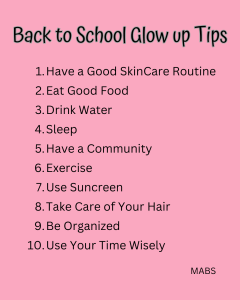
Skincare Routine for Glowing Skin

One of the most important aspects of any glow-up is your skincare routine. Many skincare products and treatments are aimed at enhancing skin glow by improving texture, hydration, and tone.

Glowing skin gives you that radiant, healthy look that will help you feel good inside and out. Whether you’re starting your first semester of high school or returning to university life, maintaining healthy skin is key.

Essential tips for achieving a glow up

Good Skincare Routine

For your glow-up, start with a basic skincare routine that you can stick to consistently

Wash your face twice daily with a gentle cleanser, exfoliate twice a week and moisturise.
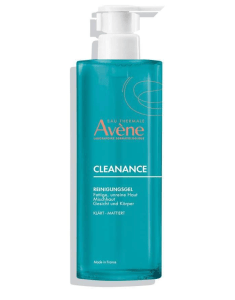
This face wash helped me clear my acne

Exfoliating removes dead skin cells and reveals the fresher skin underneath. Use an exfoliant two to three times a week to boost skin renewal.
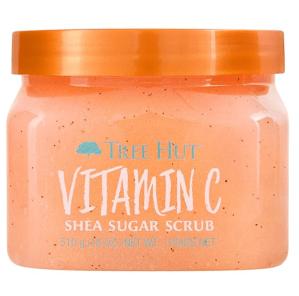
A vey good sugar scrub
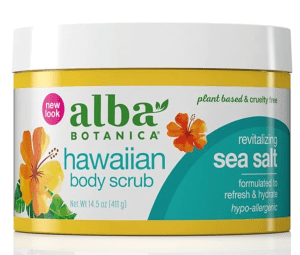
A great salt scrub

Eat good food

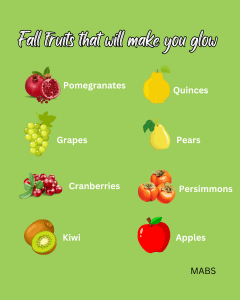
Eat foods rich in vitamins (especially A, C, E), minerals, and antioxidants, such as fruits, vegetables, and nuts. These foods nourish the skin from within.

Try to eat more citrus fruits, salads and drink fresh juices. Also don’t forget to drink enough water.
Sleep

Do you remember how you feel when you have 2-3 hours of sleep? Grumpy, angry and clumsy. Not getting enough sleep can also affect your skin.

Adequate rest promotes skin repair and regeneration. Getting adequate sleep allows the body to repair itself, reducing the appearance of dark circles and giving your skin a rested glow.

Exercise

Go to the gym often, go on long walks or skip. Physical activity boosts circulation, which helps deliver oxygen and nutrients to the skin, giving it a fresh, natural glow.

Use Sunscreen

Sunscreen is a most have of glowing skin. Since I started using sunscreen my skin condition has improved a lot. Shielding skin from UV damage helps maintain its health and glow. Never skip sunscreen. It protects your skin from UV damage and prevents premature aging.
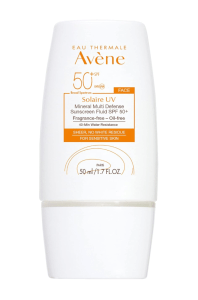
Sunscreen

Overnight Beauty Tips for Glowing Skin

Overnight skincare is the secret to waking up with fresh, glowing skin.

  • Use a hydrating overnight mask
  • Sleep on a clean, soft silk pillowcase
  • Wake up early so you have some time to yourself to look your best
  • Use a toner to balance your skin

Hair Care Routine for Your Glow Up

Your hair plays a big part in your glow-up journey. Having shiny, healthy hair will not only make you look great, but it will also boost your confidence.

The Essentials

  • Shampoo & conditioner (Once a week)
  • Hair Masks (Once a month)
  • Heat Protection (When you do hairstyles that require heat)

Haircut Transformation

A new haircut can make you feel like a whole new person. Start your glow-up by booking an appointment with your hairstylist. Consider a fresh style, adding layers, or trimming split ends to bring life back to your hair.

For black girls, go get new braids, style your hair differently, get hair supplies and new hair accessories. You can also try wigs for periods when you need you hair to take a break.

Don’t forget to get edge controllers and gels, for a smooth finish every time.

Hair and Makeup for School

For an easy school beauty prep, opt for low-maintenance hair and makeup routines. A simple, ponytail or a corn rows can look chic and effortless.

For makeup, a light touch of foundation, concealer, mascara, and lip gloss is enough to freshen up your face without too much effort.

Healthy Habits for a Glow-Up

Glowing up isn’t just about beauty; it’s about incorporating healthy habits into your daily life. To truly feel good, focus on maintaining a balanced lifestyle that will support your mental and physical well-being.

Drink More Water

Staying hydrated is crucial for both your skin and your overall health. Aim to drink at least eight glasses of water a day to keep your skin glowing and your body functioning at its best.

Stick to a Sleep Schedule

A proper sleep routine is essential for a successful glow-up. Try to get at least 7–9 hours of sleep every night.

To help with this, set a regular bedtime and create a relaxing night routine (like skincare or reading). Also, avoid using electronics an hour before bed.
School Glow-Up Tips

Plan your outfits. Choose outfits that make you feel confident and comfortable. Prepping your wardrobe in advance can save you from last-minute panic.

Wear what makes you feel good. Confidence comes from within, so choose clothes and accessories that reflect your personality.

Quick Beauty Hack

Keep a lip gloss, powder, and mascara in your bag for a quick refresh during the school day.

Semester Preparation for University Students

For university students, the spring or fall semester glow-up is all about balancing productivity, self-care, and managing a busy schedule.

Get Organized

Spend some time to refresh your digital workspace. Update your Notion or Google Calendar to reflect your upcoming semester.

Declutter your digital files, folders, and desktop.

Additionally, create a study schedule that helps you stay on top of assignments.

Mental Health Tips for Your Glow Up

University life can be stressful, so taking care of your mental health is just as important as your physical appearance.

Take Periodic Breaks

Don’t overwork yourself. Make time for breaks and relaxation to avoid burnout. What I found helped me prevent burnt out is working for 45 minutes and taking 15 minutes break. This is the 45/15 rule.

Practice Mindfulness

Meditation and prayer can help you focus and reduce stress. Read your bible, write down your worries and change them to prayer points.

Build a support system of friends, family, or even a counselor to check in on your mental health. Be comfortable sharing your worries with them.

Your Step-by-Step Plan to Glowing Up

Ready for the ultimate glow-up challenge?

Set Your Glow-Up Goals

  • Skincare routine, haircut, and outfit makeover.
  • Drink more water, exercise regularly, and eat healthier.
  • Focus on positivity, reduce stress, and practice gratitude.

Create a Daily Glow-Up Routine

  • Morning Routine– Start with a simple skincare routine, a balanced breakfast, and a positive mindset.
  • Night Routine– End your day with a relaxing self-care routine, a good book, or meditation to recharge for the next day.

Track Your Progress

Use a checklist or a digital app to track your daily glow-up goals – Notion templates are perfect for this.

Celebrate Your Achievements

Glow-ups are a personal journey, so don’t forget to celebrate the small wins. Whether it’s clearing up your skin, staying organized, or feeling more confident, acknowledge your hard work and keep pushing forward.

Conclusion

A glow-up isn’t just about a beauty makeover, and it’s not just about using the best skincare products. It’s about feeling your best inside and out.

Your skin is a reflection of your overall well-being, and factors like stress, poor diet, and lack of sleep can dull your complexion.

By focusing on your skincare, healthy habits, mental health, and personal goals, you can achieve the ultimate glow-up before school and carry that confidence with you throughout the year.

Did you find this helpful? Leave a comment below.

Your Ultimate Guide to Back Hyperextensions

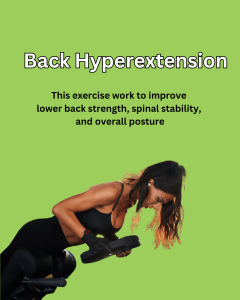
Back hyperextensions are a powerful exercise that target the posterior chain, especially the lower back, glutes, and hamstrings. Do you want to alleviate lower back discomfort? Or would you like to improve your posture? Back hyperextensions offer a myriad of benefits.

This post will discuss the various aspects of back hyperextensions, from proper techniques to equipment options, and how this exercise can contribute to injury prevention, posture improvement, core strength, and much more.

What Are Back Hyperextensions?

Back hyperextensions focus on the posterior chain, a group of muscles including the erector spinae, glutes, hamstrings, and other stabilizing muscles. These exercises work to improve lower back strength, spinal stability, and overall posture.

Contrary to the name, the back isn’t hyperextended in a dangerous way during this movement. Instead, you move into an extended position from neutral, which strengthens the muscles that help maintain proper spinal alignment.

Benefits of Back Hyperextensions

We need a strong core for almost every movement we perform. Back hyperextensions target the erector spinae, which are crucial for maintaining proper spinal posture and preventing injury. Stronger core muscles also contribute to enhanced sports performance and better movement efficiency.

If you are someone who sit a lot, you need this exercise. Sedentary behavior, often associated with sitting for long hours, can lead to poor posture. Back hyperextensions can correct this by strengthening the lower back, helping to realign your spine and improve posture over time.

Strengthening your lower back and posterior chain helps protect the spine and surrounding muscles from injury. Athletes and non-athletes alike benefit from a strong, balanced core and lower back, making hyperextensions an essential exercise for injury prevention.

Hyperextensions also improve muscle endurance in the lower back, hamstrings, and glutes. This is particularly beneficial for athletes and individuals who perform repetitive motions that require strong, resilient muscles.

People who participate in sports that demand lower back strength, like weightlifting, football, or even running, will find that back hyperextensions contribute to improved performance. Enhanced range of motion and better muscle activation directly translate to more power and stability during athletic movements.

Which Muscles Work During Back Hyperextensions

Erector Spinae

The erector spinae, a muscle group that runs along the length of your spine, is the primary muscle engaged during back hyperextensions. By strengthening this muscle, you improve spinal stability and posture, reducing the risk of injury during physical activity.

Hamstrings and Glutes

The hamstrings and glutes are key muscles that get activated as you lift your body back into a neutral position. These muscles are critical for lower back and hip movement, contributing to your overall posterior chain strength.

Hip Extensors

Hip extensors, including the glutes and hamstrings, play a vital role in the lifting phase of a hyperextension. If these muscles are underdeveloped or weak, lower back discomfort is common. Hyperextensions help activate and strengthen these muscles, leading to better core stability.

Different Types of Hyperextension Exercises

90-Degree Hyperextension Bench

The 90-degree hyperextension bench places your body in a fully horizontal position, maximizing resistance as you lift against gravity. This position engages the glutes, hamstrings, and lower back even more intensively than other variations. It’s ideal for individuals with intermediate to advanced core strength, as it demands more control and stability.

45-Degree Hyperextension Bench

A 45-degree bench is more forgiving for beginners. This position reduces the resistance slightly but still provides enough challenge to activate the posterior chain. It’s an excellent introduction to hyperextensions for those new to lower back exercises.

Reverse Hyperextension

In reverse hyperextensions, the movement is inverted, with the upper body staying stable and the legs moving instead. This variation works the glutes and lower back muscles while minimizing strain on the spine. It can be performed on a gym bench or a stability ball, making it accessible even for home workouts.

GHD Machine

The Glute Ham Developer (GHD) machine is another piece of equipment used for hyperextensions. It allows for an extended range of motion and engages the hamstrings and glutes more intensely. GHD hyperextensions are great for building strength in the posterior chain, especially for athletes needing explosive power in their lower body.

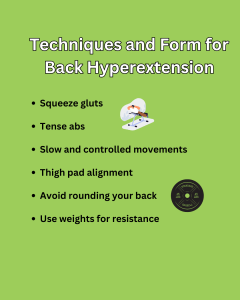
Techniques and Form for Hyperextensions

Proper technique is crucial for reaping the full benefits of hyperextensions and avoiding injury. 

Squeeze Glutes

As you lift your body back up, focus on squeezing your glutes. This activates the posterior chain muscles and helps alleviate lower back discomfort.

Tense Abs

Engage your core muscles throughout the movement. By tensing your abs, you reduce the strain on your lower back and maintain better form.

Slow and Controlled Movement

Avoid rushing through hyperextensions. A slow and controlled motion ensures proper engagement of the muscles and prevents injury. Focus on keeping your back straight as you move down and lift back up.

Thigh Pad Alignment

On a hyperextension bench, ensure the top of your hips aligns with the top of the thigh pad. Misalignment can cause discomfort and reduce the effectiveness of the exercise.

Avoid Rounding Your Back

It’s crucial to avoid rounding your back during the descent. Keep your back flat and hinge from the hips to protect your spine.

Weights for Resistance

As you progress, you can add resistance by holding a weight plate during the exercise. Start with a 5kg weight and gradually increase to 10kg or more as you become stronger. Adding weights enhances muscle endurance and strength in the posterior chain.

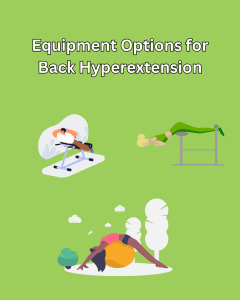
Equipment Options for Hyperextensions

Hyperextension benches are available for home use, allowing you to perform these exercises without needing to visit the gym. 

The Roman chair is another common piece of equipment for performing hyperextensions. It provides support for your lower body, making it easier to focus on your back and core muscles.

If you don’t have access to a hyperextension bench, a stability ball can be used as an alternative. This option requires more balance and engages the core muscles to stabilize the body during the movement. It’s a great choice for home workouts.

GHD Machine

For those seeking a more advanced challenge, the GHD machine offers a greater range of motion and resistance. This equipment is more commonly found in gyms but can be purchased for home use as well.

Common Mistakes to Avoid in Hyperextension Exercises

1. Going Too Fast

Speed is not the goal in hyperextensions. Performing the exercise too quickly reduces muscle engagement and increases the risk of injury. Focus on slow, controlled movements for optimal results.

2. Arching Past Straight

When lifting back up, avoid arching your back past a straight line. Going too far can strain your lower back and negate the benefits of the exercise. Aim to keep your torso in line with your thighs as you reach the top of the movement.

3. Rounding Your Back

Rounding your back during hyperextensions puts unnecessary strain on your spine. Always keep your back flat and hinge from the hips to maintain proper form.

Hyperextension Exercise Variations

To keep your workouts interesting and challenging, you can try various hyperextension exercise variations. These include:

  • Weighted Hyperextensions
  • Single-Leg Hyperextensions
  • Isometric Holds

Incorporating Hyperextensions Into Your Routine

Back hyperextensions can be incorporated into your workout routine 2-3 times a week. For beginners, start with bodyweight exercises and gradually add resistance as your strength improves. Advanced athletes can perform weighted hyperextensions to continue challenging their muscles.

Hyperextension Workouts for Different Goals

For Core Strength- Perform 3 sets of 12-15 reps of hyperextensions at the end of your workout to target the core muscles.

For Injury Prevention- Incorporate hyperextensions into your warm-up routine to activate the lower back and glutes, preparing your body for heavier lifts like squats and deadlifts.

For Muscle Endurance- Use higher reps (15-20) with lighter resistance to improve muscle endurance in the lower back and hamstrings.

Conclusion

Back hyperextensions are an effective and versatile exercise that provides numerous benefits, from improving core strength and posture to preventing injury. Whether you’re using a hyperextension bench, stability ball, or GHD machine, mastering this exercise can lead to a stronger, healthier body. Incorporate hyperextensions into your fitness routine and enjoy the lasting benefits for your posterior chain strength and overall physical performance.

Did you find this blog post interesting? Leave us a comment


The story of 2 Coffees, a fish and a stray cat

Write about your most epic baking or cooking fail.

It has been a hard fight in the kitchen, I wouldn’t lie. 6/10, I come up with something nice 😂

One time, I slept late, like 4 am, and woke up late in the afternoon. I was angry with myself for oversleeping but felt I deserved a coffee. So I made myself one, and guess what…it spilled 😩

I was trying to maintain a positive attitude, so I cleaned up after myself. I made a second cup of coffee successfully.

The twist is when I was trying to make myself a healthy breakfast. My fish also spilled on the floor 💔. At that point, I contemplated going back to bed 😄 but I had so much to do, so I continued with my day.

No food was wasted. I picked up the broken fish, picked the one I could for myself,  and shared the rest with a hungry stray cat.

😂😂😂

Have you had one of those days before?

The Glow Up You Didn’t Know You Needed: Fruits and Eggs

What are your favorite types of foods?

I am all about glowing up these days, mainly because the new school year is about to start. I have been eating more seasonal fruits and eggs.
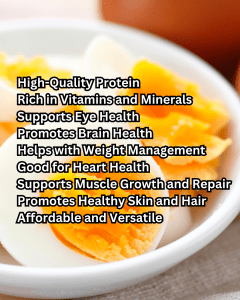
Guys, eat more eggs. I noticed that my acne and acne scars reduced when I started eating more eggs, and my nails are stronger

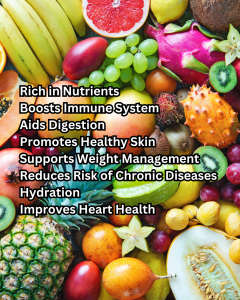
Eating fruits is good. It has a way of uplifting your spirit. I had less panic attacks when I started eating more fruits and veggies. 

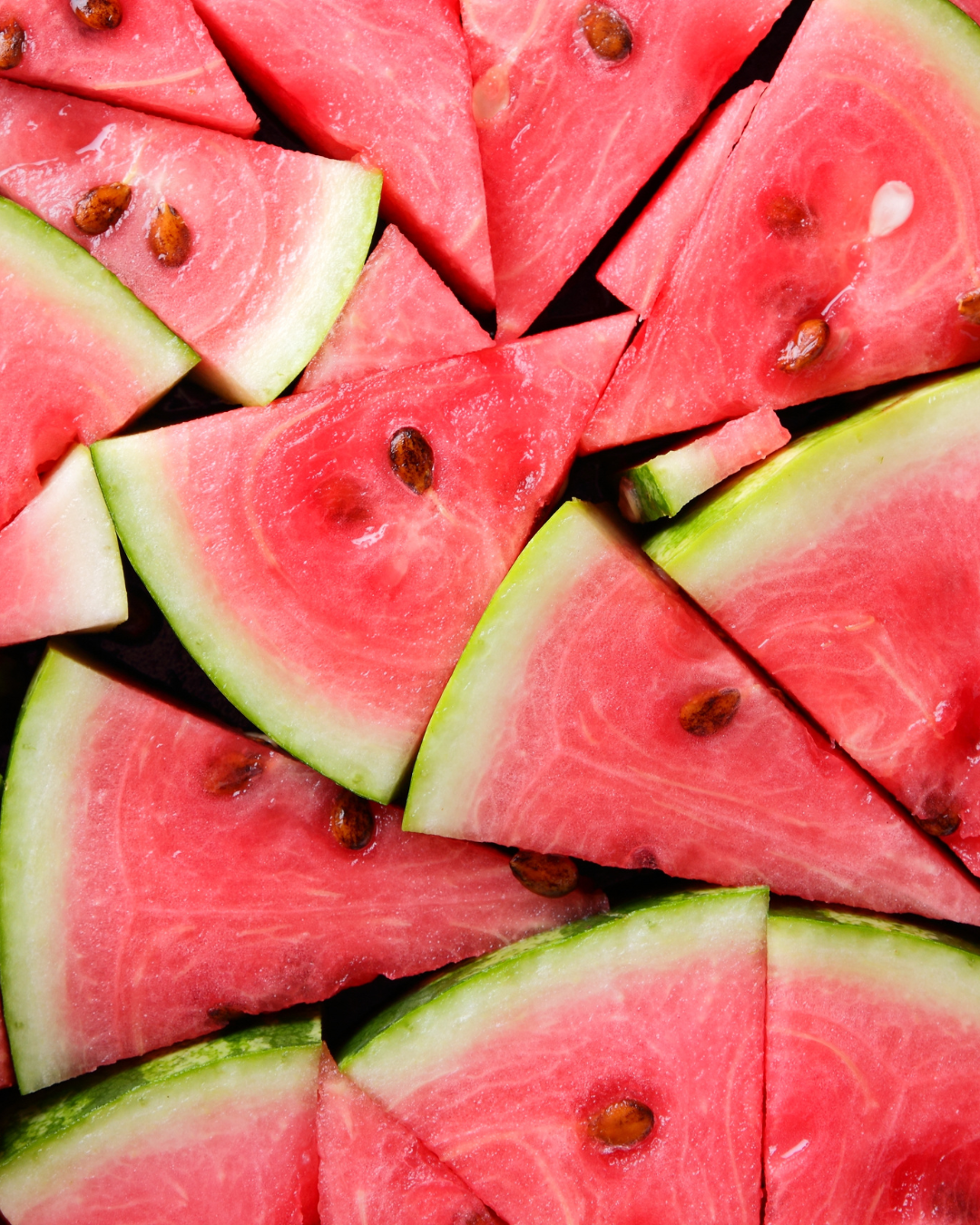
I am into eating watermelons, cantaloupes and eggs right now 😄


Best Ways to Get Glowing Skin in 10 Days

Achieving glowing skin is not just about the products you apply externally—what you eat, your habits, and your skincare routine all play a crucial role.

In this post, we’ll show you how to get glowing skin in 10 days by focusing on everything from food to scrubs and skincare techniques.

Tips for Glowing Skin

What you eat plays a pivotal role in the health of your skin. Seasonal fruits and veggies are rich in antioxidants and vitamins that fight free radicals, promote cell turnover, and brighten the complexion. Food supplements also offer great benefits.

To get the full benefit from food, eat a balanced diet of antioxidants, such as fruits (berries, citrus) and vegetables (spinach, kale).  Also consider incorporating omega-3 fatty acids (found in fish and flaxseeds) to support skin health.

Top 5 Best Seasonal Foods for Glowing Skin

These foods provide the nutrients, hydration, and antioxidants needed to maintain a radiant complexion.

  • Watermelon
  • Oranges
  • Broccoli
  • Carrots
  • Eggs

Avoid These Food If  You Want Glowing Skin

Stay away fro these foods because they can cause breakouts or promote inflammation

1. Avoid Dairy

Dairy products, especially milk, are known to cause acne flare-ups for some individuals. Try cutting out Dairy for ten days and observe the difference in your skin’s clarity.

Alternatives to Dairy

  • Almond milk
  • Oat milk
  • Soy milk

2. Avoid Sugar and Processed Foods

When you consume excess sugar, it binds to proteins in your body (like collagen) through a process called “glycation,” forming harmful molecules called advanced glycation end products (AGEs).

AGEs damage collagen and elastin, the proteins that keep your skin firm and glowing. Over time, this leads to a loss of elasticity, wrinkles, and a dull appearance.

In addition, consuming high amounts of refined sugars and carbohydrates increases insulin levels in your body. Insulin spikes can stimulate sebum production, the oily substance that can clog pores and lead to acne breakouts. Oily, acne-prone skin often appears less radiant due to clogged pores and blemishes.

Processed foods often lack essential nutrients like vitamins, antioxidants, and healthy fats necessary for maintaining a strong skin barrier.

A compromised skin barrier results in dryness, irritation, and a dull complexion as the skin struggles to retain moisture and protect itself from external irritants.

Processed foods often contain additives, artificial hormones, and unhealthy fats, which may further interfere with hormone regulation and cause skin inflammation and breakouts.

Many processed foods are high in sodium and low in water content, leading to dehydration. When your body is dehydrated, your skin loses moisture and becomes dry and dull, diminishing its natural glow. Hydrated skin appears plumper and more radiant, while dehydrated skin looks tired.

10 Best Skincare Techniques for Glowing Skin

Correctly cleansing your face can make a significant difference.

1. One-minute face wash technique

The one-minute face wash technique involves gently massaging your cleanser into the skin for 60 seconds, ensuring enough time to break down dirt, oil, and makeup.

Use a mild cleanser twice daily to remove dirt and excess oil. Also try to avoid harsh cleansers or over-washing, which can strip your skin of essential oils.

2. Scrub (exfoliate) Twice a Week

Exfoliation is essential for removing dead skin cells and promoting cell turnover. Gently exfoliate 2–3 times during the 10days to remove dead skin cells and reveal brighter skin underneath. Use a gentle chemical exfoliant with AHA (Alpha Hydroxy Acid) and BHA (Beta Hydroxy Acid) or a mild physical scrub. Both AHAs and BHAs are chemical exfoliants, meaning they exfoliate the skin by breaking down the bonds that hold dead skin cells together, allowing them to be easily removed.

This process is much gentler than physical exfoliation (scrubs), which can sometimes irritate or damage the skin. Investing in a good scrub, like a sea salt scrub with kojic acid, can work wonders for your skin’s brightness and texture.

AHA are water-soluble acids that work on the skin’s surface. They are best for normal to dry, sun-damaged, or aging skin. AHA help exfoliate the outer layer of the skin (epidermis), effectively improve skin texture, brightness, and hydration, and reduce signs of aging. Typical examples are lactic acid, glycolic acid, and mandelic acid. Look for these ingredients in your scrub or cleansers.

BHA are oil-soluble acids that can penetrate deeper into the pores. They are best for oily, acne-prone, or combination skin. BHA work inside the pores to clear out excess sebum (oil), dirt, and dead skin cells, making them ideal for treating acne and blackheads. A typical example is salicylic acid.

Tips on using scrubs

  • Scrub gently in circular motions
  • Focus on areas prone to dullness, like the forehead and cheeks.
  • Limit to twice a week to avoid over-exfoliation

3. Facial Masks and Serums

Face masks refine pores, improve texture, and hydrate the face.

Masks lock in moisture and mask constituents, creating a coating on the face. Use hydrating or brightening masks a few times in the ten days (e.g., a sheet mask or a clay mask, depending on your skin type).

Serums also lock in moisture.

They are usually used for skin nourishment, repair, and remedy conditions such as wrinkles and acne. They contain ingredients like vitamin C, niacinamide, or hyaluronic acid that can help boost skin glow.

4. Moisturize Immediately After Showering

Locking in moisture post-shower is essential for glowing skin. After stepping out of the shower, pat your skin dry and apply a quality moisturizer within 3 minutes to seal in hydration.

Use a moisturizer suited for your skin type to lock in hydration and maintain a smooth, soft appearance. Opt for moisturizers with hyaluronic acid or glycerin for extra hydration.

5. Keep Makeup Minimal and Classy

Less is more when it comes to makeup. While makeup can enhance your appearance, overuse can clog your pores and lead to breakouts.

Tips for Minimalist Makeup

  • Opt for lightweight foundations or BB creams.
  • Use neutral shades to give a classy yet natural look.
  • Always remove makeup thoroughly before bed to allow your skin to breathe.

6. Take Cold Showers for Skin Health

Cold showers not only boost your energy levels but also improve skin health. They help tighten pores, reduce puffiness, and boost circulation.

7. Invest in Quality Skincare Products

When it comes to skincare, quality over quantity is vital. One of the highly recommended brands is Avene. Though on the pricier side, their products last long and provide excellent results with minimal product usage.

8. Wear Sunscreen

Sunscreen helps prevent hyperpigmentation and skin damage. Even if you have a deeper skin tone and think your melanin offers protection, Sunscreen is non-negotiable because harmful UV rays can still damage your skin, leading to premature aging, dark spots, and possible skin cancer.

Recommended Sunscreens

Look for broad-spectrum protection with SPF 30 or higher.

9. Drink Lots of Water

Hydration is key.

Drinking plenty of water flushes out toxins from the body and keeps your skin plump and hydrated. Aim for at least 8-10 glasses of water daily to keep your skin glowing.

Another tip is to incorporate foods with high water content, like cucumbers, watermelon, and oranges, into your diet.

10. Make Time for Daily Bowel Movements

This may sound surprising, but regular bowel movements are essential for glowing skin. Pooping every day helps rid your body of toxins that could otherwise cause dullness and breakouts.

Bonus Tips

11. Get Enough Sleep

Aim for 7–9 hours of sleep each night as your skin repairs itself during this time. Poor sleep can cause dark circles, dullness, and inflammation.

12. Manage Stress

Stress increases your cortisol levels.

Cortisol, the primary stress hormone, can cause your skin to produce more oil by stimulating sebaceous (oil) glands. This excess oil can clog pores, leading to acne, breakouts, and a less radiant complexion. Stress can disrupt your body’s ability to retain moisture, leading to dry, dehydrated skin.

Dehydration often results in a dull complexion. Your skin’s ability to repair itself, the regeneration of skin cells, and collagen production are reduced by Stress. This can lead to premature aging, fine lines, and a rough texture.

Stress releases inflammatory chemicals that can lead to flare-ups of skin conditions like eczema, psoriasis, and rosacea. Inflammation can also result in redness and irritation, dulling your skin’s appearance.

Stress also weakens the skin’s barrier function, making it more vulnerable to external aggressors like pollution, UV rays, and bacteria.

A weakened barrier allows moisture to escape, further contributing to dryness and dullness. Free radicals are produced in the body due to stressful conditions.

You can manage Stress by combining physical, mental, and lifestyle strategies. These include practicing mindfulness, meditation, regular exercise, and a proper sleep routine.

The Ultimate 10-Day Diet Plan for Glowing Skin

This diet plan is fail proved. It will give you noticeable glowing skin in 10 days. This plan is an hidden secret that brides use to achieve glowing skin before their big day.

Day 1-3

Breakfast: Eggs, whole grain toast, and an orange

Lunch: Grilled chicken salad with spinach, cucumber, and avocado

Snack: A handful of almonds

Dinner: Grilled salmon, steamed broccoli, and quinoa

Drink: Watermelon smoothie for hydration

Day 4-7

Breakfast: Greek yogurt with mixed berries and chia seeds (Dairy-free option: almond yogurt) – Lunch: Lentil soup with carrots and celery

Snack: Apple slices with almond butter

Dinner: Stir-fried tofu with bell peppers and zucchini

Drink: Freshly squeezed orange juice day

Day 8-10

Breakfast: Smoothie with spinach, banana, and flaxseeds

Lunch: Quinoa salad with chickpeas, cucumbers, and tomatoes

Snack: Handful of walnuts

Dinner: Baked sweet potatoes with grilled chicken and green beans

Drink: Coconut water for extra hydration

10 Best Habits for Glowing Skin

  • Drink 2 liters of water daily
  • Get 7-9 hours of sleep
  • Avoid touching your face
  • Follow a strict skincare routine
  • Use a sea salt scrub
  • Exercise regularly
  • Limit sugar intake
  • Apply a face mask twice weekly
  • Avoid Stress
  • Eat a balanced diet

Get Glowing Skin Overnight

If you need a quick fix, here are some tips to give your skin an overnight glow:

  • Use a sheet mask
  • Sea Salt Scrub
  • Sleep with a humidifier
  • Apply a vitamin C serum

Conclusion

Glowing skin in 10 days is achievable with the proper habits, diet, and skincare routine.

Your result may depend on your starting point, skin type, and the consistency of your routine.

Focus on what goes inside your body and how it responds to it. Follow these proven tips to ensure your skin is radiant, healthy, and glowing in time for your big day. 

Did you find this post helpful? Leave a comment below

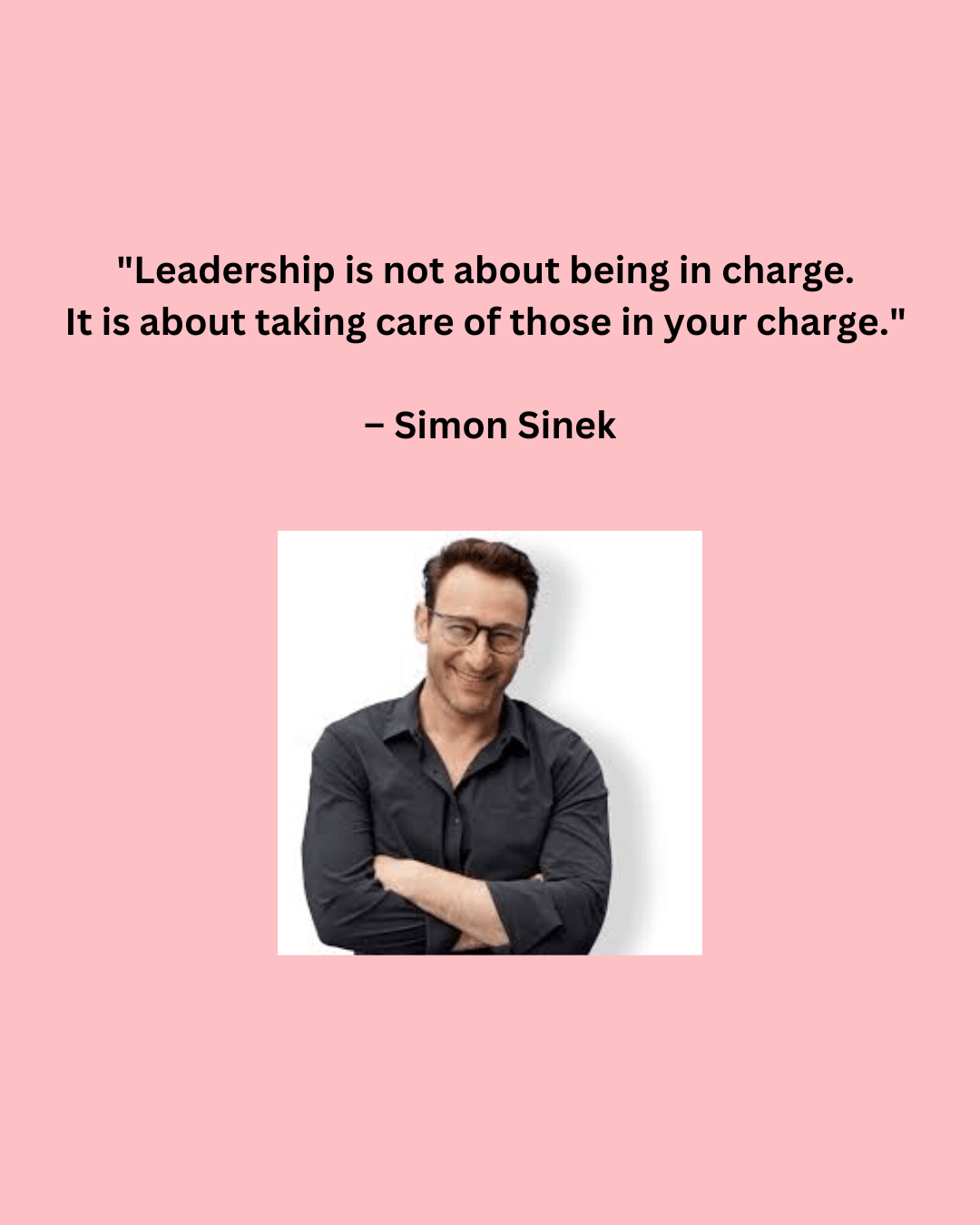
Are You Ready To Be a Leader?

Do you see yourself as a leader?

Yes.

I have always shied away from positions of leadership because I felt I wanted to be mentally and physically ready for it. I’ve been watching YouTube videos on leadership, trying to learn how to be a good leader. And I must say, a leader is a slave to the team. I am using the word slave here not to be negative but to show the importance of humility in leadership.

Anyone can be a leader, but what’s even better is positively impacting the organization and the team. 

Painpoints of leadership

  • Managing conflicting team dynamics
  • Maintaining consistent communication
  • Delegating tasks effectively
  • Handling team burnout and motivation
  • Balancing short-term and long-term goals
  • Dealing with difficult team members
  • Managing time and prioritization
  • Navigating change and uncertainty
  • Making tough decisions under pressure
  • Aligning individual goals with organizational objectives

Being a leader is so much different from being simply good at your daily task. It is about managing God’s best creation, people.

If you want to know how to manage people, you must know how to manage yourself first. Manage your insecurities, anger, weakness and your time. 

10 tips to be a good leader

  • Communicate clearly and effectively.
  • Lead by example and model the behavior you expect.
  • Foster trust and transparency within the team.
  • Be open to feedback and continuously improve.
  • Empower and delegate to your team members.
  • Show empathy and understand individual needs.
  • Stay adaptable and embrace change.
  • Make decisions confidently and decisively.
  • Recognize and celebrate team achievements.
  • Invest in personal growth and learning.

Do I see myself as a leader? Yes and I am committed to personal growth and learning. My biggest strength as a leader is empathy. I have genuine love for God’s perfect creations and I want to leave a positive impact on my team and organisations I work with.  

Finding Hope and Healing Through Faith

Addressing suicide is a susceptible topic that requires a compassionate and comprehensive approach. Among the various methods of support, spirituality can be compelling. Faith offers comfort, hope, and a sense of purpose for many, especially during deep despair.

This blog explores how integrating spiritual practices and beliefs can play a crucial role in suicide prevention. You can find solace and strength through faith.

How Faith Can Help Fight Depression

Faith can be a beacon of hope and strength for those facing overwhelming challenges. When struggling with suicidal thoughts, feelings of isolation and lack of purpose can become overwhelming.

Whether through religious beliefs or spiritual practices, faith offers connection and support beyond immediate struggles. It reminds individuals they are part of something greater, that their lives have value and meaning, and that help is available, even if it’s not immediately visible.

For many, faith provides a framework to understand and cope with suffering. It offers comfort through belief in a compassionate and caring higher power, providing solace when hope feels lost. Faith encourages resilience, reminding individuals they are not alone and that their struggles can be overcome with support and divine assistance.

Encouragement Through Scripture

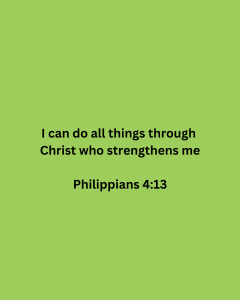
Many religious traditions have sacred texts filled with messages of hope and reassurance. For instance, in Christianity, Bible verses like Philippians 4:13, “I can do all things through Christ who strengthens me,” remind individuals of the strength available through faith. Similarly, Psalm 34:18 offers comfort: “The Lord is close to the brokenhearted and saves those who are crushed in spirit.”

These passages provide divine support, helping individuals feel less isolated. Reflecting on such teachings can offer comfort by reinforcing the belief that there is a more excellent plan and that a higher power sees and understands their pain.

These teachings can foster a more profound sense of peace and hope, even amid significant challenges.

Spiritual Practices for Mental Wellness

1. Prayer and Meditation

Prayer and meditation are accessible spiritual practices that can provide comfort. Through prayer, individuals can express their fears, hopes, and needs directly to their faith, finding peace, understanding, and the strength to navigate difficult times. Many find reassurance in knowing they communicate with a divine presence caring about their well-being.

Meditation on spiritual teachings or sacred texts can offer calm and clarity, reducing stress and anxiety. Focusing on uplifting thoughts or reflecting on spiritual principles can also renew an individual’s sense of purpose and hope. Both practices can be incorporated into daily routines, offering ongoing support during emotional distress.

Scriptures such as Isaiah 41:10 and Matthew 11:28 can be powerful reminders of the divine strength available.

2. Community Support

A vital component of spiritual wellness is the support found within faith communities. Engaging with a faith community offers emotional and practical help. Whether through attending services, participating in group activities, or simply being part of a social network, individuals benefit from understanding others who share their beliefs.

Faith communities reduce feelings of isolation, offering platforms for sharing struggles and receiving support. Leaders and members are crucial in providing spiritual insights, counseling, and a listening ear.

Faith-based support groups offer safe spaces for individuals to discuss challenges, share experiences, and receive encouragement from others with similar spiritual perspectives.

Incorporating prayer, meditation, and community support can significantly enhance mental well-being and provide the strength needed to navigate difficult times.

Encouraging Open Conversations About Mental Health

Openly discussing mental health within spiritual communities is one of the most impactful ways to prevent suicide. Fear of stigma or judgment often makes these conversations difficult. Faith communities can help reduce stigma and offer vital support by creating environments where mental health is openly addressed.

Faith leaders and members can foster open discussions about mental health through workshops, personal stories, and active listening. Doing so creates a culture of acceptance and understanding, encouraging individuals to seek help without fear of judgment.

Faith communities that address mental health compassionately promote a supportive environment where individuals feel valued, understood, and supported on their journey toward healing.

Free Coloring page

I made a coloring book to help you boost your faith while you manage your mental health.

Finding Meaning and Purpose Through Faith

Faith can give individuals a sense of purpose and meaning in life’s challenges. Many spiritual traditions teach that struggles are part of a larger plan, helping individuals find meaning in even the darkest moments. This perspective can turn adversity into an opportunity for growth and deeper understanding.

By viewing challenges through faith, individuals can build resilience, instilling hope and a sense of inner strength. Faith-based teachings often emphasize divine strength, reassuring that there is a greater purpose, even in times of difficulty.

Integrating Faith with Therapy

Spiritual support can provide significant comfort but is often most effective when combined with professional mental health care. Integrating faith with therapy offers a holistic approach to managing mental health challenges. Therapists can address mental health issues using evidence-based methods, while spiritual beliefs provide emotional and spiritual resilience.

It’s essential for individuals seeking help to find therapists who respect and incorporate their spiritual beliefs into treatment, providing a comprehensive approach to healing.

Knowing When to Reach Out

Recognizing the need for professional help is critical. While spiritual support is powerful, it may not fully address all mental health challenges. If someone is experiencing severe distress or suicidal thoughts, professional intervention is necessary.

Combining spiritual support with professional care offers a well-rounded support system. In urgent situations, such as when someone is at immediate risk of self-harm, it’s essential to contact crisis helplines or emergency services.

Conclusion

Addressing suicide and mental health challenges requires a compassionate, multifaceted approach, with spiritual support playing a crucial role. Faith offers profound comfort, hope, and a sense of purpose, helping individuals navigate their darkest times with resilience.

By integrating faith with professional mental health care, individuals receive comprehensive care to ensure their well-being. If you or someone you know is struggling, don’t hesitate to seek support from faith leaders and mental health professionals.

Together, we can create a supportive environment where individuals feel valued and empowered to seek help.

Did you find this article helpful? Leave a comment below. Here is a free coloring page for you to try.


Another free coloring page

Effective Strategies for Suicide Prevention

Suicide is a tragic and complex act where an individual intentionally ends their own life, often as a result of overwhelming emotional pain or mental health challenges. This pain might stem from depression, anxiety, trauma, chronic illness, or life circumstances that feel unbearable.

In many cases, those contemplating suicide are experiencing such deep distress that they feel there is no other way to escape it. Preventing suicide involves fostering a supportive environment where individuals feel safe, understood, and valued, coupled with access to mental health care and emotional support.

There are numerous reasons why someone might contemplate suicide, often involving a combination of psychological, emotional, and social factors.

Mental health conditions like depression, anxiety, bipolar disorder, and schizophrenia are significant contributors, as they can lead to feelings of hopelessness and despair.

What Makes a Person Think About Suicide

Emotional pain, such as feeling worthless or lonely, can become overwhelming, while trauma or abuse—whether physical, emotional, or sexual—can also be a powerful trigger if left unresolved. Additionally, chronic physical illnesses or unmanageable pain can cause individuals to seek an escape from their suffering.

Life stressors such as financial problems, relationship breakdowns, or the death of a loved one can push someone to the brink, especially if they feel unable to cope. Substance abuse can further complicate matters, often impairing judgment and amplifying mental health issues.

Feelings of isolation, combined with a lack of coping skills, can also heighten the risk of suicide, as can existential crises where individuals grapple with a sense of meaning or purpose in life.

Warning Signs of Someone Considering Suicide

Recognizing the warning signs of someone who may be considering suicide is critical for timely intervention. Emotionally, this may present as persistent sadness, withdrawal from social activities, or noticeable changes in sleep and appetite. You may also notice increased irritability, anger, or a lack of motivation and energy.

Verbally, someone may express feelings of hopelessness, talk about being a burden, or even directly mention thoughts of suicide or self-harm.

Behaviorally, risky actions, like substance abuse or giving away possessions, can signal preparation for suicide. Additionally, neglecting personal hygiene or frequently complaining about physical ailments without a clear medical cause could indicate emotional distress.

If you observe these signs, acting compassionately and without judgment is essential. Reach out to the individual, express your concern, and offer emotional support. Encourage them to seek professional help from a mental health counselor, therapist, or doctor.

Sometimes, simply listening can make a world of difference. If someone is in immediate danger or has a specific plan to harm themselves, emergency intervention is critical. Contact crisis hotlines, mental health professionals, or emergency services to ensure they get the support they need.

Why Is the Topic of Suicide Prevention Important

Talking about suicide prevention is crucial for many reasons. Firstly, it helps break the stigma surrounding mental health issues, making it easier for individuals to seek help without fear of judgment. Open discussions also raise awareness about the signs and symptoms of mental distress, helping people recognize when someone may be at risk.

Additionally, these conversations can highlight resources such as counseling services, hotlines, and support groups, which can assist those in need. By discussing suicide prevention, we can also educate people on coping strategies for managing stress and emotional pain, equipping them with the tools they need to navigate life’s challenges. This education extends beyond individuals, empowering family members, friends, and community members to offer practical support.

Furthermore, early intervention is critical in suicide prevention. Talking about the topic openly encourages people to seek help earlier, leading to better mental health outcomes and potentially saving lives.

It also supports survivors of suicide loss, providing them with comfort and an avenue for healing. Advocacy driven by open discussions can lead to changes in mental health policy and the availability of services, ensuring better support systems for those in need.

Crisis helplines are an invaluable resource for anyone experiencing distress or thoughts of suicide. These services provide immediate, confidential support, 24 hours a day, from trained counselors and crisis responders. For example, in the United States, the 988 Suicide & Crisis Lifeline offers round-the-clock support via phone or text.

In contrast, the Crisis Text Line (text “HELLO” to 741741) provides confidential crisis intervention through messaging. Internationally, Lifeline Australia (13 11 14) and the Samaritans (116 123 in the UK) are also excellent resources, ensuring that no matter where someone is, help is always available.

Reducing suicide risk requires a multi-faceted approach. One of the most important strategies is raising awareness about mental health and reducing the stigma associated with seeking help.

Public education campaigns, alongside supportive environments in homes and workplaces, can encourage individuals to speak openly about their struggles. Making mental health care more accessible is also crucial—expanding resources and integrating mental health services into primary care can make it easier for people to seek help.

Additionally, fostering solid social connections and creating safe spaces for individuals to share their feelings can provide the emotional support they need. Early identification and intervention are essential. Recognizing the warning signs and offering support can prevent a crisis from escalating. In immediate danger, crisis helplines and emergency services provide vital assistance.

Safety planning, such as developing coping strategies and removing access to means of suicide, can reduce risks for individuals at high risk. Another critical step is supporting at-risk populations through targeted interventions, community programs, and peer support groups.

Lastly, follow-up care is essential for individuals who have received treatment for mental health issues, ensuring they continue to receive support and reduce the risk of relapse.

Conclusion

Suicide is a complex issue influenced by a range of emotional, psychological, and social factors. Those struggling with suicidal thoughts often feel trapped and alone, but it is vital to approach them with empathy and understanding. By fostering a culture of openness, supporting mental health care access, and providing education on suicide prevention, we can make a real difference in reducing suicide risks and saving lives.

If you or someone you know is struggling, don’t hesitate to reach out—help is available, and no one should face these challenges alone.

Did you find this article helpful? Leave a comment below