Type 2 diabetes is a growing health concern worldwide, but the good news is that it can often be prevented or delayed through lifestyle changes. Diet plays a critical role in managing blood sugar levels and maintaining overall health. If you’re at risk for type 2 diabetes, adopting healthy eating habits can make a significant difference.
This article provides 10 practical dietary tips to help regulate blood sugar, improve metabolism, and lower the risk of developing diabetes. We’ll also explore healthier alternatives to common foods and habits that could be increasing your risk.
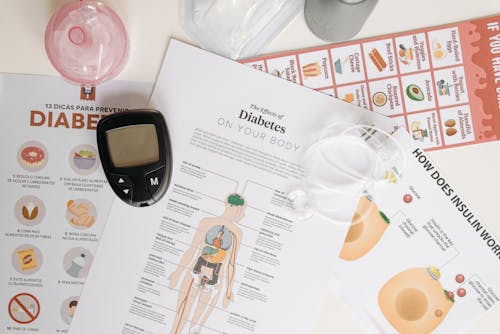
Close-up of diabetes management tools and informational documents on a table.
1. Choose Drinks Without Sugar
One of the easiest ways to cut down on excess sugar is by changing what you drink. Sugary drinks like soda, energy drinks, and sweetened teas can cause rapid blood sugar spikes and increase insulin resistance.
Healthier Alternatives:
Water: The best choice for hydration with zero calories or sugar.
Herbal teas: Naturally free from sugar and available in a variety of flavors.
Sparkling water with a splash of lemon or lime: A great substitute for soda.
Infused water: Add slices of cucumber, berries, or mint for a refreshing drink.
2. Drink Tea and Coffee Without Added Sugar
While tea and coffee can have health benefits, adding sugar, syrups, or flavored creamers can turn them into sugar-laden drinks. Instead, try these alternatives:
Use cinnamon or vanilla extract for natural sweetness.
Try unsweetened almond or coconut milk instead of sugary creamers.
Choose black coffee or green tea, which contain antioxidants beneficial for blood sugar control.
3. Skip Fruit Juices and Smoothies
Although fruit is healthy, fruit juices and store-bought smoothies often remove the fiber and concentrate the sugar content. This can cause a rapid rise in blood sugar levels.
According to research, Drinking 100% fruit juice is not linked to a higher risk of diabetes, but it may not be the best option for individuals already managing the condition
Blend homemade smoothies with high-fiber ingredients like spinach, flaxseeds, and unsweetened yogurt.
Dilute fruit juices with water to reduce sugar intake.
4. Choose High-Fiber Carbs
Fiber helps slow down digestion, keeping blood sugar levels stable. According to CDC, diabetics should opt for complex carbs that are high in fiber, rather than low-fiber refined carbs.
High-Fiber Carbs (Good Choices):
Whole grains: Brown rice, quinoa, whole wheat bread, oats.
Fish: Salmon, sardines, and mackerel are rich in omega-3 fatty acids.
Plant-based proteins: Lentils, beans, tofu, and unsalted nuts.
Eggs: A great source of protein with minimal impact on blood sugar.
6. Eat Plenty of Fruits and Vegetables
Refreshing green smoothie made with apple, cucumber, and lettuce
Fruits and vegetables are essential for a balanced diet, but not all fruits are equal when it comes to blood sugar control.
Best Fruits for Diabetes Prevention:
The best fruit according to American Diabetes Association fruits that are fresh, frozen, or canned without added sugars. When selecting canned fruit, look for labels such as ‘packed in its own juices,’ ‘unsweetened,’ or ‘no added sugar.’ While dried fruit and 100% fruit juice can also be nutritious options, their smaller portion sizes may make them less satisfying compared to whole fruits.
Berries: Blueberries, raspberries, strawberries (high in fiber, low glycemic index).
Citrus fruits: Oranges, lemons, grapefruits.
Apples and pears: High in fiber when eaten with the skin.
Furthermore, avoid juicing fruits, as it removes fiber and spikes blood sugar levels.
7. Choose Unsweetened Yogurt and Cheese
Many yogurts contain hidden sugars, especially flavored varieties. Instead:
Choose plain Greek yogurt and add fresh fruit for flavor.
Opt for cheese varieties with lower saturated fat, such as cottage cheese or mozzarella.
8. Don’t Drink Too Much Alcohol
Excess alcohol can contribute to weight gain and blood sugar imbalances. Researchers have found an association between moderate alcohol intake with a reduced risk of diabetes. To reduce alcohol intake:
Choose lower-alcohol options, like wine spritzers.
9. Choose Healthy Snacks
Snacking is a great way to keep energy levels steady, but unhealthy choices can lead to blood sugar spikes. Instead, opt for healthy snacks, check a full list of healthy snacks by MedicalNewsToday
Healthy Snacks for Blood Sugar Control:
Nuts and seeds: Almonds, walnuts, chia seeds.
Avocados
Turkey slices
Hummus with veggie sticks.
Hard-boiled eggs.
Greek yogurt with berries.
10. Choose Healthier Fats
Did you know fats can be part of a healthy diet, According to the American Heart Association, not all fats are bad. Avoid unhealthy trans fats and opt for healthier options instead.
Bonus Tip: Get Vitamins from Food, Not Supplements
Whole foods provide a natural balance of nutrients without synthetic additives. Prioritize:
Leafy greens: High in vitamin C and magnesium.
Nuts: Provide healthy fats and vitamin E.
Dairy: A good source of calcium and vitamin D.
Conclusion
Preventing type 2 diabetes starts with small, sustainable dietary changes. By following these 10 tips, you can make healthier food choices that help maintain stable blood sugar levels and promote long-term health.
Did you find this article helpful? Leave a comment below
Clean water is safe for drinking, cooking, bathing, and other everyday uses. Access to clean water is essential for life. Without it, we cannot survive, stay healthy, or maintain basic hygiene.
I am fortunate enough to live in a building with clean water, but sadly, this is not a reality for some Africans. Many people buy water from dirty sources, which leads to infections like typhoid and cholera.
Water is essential for human health, sanitation, and economic development. It is at the core of sustainable development and plays a key role in reducing poverty, promoting health, and ensuring environmental sustainability.
Access to clean water remains a significant global challenge. About 2.2 billion people globally lack access to safely managed drinking water services. 4.2 billion people lack safely managed sanitation services, directly impacting water quality and putting people at risk of severe health issues.
Waterborne diseases, predominantly affecting children, are reported to result in over 1.5 million deaths each year. This blog post outlines the significance of clean water while offering insights into the challenges and actionable solutions.
How to identify clean water
Clean water should be clear, odorless, and free from particles. However, some harmful substances are invisible, so testing water with a certified kit or relying on treated sources is crucial. Even if water looks clean, it might still contain harmful bacteria or chemicals that can cause health problems. Clean water is not just about having enough water; it is about ensuring it is safe and accessible everywhere.
Importance of Clean Water
Clean water is free from harmful contaminants such as pathogens, chemicals, heavy metals, and waste products. Access to clean water reduces the incidence of waterborne diseases like cholera, dysentery, and typhoid.
Sanitation and Hygiene
Clean water is vital for maintaining hygiene. It allows people to wash hands, clean food, and maintain sanitary conditions, which iscrucial in preventing infections.
Economic Impact
Clean water supports agriculture, industry, and energy production. Water scarcity or pollution can lead to economic downturns in affected regions.
Ecosystems
Healthy aquatic ecosystems rely on clean water. Pollution and contamination can disrupt ecosystems, harm wildlife, and reduce biodiversity.
Waterborne Diseases
Waterborne diseases are illnesses caused by microorganisms transmitted through contaminated water. Drinking or coming into contact with water polluted with harmful pathogens like bacteria, viruses, and parasites can cause diseases. These diseases are a significant public health issue, particularly in regions with limited clean water, proper sanitation, and hygiene practices. They can affect anyone but are especially dangerous for children, the elderly, and people with weakened immune systems.
Some common waterborne diseases include:
Cholera
Typhoid Fever
Dysentery
Hepatitis A
Hepatitis E
Giardiasis
How Do Waterborne Diseases Spread?
Waterborne diseases spread when people consume or come into contact with water contaminated by human or animal feces. This contamination can occur in various ways:
Poor sanitation
Waste can mix with drinking water sources in areas where sewage systems are lacking or inadequate.
In many developing countries, people are forced to defecate in the open due to the lack of toilets, leading to the contamination of nearby water bodies.
Polluted water sources
Rivers, lakes, and wells can become polluted by agricultural runoff, industrial waste, or untreated sewage.
In places without proper water treatment facilities, people rely on untreated water from wells, streams, or rivers, which can harbor dangerous pathogens.
How To Prevent Waterborne Diseases
Preventing waterborne diseases requires clean water, proper sanitation, and good hygiene practices.
Access to clean water
Improved sanitation
Hygiene education
Household water treatment.
Vaccination
How To Purify Water?
Getting clean water involves removing contaminants and making it safe to drink. Different methods are used to clean water depending on the location and resources available. Here are five common ways to clean water and ensure it is safe:
Boiling
Boiling water is one of the simplest and most effective ways to make it safe. Harmful bacteria, viruses, and parasites are killed by heating water to a rolling boil for at least one minute. This method is often used in emergencies or where other treatments are not available.
Filtration
Water filters commonly remove impurities like dirt, sand, and harmful organisms. Filters can range from simple household devices to complex systems purifying large water volumes. Some advanced filters even remove heavy metals and chemicals.
Chlorination
Chlorine is added to water to kill bacteria and viruses. It’s a standard method used in municipal water treatment plants. Chlorination is also used in many developing countries because it’s affordable and effective. However, it must be carefully managed to avoid adding too much chlorine, which can be harmful.
UV light treatment
Ultraviolet (UV) light disinfects water by inactivating harmful microorganisms. This method is becoming popular in both developed and developing regions because it’s effective and doesn’t add chemicals to the water. Portable UV devices are also available for individual use during travel or camping.
Reverse osmosis
This method pushes water through a special membrane that blocks contaminants, including salt, bacteria, and heavy metals. Reverse osmosis is commonly used in desalination plants to turn seawater into drinkable water. It’s also used in homes for extra purification, especially in areas with poor water quality.
Benefits of Drinking Clean Water
Drinking clean water is essential for overall health and well-being. Ensuring consistent intake of clean water is one of the simplest yet most effective ways to enhance health and prevent disease.
Boosts Physical Performance and brain function
Proper hydration contributes to optimal physical performance. Insufficient hydration can impact concentration, alertness, and short-term memory, and it may also increase the frequency of headaches.
Helps in Digestion and Detoxification
Water aids digestion by dissolving fats and soluble fiber, allowing these substances to pass through more easily. Additionally, water helps flush out waste products from the body, aiding in liver and kidney function and preventing constipation.
Improves Skin Health
Proper hydration can help keep your skin hydrated and may contribute to a healthy glow and elasticity. It can also help reduce the signs of aging.
Facilitates Nutrient Absorption
Water is essential for dissolving nutrients and minerals and making them accessible to the body. It also helps transport these nutrients to different organs.
Prevents Overall Dehydration
Chronic dehydration can lead to more severe health issues such as kidney stones, hypertension, and impaired cognitive function.
Conclusion
Clean water is a basic human right and crucial for life, health, and the environment. Although there are many challenges, from pollution to climate change, we can make a difference by being mindful of our water usage and supporting efforts to provide clean water and sanitation to everyone.
Ensuring that everyone has access to clean, safe, and affordable water is not only a matter of health but also of fairness, dignity, and justice. Together, we can help create a world where everyone can access safe and clean water.
Did you find this article interesting? Give us a like and share with your friends.
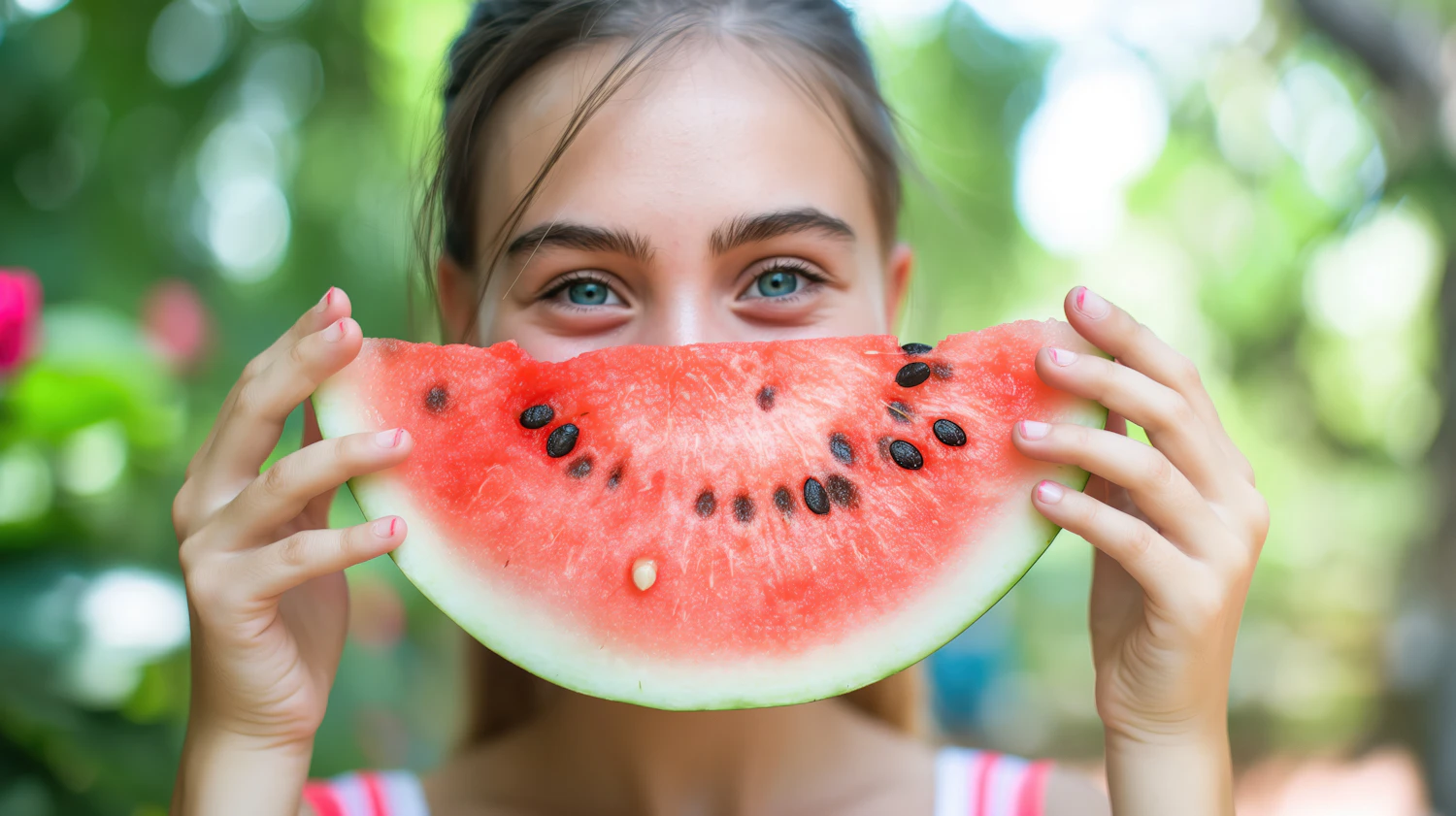
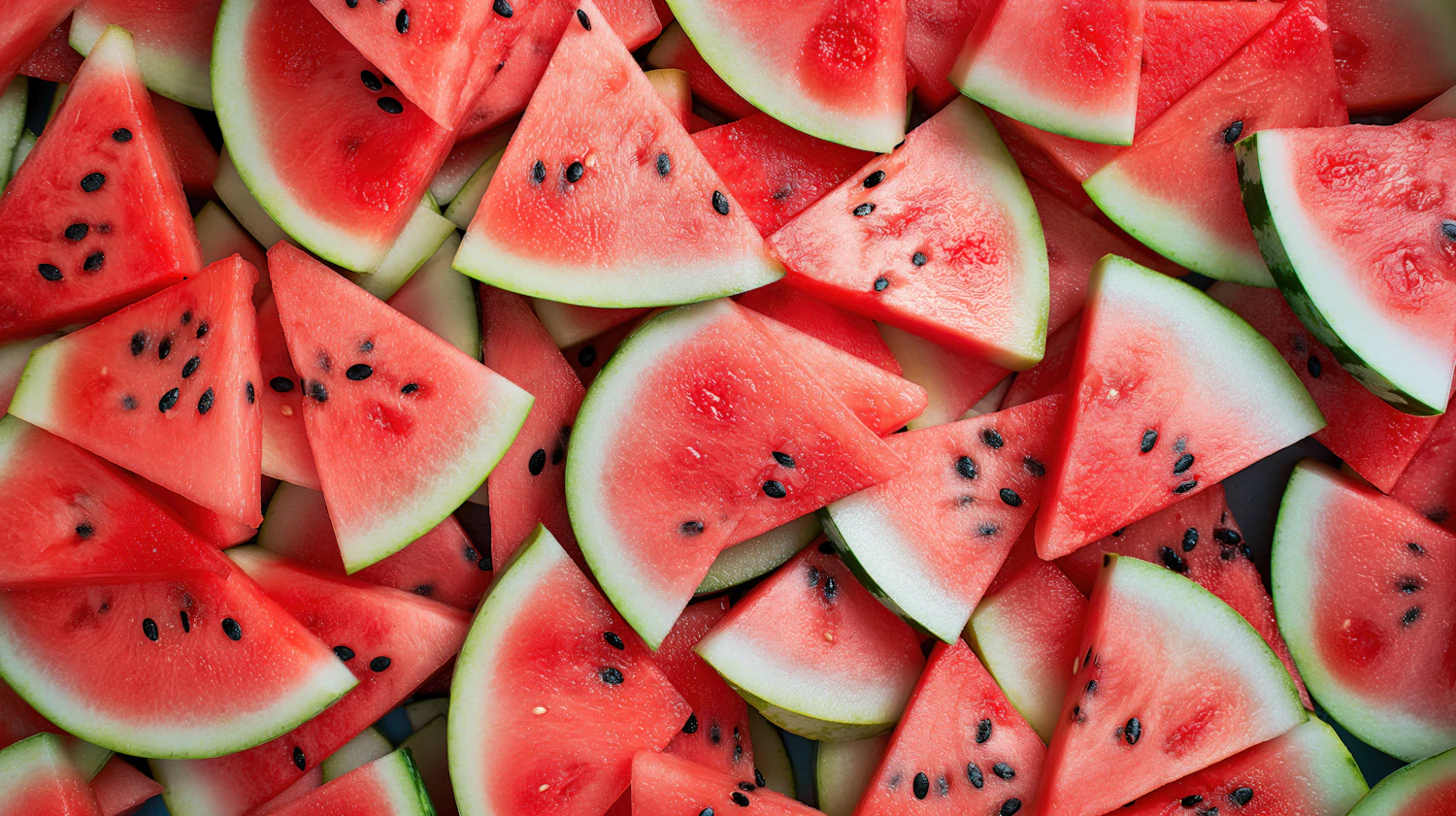
Watermelon is more than just a tasty summer snack; it’s a skincare gem. It’s full of nutrients that can make your skin glow. With its hydrating and antioxidant-rich qualities, watermelon is a natural way to get healthy, glowing skin.
Watermelon is nature’s juicy skin revitalizer
Watermelon is the perfect summer fruit for skin health and rejuvenation. It’s full of nutrients and properties that help revitalize the skin. This makes it look healthy and glowing.
Packed with Nutrients for Radiant Skin
Watermelon is a powerhouse of vitamins and minerals essential for skin health. It’s loaded with vitamin C, which boosts collagen production, keeping the skin firm and young. It also has vitamin A, an antioxidant that fights fine lines and wrinkles. Plus, it’s a great source of vitamin B6, crucial for cell regeneration and repair.
A Refreshing Treat for Sun-Kissed Skin
In summer, our skin faces the sun’s harsh rays. Watermelon is a refreshing, hydrating treat. Its high water content soothes and hydrates sun-exposed skin, preventing dryness and irritation.
Enjoying watermelon on a hot day nourishes your skin from the inside out.
Nutrient
Benefit for Skin
Vit C
Boosts collagen production for firmer, more youthful skin
Vit A
Reduces the appearance of fine lines and wrinkles
Vit B6
Promotes cell regeneration and skin repair
Hydrating Properties of Watermelon For Glowing Skin
Hydration is key for a radiant, glowing complexion. Watermelon is a true skin-quenching superstar. It has a high water content that deeply hydrates and nourishes the skin. This makes it plump, supple, and glowing.
Adding watermelon to your summer skincare routine can give you a dewy, luminous complexion that shines with natural beauty.
Watermelon Skin Benefits
How it Helps
Hydrates
The high water content in watermelon deeply nourishes and replenishes the skin, keeping it plump, supple, and glowing.
Boosts Skin Barrier
Watermelon is rich in vitamins and minerals that strengthen the skin’s natural protective barrier.
Improves Skin Tone
The antioxidants and nutrients in watermelon work to even out skin tone and texture for a more radiant complexion.
Anannceemedia (Lummi)
Watermelon’s Rich Antioxidant Profile
Antioxidant
Function
Vit A
Promotes cell turnover and collagen production, improving skin elasticity and reducing the signs of aging.
Vit B6
Supports the skin’s natural defense system, protecting against environmental damage and free radical-induced aging.
Watermelon’s high water content makes it a great natural moisturizer. It keeps your skin hydrated and plump.
Watermelon is full of amino acids, which are key for skin health and making collagen. This boosts skin elasticity, reducing fine lines and wrinkles.
Hydrates and plumps the skin
Provides antioxidant protection against free radicals
Promotes collagen production for improved skin elasticity
Brightens and evens out skin tone
Soothes and calms irritated skin
DIY Watermelon Face Masks for Rejuvenation
Revitalize your skin with homemade watermelon face masks. Making your watermelon face mask is easy and fun. It’s like having a spa at home. Here are some simple recipes for different skin issues:
For a deep cleanse, blend watermelon, honey, and kaolin clay. Watermelon’s antioxidants and clay’s purifying properties refresh and purify your skin.
Mix watermelon, yogurt, and a few drops of vitamin E oil to combat dryness. The hydrating powers of watermelon and yogurt and vitamin E’s nourishing fats quench dry skin.
Create a mask with watermelon, lemon juice, and a touch of honey for a brightening boost. Lemon’s natural acids and watermelon’s antioxidants reveal a radiant, even-toned complexion.
Watermelon Juice Is A Refreshing Skin Toner
The water in watermelon cleanses and tones your skin. The antioxidants in it help shrink pores and balance your skin’s pH.
Using watermelon juice as a toner makes your skin feel clean, moist, and glowing.
Watermelon juice is gentle and safe for all skin types, even sensitive skin.
The natural acids in watermelon smooth out the skin, making it look even.
With vitamins A, C, and B6, watermelon juice feeds and brightens your skin, giving it a healthy glow.
Watermelon seeds are also provides great value for skin health.
Watermelon Seed Oil For Soft Skin
Watermelon seed oil is a hidden gem in skincare. It offers many benefits for soft, supple skin. This oil comes from the seeds of watermelon and is full of fatty acids, vitamins, and antioxidants.
Adding watermelon seed oil to your skincare cis easy. You can use it directly on your skin or mix it into serums, moisturizers, or face masks. It’s a versatile oil that can do wonders for your skin.
Watermelon for Acne-Prone Skin
If you’re fighting acne, think about adding watermelon to your skincare plan. This fruit is full of natural astringents that can help acne-prone skin. Its high water content and acidic nature tighten pores, control oil, and gently clean the skin. This reduces blemishes and breakouts.
Here are some easy ways to use watermelon for acne-prone skin:
Blend watermelon into a DIY face mask and apply it to clean skin, letting it sit for 10-15 minutes before rinsing off.
Use a few drops of watermelon seed oil as a natural astringent, gently wiping it across your face with a cotton pad.
Add watermelon juice to your skincare routine as a refreshing toner. It balances your skin’s pH and minimizes pores.
Remember, everyone’s skin is different. It’s important to pay attention to your skin and adjust as needed. With some trial and error, you can use watermelon to fight acne and get the glowing, healthy skin you want.
Not only is it a perfect refreshment on a hot day, but it’s also packed with beauty and health benefits that might just surprise you.
Anannceemedia (Lummi)
Does Watermelon Improve Skin?
Absolutely! Watermelon is full of antioxidants that help fight off free radicals, making it a wonderful natural enhancer for healthy, glowing skin. These antioxidants reduce the signs of aging and can help keep your skin supple and radiant.
Is Watermelon Good for Acne?
Yes, it is! The natural acids found in watermelon serve as mild astringents that can help reduce oiliness and clear up acne. Its anti-inflammatory properties also soothe irritation and redness associated with breakouts.
Is Watermelon Good for Anti-Aging?
Thanks to its high antioxidant content, watermelon is a beneficial fruit for combating the signs of aging. Antioxidants like lycopene in watermelon can help reduce damage from UV light and environmental pollutants, aiding in smoother, younger-looking skin.
Can Watermelon Make Your Skin Glow?
Definitely! Watermelon hydrates and moisturizes the skin due to its high water content, which is essential for maintaining a natural, healthy glow.
Is Watermelon Rich in Collagen?
While watermelon itself isn’t a direct source of collagen, its high vitamin C content does play a crucial role in the body’s ability to synthesize collagen, which is vital for skin elasticity and strength.
Can I Eat Watermelon Every Day?
Eating watermelon every day is generally safe for most people, and its high water content can keep you hydrated and full of vitality. However, moderation is vital, as it is high in natural sugars.
Which Fruit is Best for Anti-Aging?
While watermelon is excellent, berries, pomegranates, and avocados are fantastic choices for their potent antioxidant properties and essential fatty acids that help fight the signs of aging.
Does Watermelon Have Melanin?
No, watermelon does not contain melanin but is rich in lycopene, a pigment that may help protect the skin against sun damage.
Conclusion
Watermelon contains essential vitamins, minerals, and antioxidants that nourish and revitalize the skin. Its high water content helps to deeply hydrate and plump the skin, reducing the appearance of fine lines and wrinkles.
Watermelon’s robust antioxidant profile, featuring vitamins A, C, and lycopene, acts as a shield, protecting the skin from free radical damage and premature aging. By adding watermelon to your skincare routine, you can experience its soothing, calming, and skin-improving benefits.
Watermelon-infused face masks and toners provide a refreshing and rejuvenating boost to your complexion.
Did you find this article interesting? If yes, leave a comment below.
Living with Parkinson’s can feel like navigating a labyrinth, with twists and turns at every corner. But fear not – we’re here to illuminate some lesser-known paths that might lead to brighter days ahead. So, settle in, take a deep breath, and let’s embark on this exploration together, with hope as our compass and resilience as our guide. Let’s journey hand in hand, knowing that we’re in this together.
It’s crucial to grasp the intricacies of Parkinson’s symptoms – those daily companions that can often feel like unwelcome guests. From the frustrating tremors to the stiffness that seems to have taken up residence in your limbs, each symptom carries its weight, impacting your life in ways only you truly understand. But know this: you’re not alone in this struggle. By delving into the nuances of these symptoms, we’re not just facing them head-on but also arming ourselves with the knowledge needed to navigate this journey with greater resilience and understanding. So, let’s take a closer look at these symptoms, unraveling their complexities together and forging a path forward anchored in empathy, expertise, and unwavering support.
Click here to learn how to slow the progression of Parkinson and live a happier life despite the diagnosis
The power of lifestyle changes
Picture this: amidst the chaos of managing your condition, there lies a realm of possibility – minor shifts in your daily habits that could yield remarkable results in easing your symptoms. From the gentle sway of tai chi to the nourishing embrace of a well-balanced diet, these lifestyle changes
In our journey toward understanding and embracing lifestyle changes for Parkinson’s management, stories have immense power – tales of resilience, triumph, and the human spirit’s unyielding resolve. These narratives paint a vivid picture of possibility, showing us that beyond the pages of medical journals and clinical studies, a tapestry of lived experiences exists, each thread weaving a story of hope and healing.
Imagine sitting down with individuals who have walked the path you now tread – individuals whose journeys have been marked by moments of doubt, fear, and uncertainty yet who have emerged stronger, wiser, and more resilient than ever. These voices guide us, illuminating the way forward with their wisdom, courage, and unwavering determination.
So, let’s lean in and listen closely to these stories – stories of ordinary people facing extraordinary challenges, setbacks transformed into stepping stones, and dreams realized against all odds. Through their experiences, we gain insight and inspiration – a beacon of light illuminating our path and reminding us that, in the face of adversity, hope springs eternal.
Click here to learn how to avoid the vicious cycle of health threats in Parkinson’s and brain degeneration.
Sarah
Sarah was diagnosed with Parkinson’s disease at the age of 52. At first, she felt overwhelmed and uncertain about her future. However, instead of resigning herself to the limitations of her diagnosis, Sarah decided to take proactive steps to improve her quality of life. She began incorporating regular exercise into her routine, starting with gentle yoga and walking. Over time, she noticed a significant improvement in her mobility and flexibility, as well as a reduction in her tremors. Inspired by her progress, Sarah also changed her diet, focusing on whole, nutrient-rich foods and cutting back on processed snacks and sugary treats. Today, Sarah feels more robust, energetic, and empowered than ever. She credits her commitment to lifestyle changes for helping her manage her Parkinson’s symptoms with grace and resilience.
John
John was diagnosed with Parkinson’s disease at the age of 60. As an avid golfer, he was devastated by the thought of losing his ability to enjoy his favorite pastime. Determined to stay active and maintain his independence, John decided to explore alternative therapies to complement his medication regimen. He discovered the benefits of tai chi, a gentle form of martial arts that emphasizes slow, flowing movements and mindfulness. After incorporating tai chi into his daily routine, John noticed a remarkable improvement in his balance, coordination, and overall well-being. He also found solace in the supportive community of fellow tai chi practitioners, who provided encouragement and camaraderie along his journey. Today, John continues to enjoy playing golf and living life to the fullest, thanks to the positive impact of lifestyle changes on his Parkinson’s symptoms.
Emily
Emily was diagnosed with Parkinson’s disease at the age of 48. As a busy mother of three young children, she struggled to balance the demands of her family life with the challenges of her diagnosis. Determined to prioritize her health and well-being, Emily made self-care a non-negotiable part of her daily routine. She started practicing mindfulness meditation to reduce stress and anxiety, carving out a few minutes each day to quiet her mind and focus on the present moment. Emily also made time for regular social activities, such as book club meetings and coffee dates with friends, to combat feelings of isolation and loneliness. Through these lifestyle changes, Emily discovered a newfound sense of peace, resilience, and joy, even in adversity. Today, she inspires others living with Parkinson’s, proving that with determination and self-care, it’s possible to thrive despite the challenges life throws our way.
Practical Tips for Implementing Lifestyle Changes
As we embark on the journey of incorporating lifestyle changes into our Parkinson’s management plan, it’s essential to equip ourselves with practical strategies and actionable steps. Think of it as charting a course on a voyage – with each step carefully planned and executed, we inch closer to our destination of improved well-being and symptom relief.
First and foremost, let’s set the stage for success by establishing realistic goals and expectations. It’s essential to recognize that change takes time and patience, and embracing a compassionate approach toward yourself is critical to long-term success. Start small, celebrate each milestone along the way, and remember that every step forward, no matter how small, is a victory worth honoring.
Next, craft a personalized plan tailored to your unique needs, preferences, and circumstances. What works for one person may not necessarily work for another, so it’s crucial to listen to your body, trust your instincts, and adjust as needed. Whether incorporating daily exercise routines, revamping your diet, or prioritizing stress-reduction techniques, your plan should reflect your journey toward more excellent health and vitality.
Lastly, let’s lean on the support of your healthcare team, caregivers, and loved ones as you navigate this terrain. They are your allies, advocates, and partners in this journey, offering guidance, encouragement, and unwavering support at every step. Feel free to reach out for help when needed, and remember that you’re always with others on this path.
Nutrition
When it comes to managing Parkinson’s disease through nutrition, understanding the impact of different foods on symptoms is essential. While there isn’t a one-size-fits-all approach, confident dietary choices may exacerbate symptoms, while others have been shown to alleviate them.
Working with a healthcare provider or registered dietitian is essential to develop a personalized nutrition plan that meets your unique needs and preferences. Individuals can optimize their nutrition to manage their symptoms and improve their overall quality of life by focusing on nutrient-dense, whole foods and minimizing processed and sugary items.
Foods that may worsen symptoms
High-sugar foods and beverages: Excessive sugar intake can lead to fluctuations in blood sugar levels, potentially exacerbating symptoms such as fatigue and tremors.
Processed foods: Foods high in processed ingredients, additives, and preservatives may contribute to inflammation in the body, worsening symptoms of Parkinson’s.
High-fat foods: Consuming a diet high in saturated and trans fats has been linked to an increased risk of cardiovascular disease, which can indirectly impact Parkinson’s symptoms by affecting blood flow to the brain.
Foods that may alleviate symptoms
Antioxidant-rich foods: Fruits and vegetables such as berries, spinach, kale, and bell peppers are packed with antioxidants that help combat oxidative stress and inflammation in the body, potentially reducing symptoms of Parkinson’s.
Omega-3 fatty acids: Foods rich in omega-3 fatty acids, such as fatty fish (salmon, mackerel, sardines), flaxseeds, and walnuts, have anti-inflammatory properties that may help alleviate symptoms and support brain health.
Whole grains: Choosing whole grains such as brown rice, quinoa, oats, and whole wheat bread over refined grains can provide steady energy levels and support overall health, which may positively impact Parkinson’s symptoms.
Navigating Challenges and Celebrating Progress
As we journey through the realm of lifestyle changes for Parkinson’s management, it’s essential to acknowledge that challenges may arise along the way. But here’s the thing: setbacks are not roadblocks; they’re detours that offer valuable lessons and opportunities for growth.
When faced with obstacles, it’s essential to approach them with patience, resilience, and a healthy dose of self-compassion. Remember, your struggles do not define you – you’re limited by how you rise above them. So, take a deep breath, gather your strength, and press on, knowing that each challenge conquered brings you one step closer to your goals.
And let’s remember to celebrate the wins, no matter how small. Whether mastering a new yoga pose, preparing a nutritious meal from scratch, or getting a good night’s sleep, every achievement is cause for celebration. So, take a moment to bask in the glow of your successes, acknowledging the hard work and dedication that brought you to this point.
Sleep
Ensuring restful sleep is vital for individuals managing Parkinson’s disease, yet sleep disturbances are common and can significantly impact overall well-being. Employing strategies to improve sleep hygiene and address these disturbances is critical to promoting better sleep quality and quality of life.
Establish a consistent sleep schedule
Aiming to go to bed and wake up simultaneously every day, even on weekends. This consistency helps regulate the body’s internal clock, promoting better sleep quality and a more stable sleep-wake cycle.
Create a relaxing bedtime
Creating a relaxing bedtime routine can signal the body that it’s time to wind down and prepare for sleep. Activities such as reading, taking a warm bath, or practicing relaxation techniques like deep breathing or meditation can promote relaxation and ease the transition to sleep.
Limiting stimulants and screen time before bed
Avoiding stimulants such as caffeine and nicotine in the hours leading up to bedtime can prevent interference with sleep quality. Additionally, reducing exposure to blue light from electronic devices like smartphones and computers can help regulate the body’s natural sleep-wake cycle.
Manage stress and anxiety
Stress and anxiety can significantly impact sleep quality, so relaxation techniques like mindfulness meditation, progressive muscle relaxation, or journaling can help reduce stress levels and promote a more peaceful state of mind before bedtime.
Finally, seeking medical evaluation and treatment is essential if sleep disturbances persist despite implementing these strategies. Medical professionals can assess for underlying issues contributing to poor sleep quality and recommend appropriate interventions, such as medication adjustments or treatments targeting specific sleep disorders.
You can click here to learn how to slow the progression of Parkinson disease.
By implementing these strategies and prioritizing sleep hygiene, individuals with Parkinson’s disease can take proactive steps to improve sleep quality and enhance their overall quality of life.
In conclusion
Navigating life with Parkinson’s disease presents its unique set of challenges, yet it also offers opportunities for growth, resilience, and newfound vitality. By embracing lifestyle changes tailored to individual needs and preferences, individuals with Parkinson’s can take proactive steps to manage symptoms, improve overall well-being, and enhance quality of life.
From prioritizing regular exercise and nourishing the body with nutrient-rich foods to cultivating relaxation techniques and seeking support from healthcare professionals and loved ones, the journey toward optimal health is multifaceted and deeply personal. By honoring the body’s innate wisdom and resilience, individuals can harness the power of lifestyle changes to navigate the complexities of Parkinson’s disease with grace and determination.
Our diagnosis does not define us, but rather by the courage, resilience, and unwavering spirit with which we face each day. By supporting one another, sharing our stories, and embracing the journey with open hearts and minds, we can find strength, inspiration, and hope in the face of adversity.
Ready to take the next step towards optimizing your health and well-being on your Parkinson’s journey? Explore the resources and products recommended in this article to support your lifestyle changes and enhance your quality of life. Click here to discover solutions tailored to your needs, and start your journey towards a brighter, healthier tomorrow today.
Did you find this article helpful? Please subscribe to my blog and leave a comment below. You can also find us on Instagram (mabs_blog) and on the X app (MadameAnn4).
Have you ever felt irresponsible because you overslept? You couldn’t hear your alarms, even when you set them about 30 minutes apart. I promise I have been there too.
Have you figured out a way to subconsciously switch off your alarm when you are asleep, and now you feel at war with your alarm clocks? This is me on most days until I find a solution. Keep reading; I will share the secret of winning the war against the alarm clock.
The first thing is to discover why you are oversleeping and not hearing your alarms. Here are some common reasons
1. You are not getting enough sleep
We each have our own biological sleep needs. It is the amount of sleep you need to wake up feeling refreshed and able to go about your day. It can be 7-9 hours, but if you are in medical school or on a tight schedule at work, you are lucky to get 5.
When you don’t get the sleep your body needs each night, you start to rack up sleep debt. If you are in a chronic state of sleep deprivation, then you might have sleep deprivation and a higher sleep drive, and you are probably not going to hear your alarms when they ring.
2. You go to bed at the wrong time
Are you a morning person or a night owl? You need to figure that out so you schedule your sleep well. I am an early waker, so I must sleep early to wake up early. If you are a night owl, you need to find a way to adjust your sleep schedule to fit your activity time.
3. You are spending too much time on social media
After a long day, you might want to reward yourself a little by scrolling through a few posts on social media, but unfortunately, you get trapped and find yourself mindlessly scrolling. Before you know it, it’s 1 am, but you must be up by 5 am. So you set up multiple alarms to wake you at 5 am or at least 5:30. But sadly, you couldn’t hear the alarm, and now it’s 8 am. Sounds familiar? Hehehe
Now let’s discuss how to avoid sleeping through your alarms
1. Have a routine
Having a routine means going to bed at the same time and waking up at the same time every day. If having a routine is something plausible for you, try to work out a routine that benefits you.
For many who cannot work a routine out, the next best thing is sleeping the same hours daily.
2. Dont press the snooze button
I have the magical power of switching off my alarm while asleep. For some people, they are in an infinite cycle of snoozing. Just keep your phone far from you before sleep, and let your alarm ring enough to annoy you out of bed. Then, grudgingly, make yourself a coffee or switch on the lights.
3. Have good sleep hygiene
Sleep hygiene is a habit you develop to ensure you have quality sleep. Try reading a book before bed, eating a balanced meal, and exercising regularly.
I remember how much my sleep improved once I started going to my gym. I could initiate sleep quickly and had a better motivation for waking up in the morning.
Speaking of motivation, you need to be motivated to wake up in the morning. Are you trying to wake up to study for a test or want more functional hours in your day? Find a way to be motivated to wake up. A cup of coffee, yummy leftovers, or a sweet conversation with your partner
4. Change your alarm tone
Having the same alarm for years can desensitize you from hearing it ring. So, changing the tone helps a lot. Furthermore, don’t set your alarm as your favorite song. Trust me, you will sleep through it or even dance to it in your dreams, haha.
Keep your alarm or phone a little distance from you; that way, you need to physically get up to stop it from ringing.
5. Light
Do not underestimate the power of light in waking you up; it works. Light from your phone or the lights in the bathroom work well, but you could also invest in light therapy alarm clocks
In conclusion
Don’t beat yourself up for sleeping through your alarm. There are many solutions:
Have a sleep routine and good sleep hygiene.
Change your alarm clock.
Be motivated to wake up and use light to your advantage.
I hope you found this article helpful. Leave a comment below; I would like your feedback after trying these methods to ensure you wake up on time.

















 MABS
MABS 