Back to School Glow Up Tips: The Ultimate Guide for Skincare, Confidence, and Healthy Habits

As the new school year approaches, it’s time to focus on feeling and looking your best. Are you in high school or preparing for your next semester of university? Glowing up before school is not just about your outward appearance but also your confidence and mental health.

In this post, we’ll cover everything from skincare routines and hair care to self-care tips and productivity hacks. If you’re looking for glow up tips, a back-to-school beauty preparation guide, or a healthy routine to boost your confidence, you’ve come to the right place.

What is a Glow Up?

A “glow up” is a transformation for the better, focusing on improving your physical appearance, mental health, and overall lifestyle. It can be gradual or a rapid change. As you prepare for the school year, this glow-up guide will help you set up a plan that includes beauty tips, healthy habits, and a confidence boost so you can start your semester feeling refreshed and empowered.

“Skin glow” refers to the radiant, healthy appearing skin. It’s often associated with smooth, even-toned, and hydrated skin that reflects light well, giving it a fresh and vibrant look. Skin glow is typically a result of proper skincare, balanced nutrition, hydration, and overall well-being.

Why Glow Up Before School?

Starting the school year off with a fresh glow-up gives you a confidence boost, helps you feel more organized, and prepares you mentally for success.

The appearance of skin often plays a key role in self-esteem, body image, and social interactions. A glow-up isn’t just about looking pretty; it’s about taking care of your mental and physical health so that you’re able to handle the demands of school with grace.

Relationship between Skin Glow and Mental Health

In general, the state of your skin can deeply influence how you feel about yourself, shaping your emotional well-being and mental health.

Clear, healthy skin is often associated with confidence and attractiveness, contributing to a positive self-image. Skin conditions like acne, eczema, or hyperpigmentation can lead to feelings of self-consciousness, low self-worth, and embarrassment, especially when visible.

People experiencing skin issues might avoid social situations due to fear of judgment or unwanted attention. They may feel anxious about meeting others, leading to social withdrawal or isolation, which can contribute to depression and anxiety.

Chronic skin conditions (like severe acne) can cause constant psychological distress, especially if treatments are slow or ineffective. The visible nature of these conditions often triggers negative thoughts or worries, leading to increased stress.

Cultural and societal pressures around beauty, which often emphasize perfect, flawless skin, can make people feel inadequate if they don’t meet these standards. This may lead to depression, anxiety, and low self-esteem.

Healthy skin contributes to a more positive self-image, while skin issues can sometimes lead to psychological challenges. Skincare routines themselves can serve as acts of self-care, offering moments of relaxation and mindfulness, reducing stress levels.
Skincare Routine for Glowing Skin

One of the most important aspects of any glow-up is your skincare routine. Many skincare products and treatments are aimed at enhancing skin glow by improving texture, hydration, and tone.

Glowing skin gives you that radiant, healthy look that will help you feel good inside and out. Whether you’re starting your first semester of high school or returning to university life, maintaining healthy skin is key.

Essential tips for achieving a glow up

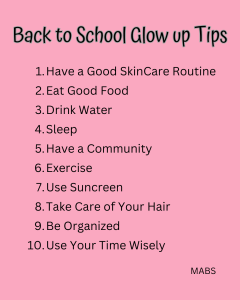
Good Skincare Routine

For your glow-up, start with a basic skincare routine that you can stick to consistently

Wash your face twice daily with a gentle cleanser, exfoliate twice a week and moisturise.

This face wash helped me clear my acne

Exfoliating removes dead skin cells and reveals the fresher skin underneath. Use an exfoliant two to three times a week to boost skin renewal.


A vey good sugar scrub
A great salt scrub

Eat good food

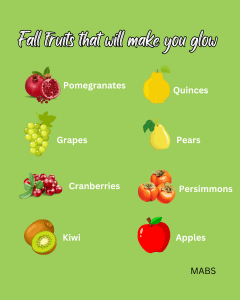
Eat foods rich in vitamins (especially A, C, E), minerals, and antioxidants, such as fruits, vegetables, and nuts. These foods nourish the skin from within.

Try to eat more citrus fruits, salads and drink fresh juices. Also don’t forget to drink enough water.
Sleep

Do you remember how you feel when you have 2-3 hours of sleep? Grumpy, angry and clumsy. Not getting enough sleep can also affect your skin.

Adequate rest promotes skin repair and regeneration. Getting adequate sleep allows the body to repair itself, reducing the appearance of dark circles and giving your skin a rested glow.

Exercise

Go to the gym often, go on long walks or skip. Physical activity boosts circulation, which helps deliver oxygen and nutrients to the skin, giving it a fresh, natural glow.

Use Sunscreen

Sunscreen is a most have of glowing skin. Since I started using sunscreen my skin condition has improved a lot. Shielding skin from UV damage helps maintain its health and glow. Never skip sunscreen. It protects your skin from UV damage and prevents premature aging.

Sunscreen

Overnight Beauty Tips for Glowing Skin

Overnight skincare is the secret to waking up with fresh, glowing skin.

  • Use a hydrating overnight mask
  • Sleep on a clean, soft silk pillowcase
  • Wake up early so you have some time to yourself to look your best
  • Use a toner to balance your skin

Hair Care Routine for Your Glow Up

Your hair plays a big part in your glow-up journey. Having shiny, healthy hair will not only make you look great, but it will also boost your confidence.

The Essentials

  • Shampoo & conditioner (Once a week)
  • Hair Masks (Once a month)
  • Heat Protection (When you do hairstyles that require heat)

Haircut Transformation

A new haircut can make you feel like a whole new person. Start your glow-up by booking an appointment with your hairstylist. Consider a fresh style, adding layers, or trimming split ends to bring life back to your hair.

For black girls, go get new braids, style your hair differently, get hair supplies and new hair accessories. You can also try wigs for periods when you need you hair to take a break.

Don’t forget to get edge controllers and gels, for a smooth finish every time.

Hair and Makeup for School

For an easy school beauty prep, opt for low-maintenance hair and makeup routines. A simple, ponytail or a corn rows can look chic and effortless.

For makeup, a light touch of foundation, concealer, mascara, and lip gloss is enough to freshen up your face without too much effort.

Healthy Habits for a Glow-Up

Glowing up isn’t just about beauty; it’s about incorporating healthy habits into your daily life. To truly feel good, focus on maintaining a balanced lifestyle that will support your mental and physical well-being.

Drink More Water

Staying hydrated is crucial for both your skin and your overall health. Aim to drink at least eight glasses of water a day to keep your skin glowing and your body functioning at its best.

Stick to a Sleep Schedule

A proper sleep routine is essential for a successful glow-up. Try to get at least 7–9 hours of sleep every night.

To help with this, set a regular bedtime and create a relaxing night routine (like skincare or reading). Also, avoid using electronics an hour before bed.

School Glow-Up Tips

Plan your outfits. Choose outfits that make you feel confident and comfortable. Prepping your wardrobe in advance can save you from last-minute panic.

Wear what makes you feel good. Confidence comes from within, so choose clothes and accessories that reflect your personality.

Quick Beauty Hack

Keep a lip gloss, powder, and mascara in your bag for a quick refresh during the school day.

Semester Preparation for University Students

For university students, the spring or fall semester glow-up is all about balancing productivity, self-care, and managing a busy schedule.

Get Organized

Spend some time to refresh your digital workspace. Update your Notion or Google Calendar to reflect your upcoming semester.

Declutter your digital files, folders, and desktop.

Additionally, create a study schedule that helps you stay on top of assignments.

Mental Health Tips for Your Glow Up

University life can be stressful, so taking care of your mental health is just as important as your physical appearance.

Take Periodic Breaks

Don’t overwork yourself. Make time for breaks and relaxation to avoid burnout. What I found helped me prevent burnt out is working for 45 minutes and taking 15 minutes break. This is the 45/15 rule.

Practice Mindfulness

Meditation and prayer can help you focus and reduce stress. Read your bible, write down your worries and change them to prayer points.

Build a support system of friends, family, or even a counselor to check in on your mental health. Be comfortable sharing your worries with them.

Your Step-by-Step Plan to Glowing Up

Ready for the ultimate glow-up challenge?

Set Your Glow-Up Goals

  • Skincare routine, haircut, and outfit makeover.
  • Drink more water, exercise regularly, and eat healthier.
  • Focus on positivity, reduce stress, and practice gratitude.

Create a Daily Glow-Up Routine

  • Morning Routine– Start with a simple skincare routine, a balanced breakfast, and a positive mindset.
  • Night Routine– End your day with a relaxing self-care routine, a good book, or meditation to recharge for the next day.

Track Your Progress

Use a checklist or a digital app to track your daily glow-up goals – Notion templates are perfect for this.

Celebrate Your Achievements

Glow-ups are a personal journey, so don’t forget to celebrate the small wins. Whether it’s clearing up your skin, staying organized, or feeling more confident, acknowledge your hard work and keep pushing forward.

Conclusion

A glow-up isn’t just about a beauty makeover, and it’s not just about using the best skincare products. It’s about feeling your best inside and out.

Your skin is a reflection of your overall well-being, and factors like stress, poor diet, and lack of sleep can dull your complexion.

By focusing on your skincare, healthy habits, mental health, and personal goals, you can achieve the ultimate glow-up before school and carry that confidence with you throughout the year.

Did you find this helpful? Leave a comment below.

Effective Strategies for Suicide Prevention

Suicide is a tragic and complex act where an individual intentionally ends their own life, often as a result of overwhelming emotional pain or mental health challenges. This pain might stem from depression, anxiety, trauma, chronic illness, or life circumstances that feel unbearable.

In many cases, those contemplating suicide are experiencing such deep distress that they feel there is no other way to escape it. Preventing suicide involves fostering a supportive environment where individuals feel safe, understood, and valued, coupled with access to mental health care and emotional support.

There are numerous reasons why someone might contemplate suicide, often involving a combination of psychological, emotional, and social factors.

Mental health conditions like depression, anxiety, bipolar disorder, and schizophrenia are significant contributors, as they can lead to feelings of hopelessness and despair.

What Makes a Person Think About Suicide

Emotional pain, such as feeling worthless or lonely, can become overwhelming, while trauma or abuse—whether physical, emotional, or sexual—can also be a powerful trigger if left unresolved. Additionally, chronic physical illnesses or unmanageable pain can cause individuals to seek an escape from their suffering.

Life stressors such as financial problems, relationship breakdowns, or the death of a loved one can push someone to the brink, especially if they feel unable to cope. Substance abuse can further complicate matters, often impairing judgment and amplifying mental health issues.

Feelings of isolation, combined with a lack of coping skills, can also heighten the risk of suicide, as can existential crises where individuals grapple with a sense of meaning or purpose in life.

Warning Signs of Someone Considering Suicide

Recognizing the warning signs of someone who may be considering suicide is critical for timely intervention. Emotionally, this may present as persistent sadness, withdrawal from social activities, or noticeable changes in sleep and appetite. You may also notice increased irritability, anger, or a lack of motivation and energy.

Verbally, someone may express feelings of hopelessness, talk about being a burden, or even directly mention thoughts of suicide or self-harm.

Behaviorally, risky actions, like substance abuse or giving away possessions, can signal preparation for suicide. Additionally, neglecting personal hygiene or frequently complaining about physical ailments without a clear medical cause could indicate emotional distress.

If you observe these signs, acting compassionately and without judgment is essential. Reach out to the individual, express your concern, and offer emotional support. Encourage them to seek professional help from a mental health counselor, therapist, or doctor.

Sometimes, simply listening can make a world of difference. If someone is in immediate danger or has a specific plan to harm themselves, emergency intervention is critical. Contact crisis hotlines, mental health professionals, or emergency services to ensure they get the support they need.

Why Is the Topic of Suicide Prevention Important

Talking about suicide prevention is crucial for many reasons. Firstly, it helps break the stigma surrounding mental health issues, making it easier for individuals to seek help without fear of judgment. Open discussions also raise awareness about the signs and symptoms of mental distress, helping people recognize when someone may be at risk.

Additionally, these conversations can highlight resources such as counseling services, hotlines, and support groups, which can assist those in need. By discussing suicide prevention, we can also educate people on coping strategies for managing stress and emotional pain, equipping them with the tools they need to navigate life’s challenges. This education extends beyond individuals, empowering family members, friends, and community members to offer practical support.

Furthermore, early intervention is critical in suicide prevention. Talking about the topic openly encourages people to seek help earlier, leading to better mental health outcomes and potentially saving lives.

It also supports survivors of suicide loss, providing them with comfort and an avenue for healing. Advocacy driven by open discussions can lead to changes in mental health policy and the availability of services, ensuring better support systems for those in need.

Crisis helplines are an invaluable resource for anyone experiencing distress or thoughts of suicide. These services provide immediate, confidential support, 24 hours a day, from trained counselors and crisis responders. For example, in the United States, the 988 Suicide & Crisis Lifeline offers round-the-clock support via phone or text.

In contrast, the Crisis Text Line (text “HELLO” to 741741) provides confidential crisis intervention through messaging. Internationally, Lifeline Australia (13 11 14) and the Samaritans (116 123 in the UK) are also excellent resources, ensuring that no matter where someone is, help is always available.

Reducing suicide risk requires a multi-faceted approach. One of the most important strategies is raising awareness about mental health and reducing the stigma associated with seeking help.

Public education campaigns, alongside supportive environments in homes and workplaces, can encourage individuals to speak openly about their struggles. Making mental health care more accessible is also crucial—expanding resources and integrating mental health services into primary care can make it easier for people to seek help.

Additionally, fostering solid social connections and creating safe spaces for individuals to share their feelings can provide the emotional support they need. Early identification and intervention are essential. Recognizing the warning signs and offering support can prevent a crisis from escalating. In immediate danger, crisis helplines and emergency services provide vital assistance.

Safety planning, such as developing coping strategies and removing access to means of suicide, can reduce risks for individuals at high risk. Another critical step is supporting at-risk populations through targeted interventions, community programs, and peer support groups.

Lastly, follow-up care is essential for individuals who have received treatment for mental health issues, ensuring they continue to receive support and reduce the risk of relapse.

Conclusion

Suicide is a complex issue influenced by a range of emotional, psychological, and social factors. Those struggling with suicidal thoughts often feel trapped and alone, but it is vital to approach them with empathy and understanding. By fostering a culture of openness, supporting mental health care access, and providing education on suicide prevention, we can make a real difference in reducing suicide risks and saving lives.

If you or someone you know is struggling, don’t hesitate to reach out—help is available, and no one should face these challenges alone.

Did you find this article helpful? Leave a comment below

The Parkinson’s Pandemic: What You Need to Know and How You Can Help

Featured

Living with Parkinson’s can feel like navigating a labyrinth, with twists and turns at every corner. But fear not – we’re here to illuminate some lesser-known paths that might lead to brighter days ahead. So, settle in, take a deep breath, and let’s embark on this exploration together, with hope as our compass and resilience as our guide. Let’s journey hand in hand, knowing that we’re in this together.

It’s crucial to grasp the intricacies of Parkinson’s symptoms – those daily companions that can often feel like unwelcome guests. From the frustrating tremors to the stiffness that seems to have taken up residence in your limbs, each symptom carries its weight, impacting your life in ways only you truly understand. But know this: you’re not alone in this struggle. By delving into the nuances of these symptoms, we’re not just facing them head-on but also arming ourselves with the knowledge needed to navigate this journey with greater resilience and understanding. So, let’s take a closer look at these symptoms, unraveling their complexities together and forging a path forward anchored in empathy, expertise, and unwavering support.

Click here to learn how to slow the progression of Parkinson and live a happier life despite the diagnosis

The power of lifestyle changes

Picture this: amidst the chaos of managing your condition, there lies a realm of possibility – minor shifts in your daily habits that could yield remarkable results in easing your symptoms. From the gentle sway of tai chi to the nourishing embrace of a well-balanced diet, these lifestyle changes 

In our journey toward understanding and embracing lifestyle changes for Parkinson’s management, stories have immense power – tales of resilience, triumph, and the human spirit’s unyielding resolve. These narratives paint a vivid picture of possibility, showing us that beyond the pages of medical journals and clinical studies, a tapestry of lived experiences exists, each thread weaving a story of hope and healing.

Imagine sitting down with individuals who have walked the path you now tread – individuals whose journeys have been marked by moments of doubt, fear, and uncertainty yet who have emerged stronger, wiser, and more resilient than ever. These voices guide us, illuminating the way forward with their wisdom, courage, and unwavering determination.

So, let’s lean in and listen closely to these stories – stories of ordinary people facing extraordinary challenges, setbacks transformed into stepping stones, and dreams realized against all odds. Through their experiences, we gain insight and inspiration – a beacon of light illuminating our path and reminding us that, in the face of adversity, hope springs eternal. 

Click here to learn how to avoid the vicious cycle of health threats in Parkinson’s and brain degeneration.

Sarah

Sarah was diagnosed with Parkinson’s disease at the age of 52. At first, she felt overwhelmed and uncertain about her future. However, instead of resigning herself to the limitations of her diagnosis, Sarah decided to take proactive steps to improve her quality of life. She began incorporating regular exercise into her routine, starting with gentle yoga and walking. Over time, she noticed a significant improvement in her mobility and flexibility, as well as a reduction in her tremors. Inspired by her progress, Sarah also changed her diet, focusing on whole, nutrient-rich foods and cutting back on processed snacks and sugary treats. Today, Sarah feels more robust, energetic, and empowered than ever. She credits her commitment to lifestyle changes for helping her manage her Parkinson’s symptoms with grace and resilience.

John

John was diagnosed with Parkinson’s disease at the age of 60. As an avid golfer, he was devastated by the thought of losing his ability to enjoy his favorite pastime. Determined to stay active and maintain his independence, John decided to explore alternative therapies to complement his medication regimen. He discovered the benefits of tai chi, a gentle form of martial arts that emphasizes slow, flowing movements and mindfulness. After incorporating tai chi into his daily routine, John noticed a remarkable improvement in his balance, coordination, and overall well-being. He also found solace in the supportive community of fellow tai chi practitioners, who provided encouragement and camaraderie along his journey. Today, John continues to enjoy playing golf and living life to the fullest, thanks to the positive impact of lifestyle changes on his Parkinson’s symptoms.

Emily

Emily was diagnosed with Parkinson’s disease at the age of 48. As a busy mother of three young children, she struggled to balance the demands of her family life with the challenges of her diagnosis. Determined to prioritize her health and well-being, Emily made self-care a non-negotiable part of her daily routine. She started practicing mindfulness meditation to reduce stress and anxiety, carving out a few minutes each day to quiet her mind and focus on the present moment. Emily also made time for regular social activities, such as book club meetings and coffee dates with friends, to combat feelings of isolation and loneliness. Through these lifestyle changes, Emily discovered a newfound sense of peace, resilience, and joy, even in adversity. Today, she inspires others living with Parkinson’s, proving that with determination and self-care, it’s possible to thrive despite the challenges life throws our way.

Practical Tips for Implementing Lifestyle Changes

As we embark on the journey of incorporating lifestyle changes into our Parkinson’s management plan, it’s essential to equip ourselves with practical strategies and actionable steps. Think of it as charting a course on a voyage – with each step carefully planned and executed, we inch closer to our destination of improved well-being and symptom relief.

First and foremost, let’s set the stage for success by establishing realistic goals and expectations. It’s essential to recognize that change takes time and patience, and embracing a compassionate approach toward yourself is critical to long-term success. Start small, celebrate each milestone along the way, and remember that every step forward, no matter how small, is a victory worth honoring.

Next, craft a personalized plan tailored to your unique needs, preferences, and circumstances. What works for one person may not necessarily work for another, so it’s crucial to listen to your body, trust your instincts, and adjust as needed. Whether incorporating daily exercise routines, revamping your diet, or prioritizing stress-reduction techniques, your plan should reflect your journey toward more excellent health and vitality.

Lastly, let’s lean on the support of your healthcare team, caregivers, and loved ones as you navigate this terrain. They are your allies, advocates, and partners in this journey, offering guidance, encouragement, and unwavering support at every step. Feel free to reach out for help when needed, and remember that you’re always with others on this path.

Nutrition

When it comes to managing Parkinson’s disease through nutrition, understanding the impact of different foods on symptoms is essential. While there isn’t a one-size-fits-all approach, confident dietary choices may exacerbate symptoms, while others have been shown to alleviate them.

Working with a healthcare provider or registered dietitian is essential to develop a personalized nutrition plan that meets your unique needs and preferences. Individuals can optimize their nutrition to manage their symptoms and improve their overall quality of life by focusing on nutrient-dense, whole foods and minimizing processed and sugary items.

Foods that may worsen symptoms

High-sugar foods and beverages: Excessive sugar intake can lead to fluctuations in blood sugar levels, potentially exacerbating symptoms such as fatigue and tremors.

Processed foods: Foods high in processed ingredients, additives, and preservatives may contribute to inflammation in the body, worsening symptoms of Parkinson’s.

High-fat foods: Consuming a diet high in saturated and trans fats has been linked to an increased risk of cardiovascular disease, which can indirectly impact Parkinson’s symptoms by affecting blood flow to the brain.

Foods that may alleviate symptoms

Antioxidant-rich foods: Fruits and vegetables such as berries, spinach, kale, and bell peppers are packed with antioxidants that help combat oxidative stress and inflammation in the body, potentially reducing symptoms of Parkinson’s.

Omega-3 fatty acids: Foods rich in omega-3 fatty acids, such as fatty fish (salmon, mackerel, sardines), flaxseeds, and walnuts, have anti-inflammatory properties that may help alleviate symptoms and support brain health.

Whole grains: Choosing whole grains such as brown rice, quinoa, oats, and whole wheat bread over refined grains can provide steady energy levels and support overall health, which may positively impact Parkinson’s symptoms.

Navigating Challenges and Celebrating Progress

As we journey through the realm of lifestyle changes for Parkinson’s management, it’s essential to acknowledge that challenges may arise along the way. But here’s the thing: setbacks are not roadblocks; they’re detours that offer valuable lessons and opportunities for growth.

When faced with obstacles, it’s essential to approach them with patience, resilience, and a healthy dose of self-compassion. Remember, your struggles do not define you – you’re limited by how you rise above them. So, take a deep breath, gather your strength, and press on, knowing that each challenge conquered brings you one step closer to your goals.

And let’s remember to celebrate the wins, no matter how small. Whether mastering a new yoga pose, preparing a nutritious meal from scratch, or getting a good night’s sleep, every achievement is cause for celebration. So, take a moment to bask in the glow of your successes, acknowledging the hard work and dedication that brought you to this point.

Sleep

Ensuring restful sleep is vital for individuals managing Parkinson’s disease, yet sleep disturbances are common and can significantly impact overall well-being. Employing strategies to improve sleep hygiene and address these disturbances is critical to promoting better sleep quality and quality of life.

Establish a consistent sleep schedule

Aiming to go to bed and wake up simultaneously every day, even on weekends. This consistency helps regulate the body’s internal clock, promoting better sleep quality and a more stable sleep-wake cycle.

Create a relaxing bedtime

Creating a relaxing bedtime routine can signal the body that it’s time to wind down and prepare for sleep. Activities such as reading, taking a warm bath, or practicing relaxation techniques like deep breathing or meditation can promote relaxation and ease the transition to sleep.

Limiting stimulants and screen time before bed

Avoiding stimulants such as caffeine and nicotine in the hours leading up to bedtime can prevent interference with sleep quality. Additionally, reducing exposure to blue light from electronic devices like smartphones and computers can help regulate the body’s natural sleep-wake cycle.

Manage stress and anxiety

Stress and anxiety can significantly impact sleep quality, so relaxation techniques like mindfulness meditation, progressive muscle relaxation, or journaling can help reduce stress levels and promote a more peaceful state of mind before bedtime.

Finally, seeking medical evaluation and treatment is essential if sleep disturbances persist despite implementing these strategies. Medical professionals can assess for underlying issues contributing to poor sleep quality and recommend appropriate interventions, such as medication adjustments or treatments targeting specific sleep disorders.

You can click here to learn how to slow the progression of Parkinson disease.

By implementing these strategies and prioritizing sleep hygiene, individuals with Parkinson’s disease can take proactive steps to improve sleep quality and enhance their overall quality of life.

In conclusion

Navigating life with Parkinson’s disease presents its unique set of challenges, yet it also offers opportunities for growth, resilience, and newfound vitality. By embracing lifestyle changes tailored to individual needs and preferences, individuals with Parkinson’s can take proactive steps to manage symptoms, improve overall well-being, and enhance quality of life.

From prioritizing regular exercise and nourishing the body with nutrient-rich foods to cultivating relaxation techniques and seeking support from healthcare professionals and loved ones, the journey toward optimal health is multifaceted and deeply personal. By honoring the body’s innate wisdom and resilience, individuals can harness the power of lifestyle changes to navigate the complexities of Parkinson’s disease with grace and determination.

Our diagnosis does not define us, but rather by the courage, resilience, and unwavering spirit with which we face each day. By supporting one another, sharing our stories, and embracing the journey with open hearts and minds, we can find strength, inspiration, and hope in the face of adversity.

Ready to take the next step towards optimizing your health and well-being on your Parkinson’s journey? Explore the resources and products recommended in this article to support your lifestyle changes and enhance your quality of life. Click here to discover solutions tailored to your needs, and start your journey towards a brighter, healthier tomorrow today.

Did you find this article helpful? Please subscribe to my blog and leave a comment below. You can also find us on Instagram (mabs_blog) and on the X app (MadameAnn4).

Featured

Are you sleeping through you alarm?

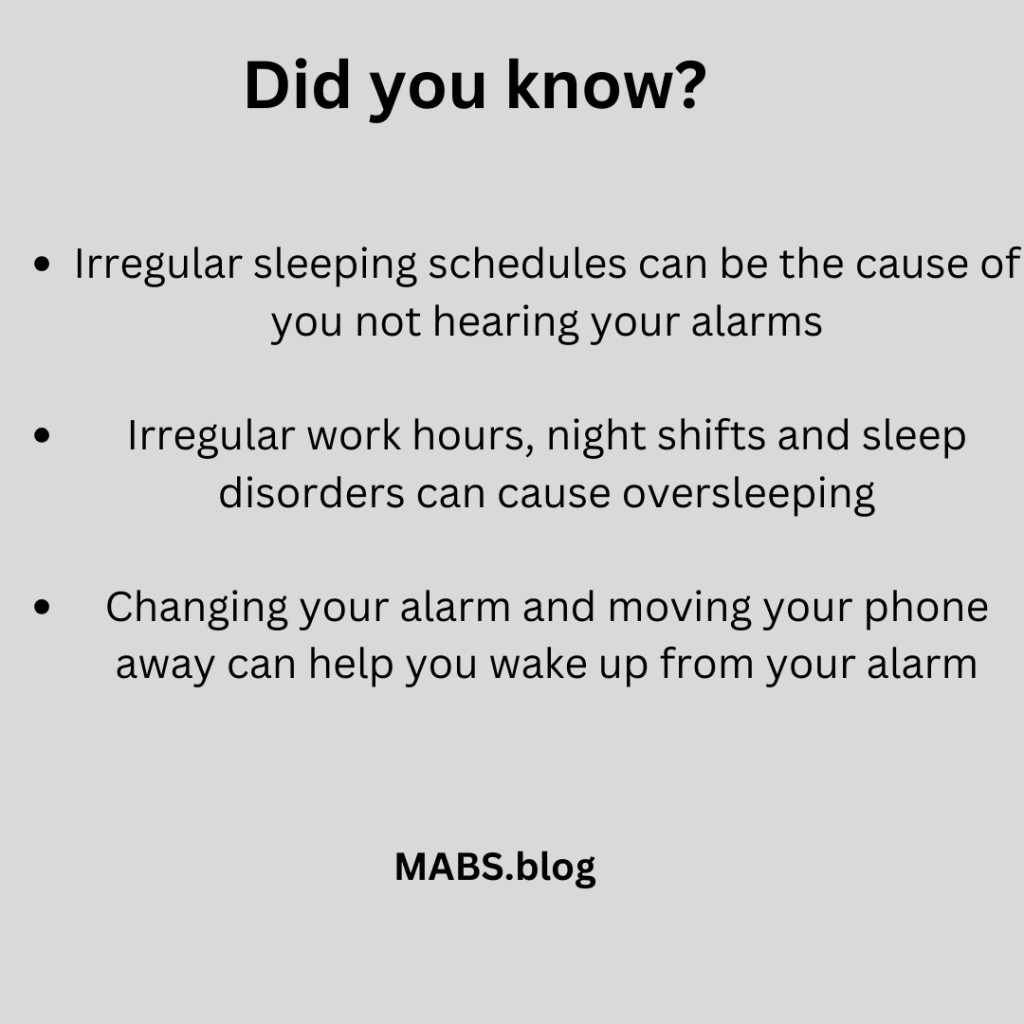
Have you ever felt irresponsible because you overslept? You couldn’t hear your alarms, even when you set them about 30 minutes apart. I promise I have been there too.

Have you figured out a way to subconsciously switch off your alarm when you are asleep, and now you feel at war with your alarm clocks? This is me on most days until I find a solution. Keep reading; I will share the secret of winning the war against the alarm clock.

The first thing is to discover why you are oversleeping and not hearing your alarms. Here are some common reasons

A lady oversleeping

1. You are not getting enough sleep

We each have our own biological sleep needs. It is the amount of sleep you need to wake up feeling refreshed and able to go about your day. It can be 7-9 hours, but if you are in medical school or on a tight schedule at work, you are lucky to get 5.

When you don’t get the sleep your body needs each night, you start to rack up sleep debt. If you are in a chronic state of sleep deprivation, then you might have sleep deprivation and a higher sleep drive, and you are probably not going to hear your alarms when they ring. 

2. You go to bed at the wrong time

Are you a morning person or a night owl? You need to figure that out so you schedule your sleep well. I am an early waker, so I must sleep early to wake up early. If you are a night owl, you need to find a way to adjust your sleep schedule to fit your activity time. 

3. You are spending too much time on social media

After a long day, you might want to reward yourself a little by scrolling through a few posts on social media, but unfortunately, you get trapped and find yourself mindlessly scrolling. Before you know it, it’s 1 am, but you must be up by 5 am. So you set up multiple alarms to wake you at 5 am or at least 5:30. But sadly, you couldn’t hear the alarm, and now it’s 8 am. Sounds familiar? Hehehe 

Now let’s discuss how to avoid sleeping through your alarms

1. Have a routine

Having a routine means going to bed at the same time and waking up at the same time every day. If having a routine is something plausible for you, try to work out a routine that benefits you.

For many who cannot work a routine out, the next best thing is sleeping the same hours daily. 

2. Dont press the snooze button

I have the magical power of switching off my alarm while asleep. For some people, they are in an infinite cycle of snoozing. Just keep your phone far from you before sleep, and let your alarm ring enough to annoy you out of bed. Then, grudgingly, make yourself a coffee or switch on the lights. 

3. Have good sleep hygiene

Sleep hygiene is a habit you develop to ensure you have quality sleep. Try reading a book before bed, eating a balanced meal, and exercising regularly. 

I remember how much my sleep improved once I started going to my gym. I could initiate sleep quickly and had a better motivation for waking up in the morning.

Speaking of motivation, you need to be motivated to wake up in the morning. Are you trying to wake up to study for a test or want more functional hours in your day? Find a way to be motivated to wake up. A cup of coffee, yummy leftovers, or a sweet conversation with your partner

4. Change your alarm tone

Having the same alarm for years can desensitize you from hearing it ring. So, changing the tone helps a lot. Furthermore, don’t set your alarm as your favorite song. Trust me, you will sleep through it or even dance to it in your dreams, haha.

Keep your alarm or phone a little distance from you; that way, you need to physically get up to stop it from ringing. 

5. Light 

Do not underestimate the power of light in waking you up; it works. Light from your phone or the lights in the bathroom work well, but you could also invest in light therapy alarm clocks  

In conclusion

Don’t beat yourself up for sleeping through your alarm. There are many solutions:

  • Have a sleep routine and good sleep hygiene.
  • Change your alarm clock.
  • Be motivated to wake up and use light to your advantage.

I hope you found this article helpful. Leave a comment below; I would like your feedback after trying these methods to ensure you wake up on time.