Why Medical Students Face Higher Rates of Stress

“Physician, heal thyself” – but what happens when the healer is drowning in silence?

Sarah sat in the back row of her pharmacology lecture, mechanically taking notes while her mind spiraled into familiar territory. The material felt insurmountable, her latest exam score was disappointing, and she couldn’t shake the feeling that everyone around her was somehow more capable, more deserving of their white coat. What she didn’t realize was that nearly one in three of her classmates was experiencing similar thoughts – trapped in a cycle of perfectionism, comparison, and overwhelming pressure that has created a mental health crisis hiding in plain sight within medical education.

The statistics are both shocking and undeniable. While approximately 8% of the general population experiences depression, studies consistently show that 27% of medical students struggle with depressive symptoms – more than triple the rate of their peers. But the mental health crisis extends far beyond depression alone.

When we examine anxiety disorders, the picture becomes even more alarming. Research reveals that anxiety rates among medical students fluctuate dramatically throughout their education, creating a rollercoaster of psychological distress that tracks with the academic calendar. One comprehensive study found that anxiety affects 45.86% of first-year students, peaks at 52.58% in second year, remains elevated at 47.14% in third year, drops to 28.75% in fourth year, then rises again to 45.10% in the final year.
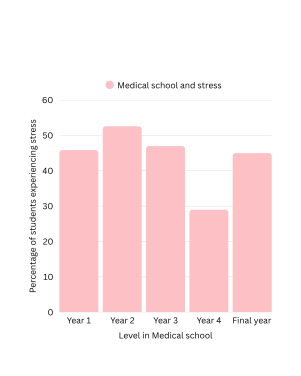
bar graph
Bar graph showing the percentage of students experiencing stress in different levels of medical school

These fluctuations tell a story of how different phases of medical education create unique psychological pressures. The initial shock of medical school intensity hits first-years hard, while second-year students face the notorious “pre-clinical to clinical” transition anxiety. Third-year students grapple with their first real patient responsibilities, fourth-years experience some relief as they near graduation, and final-year students face the stress of residency matching and career uncertainty.

The very individuals we’re training to heal others are experiencing mental health challenges at rates that would constitute a public health emergency in any other population.

The International Journal of Medical Education published a comprehensive meta-analysis in 2019 that examined 77 studies across different countries and cultures. The findings were consistent across geographic boundaries: medical students worldwide experience depression at rates 2.5 to 3 times higher than age-matched peers in other fields.

Why are so many medical students depressed?

The answer lies in a convergence of factors that create the perfect storm for mental health struggles. Medical students face a unique combination of extreme academic pressure, high-stakes testing, financial stress from significant debt, social isolation due to demanding schedules, and the psychological burden of preparing to hold lives in their hands.

Why do medical students have anxiety?

The anxiety epidemic stems from the uncertainty inherent in medical training. Students constantly face the unknown – will they pass their next exam? Will they match into their desired residency? Can they handle the responsibility of patient care? This chronic uncertainty, combined with perfectionist tendencies, creates persistent anxiety that can become debilitating.

Why are students more prone to depression?

Medical students are particularly vulnerable because they enter medical school as high achievers who have rarely experienced failure. When they encounter the normal struggles of medical education, they lack coping mechanisms for anything less than perfection. Additionally, the isolation from friends and family, financial pressures, and constant evaluation create a breeding ground for depressive symptoms.

What is the most stressful year of medical school? Based on anxiety data, second year emerges as the most psychologically challenging, with anxiety rates reaching 52.58%. This year combines intense studying for the first major licensing exam (USMLE Step 1) with the pressure of transitioning from basic sciences to clinical application – a combination that overwhelms more than half of all students.

Medical school attracts individuals who have spent their entire academic careers at the top of their class. These are students who have never encountered failure, who have built their identity around being the best, the brightest, the most capable. Then they enter medical school, where suddenly everyone is exceptionally talented.

Dr. Lisa Rotenstein, who has extensively researched medical student mental health, explains that this shift from being a big fish in a small pond to being surrounded by equally accomplished peers creates what psychologists call “the big fish-little pond effect.” For many students, this is their first encounter with academic struggle, and they lack the coping mechanisms to handle anything less than excellence.

The perfectionism that once served as a driving force becomes a destructive inner critic. Students begin to catastrophize normal academic challenges, viewing a single poor grade as evidence of their unworthiness to become a physician. This all-or-nothing thinking pattern, combined with the high stakes of medical education, creates a breeding ground for anxiety and depression.

The Imposter Syndrome Epidemic

“I don’t belong here.” “They made a mistake accepting me.” “Everyone else seems to understand this better than I do.” These thoughts plague medical students at alarming rates, creating what psychologists term “imposter syndrome” – the persistent feeling of being a fraud despite evidence of competence.

Medical education, with its emphasis on extensive knowledge and life-or-death decision-making, naturally amplifies these feelings. Students compare their internal struggles with their peers’ external composure, not realizing that everyone is fighting similar battles. The competitive atmosphere often discourages vulnerability and honest communication about difficulties, perpetuating the illusion that everyone else is managing better.

Maya, a third-year medical student, shared her experience: “I spent my first two years convinced that admissions had made an error. Every time I didn’t know an answer during rounds, I was sure my attending would realize I didn’t deserve to be there. It wasn’t until I started opening up to classmates that I realized we were all feeling the same way.”

Academic Pressure and the Stakes of Failure

Unlike other graduate programs, medical school carries the weight of future patient care. Students aren’t just worried about their GPA – they’re concerned that their academic performance directly correlates with their ability to save lives. This creates a unique psychological pressure that goes beyond normal academic stress.

The USMLE Step exams, residency applications, and clinical rotations all carry high stakes that can determine career trajectories. Students often report feeling that a single poor performance could derail their entire future, leading to chronic stress and anxiety that compounds over time.

Breaking the Stigma

Perhaps the most insidious aspect of this mental health crisis is the culture of silence that surrounds it. Medical students often fear that seeking help will be seen as weakness, that it will be documented in their records, or that it will prevent them from matching into competitive residencies.

This fear isn’t entirely unfounded. While progress has been made, some residency programs still ask about mental health history, and students worry about the implications of being honest about their struggles. The result is a culture where suffering in silence is normalized, where students push through depression and anxiety without seeking the help they desperately need.

Dr. Pamela Wible, a physician advocate for medical professionals’ mental health, describes this as “medical training trauma” – the normalization of abuse, neglect, and suffering as necessary components of becoming a physician. This toxic culture suggests that struggling with mental health indicates weakness or unsuitability for medicine, when in reality, it’s a natural human response to an unnaturally stressful environment.

Recognizing the Warning Signs

The tragedy of medical student mental health crises is that they’re often preventable with early recognition and intervention. Understanding the warning signs – both for oneself and for classmates – can be life-saving.

Physical symptoms often appear first: changes in sleep patterns, appetite fluctuations, frequent headaches, or unexplained fatigue. These may be dismissed as normal stress responses, but they often signal the beginning of more serious mental health challenges.

Cognitive changes include difficulty concentrating, memory problems, indecisiveness, or persistent negative thoughts. Students might notice that material that once came easily now feels impossible to grasp, or that they’re spending significantly more time studying with less retention.

Emotional indicators encompass feelings of hopelessness, excessive guilt, irritability, or emotional numbness. Some students report feeling like they’re “going through the motions” without experiencing genuine emotions.

Behavioral changes might include social withdrawal, neglecting self-care, increased substance use, or avoiding previously enjoyable activities. Students might stop exercising, eating poorly, or isolating themselves from friends and family.

Recognizing Signs in Classmates

Medical students often notice changes in their peers before recognizing them in themselves. Warning signs in classmates include dramatic changes in academic performance, increased absence from class or clinical rotations, social withdrawal, or comments about feeling hopeless or worthless.

The phrase “I’m just tired” becomes a common refrain that often masks deeper struggles. Students might joke about wanting to “disappear” or make offhand comments about not being cut out for medicine. These seemingly casual remarks often reflect genuine distress.

How Mental Health Impacts Medical Education

The consequences of untreated mental health issues extend far beyond individual suffering. Depression and anxiety significantly impact academic performance, with studies showing that medical students with untreated mental health conditions are more likely to struggle academically, drop out, or experience difficulties during clinical rotations.

More concerning is the impact on patient care. Students struggling with mental health issues report feeling less empathetic toward patients, making more medical errors, and experiencing greater difficulty with clinical decision-making. This creates a dangerous cycle where poor mental health leads to compromised patient care, which in turn increases guilt and worsens mental health symptoms.

The financial implications are also substantial. Medical education represents a significant investment, and mental health struggles can lead to academic delays, repeated coursework, or even withdrawal from medical school. The average medical student graduates with debt, making the consequences of mental health-related academic difficulties particularly devastating.

A Call for Change

Addressing the mental health crisis in medical education requires more than individual intervention. Medical schools are beginning to recognize this, implementing wellness curricula, providing mental health resources, and working to reduce stigma.

However, true change requires a fundamental shift in medical education culture. We must move away from the idea that suffering is necessary for becoming a good physician and toward a model that prioritizes well-being as essential for providing excellent patient care.

Students themselves play a crucial role in this cultural shift. By speaking openly about mental health struggles, supporting classmates, and prioritizing self-care, medical students can help create a more supportive environment for everyone.

The key is recognizing that seeking help for mental health struggles isn’t a sign of weakness – it’s a sign of strength and wisdom. Just as we wouldn’t expect someone to perform surgery with a broken hand, we shouldn’t expect students to navigate the challenges of medical education with untreated mental health conditions.

Resources and Next Steps

If you’re a medical student struggling with mental health issues, know that you’re not alone and that help is available. Most medical schools offer confidential counseling services, and many have specific programs designed for medical students.

Remember that seeking help early is always better than waiting until the situation becomes critical. Mental health treatment is not a luxury, it’s an essential component of your medical education and future practice.

Conclusion

The mental health crisis among medical students represents one of the most pressing challenges in medical education today. With depression rates three times higher than the general population, we can no longer afford to ignore this issue or dismiss it as a normal part of medical training.

By understanding the root causes – perfectionism, imposter syndrome, and overwhelming academic pressure – and recognizing the warning signs early, we can begin to address this crisis. More importantly, we can work to create a culture in medical education that values mental health as much as academic achievement.

If you’re struggling with mental health issues, please reach out for help. You deserve support, and seeking help makes you a better future physician, not a weaker one.

Sources:

  1. Rotenstein, L. S., et al. (2016). Prevalence of depression, depressive symptoms, and suicidal ideation among medical students. JAMA, 316(21), 2214-2236.
  2. Pacheco, J. P., et al. (2019). Mental health problems among medical students in Brazil. International Journal of Medical Education, 10, 224-230.
  3. Dyrbye, L. N., et al. (2014). Burnout and suicidal ideation among U.S. medical students. Annals of Internal Medicine, 149(5), 334-341.
  4. Mirza AA, Baig M, Beyari GM, Halawani MA, Mirza AA. Depression and Anxiety Among Medical Students: A Brief Overview. Adv Med Educ Pract. 2021 Apr 21;12:393-398. doi: 10.2147/AMEP.S302897. PMID: 33911913; PMCID: PMC8071692.


What to Expect During Clinical Rotations

woman holding sthesthoscope behind her

Clinical rotations are one of the most exciting and most intense phases of medical school. It’s the point where everything you’ve memorized in books starts coming to life in hospital corridors, patient rooms, and daily rounds. Download this FREE Checklist to make sure you have everything you need for your rotations.

Free Surgeons wearing masks and scrubs conduct an operation in a hospital setting. Stock Photo

The Ups of Clinical Rotation

You’ll finally have the chance to examine real patients, take histories, scrub in for procedures, and present cases to your group mates. From understanding how to document progress notes in electronic medical records to collaborating with nurses, residents, and attendings, your days will be packed with fast-paced, hands-on learning and team-based care.

You’ll also gain a ton of skills during this time. From mastering physical exams and suturing techniques to interpreting labs and imaging, your clinical abilities will grow quickly. Beyond the technical, you’ll also learn time management, communication, and professional behavior—things that no textbook can teach fully.

furthermore, you’ll learn how to think like a doctor, reason through diagnoses, and weigh treatment options in real time. You’ll start to find your voice, and you’ll realize how important it is to express your ideas with clarity and confidence—something Dr. Docherty touched on when he said in an interview for the AMA’s “What I Wish I Knew in Medical School” series:

“If I could do it again, I’d definitely be more forthright with my thoughts. I’d be more confident with how I spoke and really put my thoughts out there.”

The Downs of clinical Rotation

But let’s not sugarcoat it—rotations can be tough. Some days will drain you. Especially in demanding rotations like surgery, the long hours, emotional pressure, and performance evaluations can wear on you. 

The hierarchy can feel intimidating at first, and being evaluated constantly may cause you to doubt yourself. But know this: it gets better, and the key is to show up, stay curious, and never be afraid to say, “I don’t know, but I’ll find out.”

Free Portrait of a smiling female doctor in a white coat, exuding professionalism and confidence. Stock Photo

My First Clinical Rotation

Let me tell you about my own experience. My first clinical rotation was, in short, a nightmare. I had so much anxiety—not from patients, but from the idea that they might dislike me or treat me poorly. Ironically, the patients were the kindest part of that rotation. It was my classmates who made it hard. I found myself in a toxic group where I was shut out for reasons I still don’t understand. I’d walk into a room, and the whole group would walk out. It hurt me more than I’d like to admit. I always tell myself I don’t let things get to me, but that got to me. The strange part? It was cardiology—a rotation I genuinely loved. I still remember the first time I palpated a pulse. Fast forward to this year, and I actually saw a heart beating inside someone’s chest. Am I called for cardiology? Mmm, maybe.

Download this FREE Checklist to make sure you have everything you need for your rotations.

Other clinical rotations were much smoother. I learned how to manage my emotions better, navigate relationship conflicts, and even built meaningful connections with some of my groupmates. I attended numerous surgeries and felt genuinely excited to observe and try my hand at a few procedures.

What I Wish I Knew Earlier

One thing I wish I knew earlier is how important it is to forge relationships during rotations. Connecting with your residents, attendings, and even nurses makes a world of difference, not only for learning but for emotional support.

These relationships often lead to mentorships, letters of recommendation, and lifelong connections. Don’t isolate yourself, even when things get hard. You’re not just being evaluated on knowledge but also on how you function as part of a team.

Common Questions About Clinical Rotations

How do I prepare for my first clinical rotation?

Start by reviewing common conditions in that specialty. Brush up on how to take patient histories and perform physical exams. Set realistic goals and get plenty of rest beforehand. Most importantly, show up early and be ready to learn.

How hard are clinical rotations?

They can be very demanding, physically, mentally, and emotionally. But they’re also incredibly rewarding if you stay organized, take feedback well, and maintain a growth mindset.

How do I survive a clinical rotation?

Time management is key. Take care of your health, ask for help when needed, and don’t compare yourself to others. Focus on progress, not perfection.

What should I expect on my first day?

Expect early starts, introductions, and a general feeling of “Where do I belong here?” You’ll probably shadow your team, meet patients, and observe more than you do.

How should I dress?

Professional attire is a must. Think: clean white coat, scrubs or business-casual (depending on the department), and closed-toe shoes. Keep it simple and neat.

How do I do well in clinical rotations?

Be curious, helpful, respectful, and proactive. Study the cases you see. Ask intelligent questions. Seek feedback and apply it.

How long do clinical rotations take?

Typically, each rotation lasts 4–12 weeks depending on your curriculum and the specialty.

What do clinical rotations look like?

They usually include morning rounds, patient care, procedures, lectures, and sometimes night shifts or call duties.

Do you put clinical rotations on your resume?

Yes, especially if you’re applying for residencies or jobs that value specific experiences.

What is the purpose of clinical rotations?

To give you real-world exposure to patient care, help you apply classroom knowledge, and guide you in choosing a specialty.

How do you list rotations on a CV?

List the specialty, hospital name, dates, and notable experiences or procedures observed/performed.

What is an example of a clinical experience?

“Completed an 8-week Internal Medicine rotation at XYZ Hospital, managing patient care under supervision, interpreting labs, and presenting cases during rounds.”

Download this FREE Checklist to make sure you have everything you need for your rotations.

Conclusion

Clinical rotations are where you evolve from a student into a future doctor. They will test your knowledge, shake your confidence, and stretch your limits, but they will also ignite your passion, sharpen your skills, and help you find your place in medicine.

Did you find this blog interesting? Leave a comment below.

Why Every Medical Student Should Volunteer

Parkinson disease

Being a medical student isn’t just about memorizing facts or passing exams. It’s about preparing for a career where your decisions and compassion directly impact lives. While lectures, labs, and clinical rotations play their part, one powerful (and often overlooked) way to grow during your medical journey is through volunteering.

Whether you’re assisting at a hospital, helping at a free clinic, or participating in community outreach programs, volunteering as a medical student offers a range of benefits that extend far beyond academics.

Here’s why it’s worth your time—even when your schedule is already packed.

How to Start Volunteering as a Medical Student A Simple 6-Step Guide

“Volunteering in rural areas helped me understand the public health gaps in my country—and that inspired me to pursue global health.”
Ife, 4th-year medical student

Want to know how to get involved in meaningful volunteer work that complements your journey? Download this FREE checklist PDF to get started today.

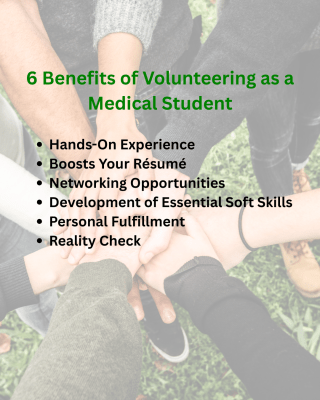
1. Hands-On Experience

Volunteering gives you real-world exposure to medical environments that textbooks can’t replicate. Whether you’re shadowing doctors, helping with administrative tasks, or offering basic care, you’re getting a front-row seat to medicine in action.

One underrated but powerful way to volunteer is by offering your digital skills—like writing for medical websites or creating educational graphics. We live in a digital world, and helping healthcare professionals spread knowledge online goes a long way.

This experience helps you:

  • Bridge the gap between theory and practice
  • Get exposure to different specialties and patient populations
  • Build comfort and confidence in clinical settings

It’s a valuable preview of your future role—and a head start on becoming the kind of doctor patients trust.

2. Boosts Your Résumé

Volunteering showcases more than just skills—it highlights your character. Residency programs and employers look for candidates who take initiative, give back to their communities, and pursue growth beyond the classroom.

It shows that you:

  • Are committed to healthcare beyond grades
  • Have a passion for service
  • Are willing to go the extra mile

These are the qualities that set you apart during interviews and applications.

3. Networking Opportunities

Volunteering isn’t just about service—it’s about connection. You’ll meet doctors, nurses, public health professionals, and peers who could become lifelong mentors or collaborators. Building your network early opens doors you didn’t even know existed. 

Benefits include:

  • Insightful career advice
  • Letters of recommendation
  • Opportunities for research or shadowing

Last summer, I volunteered with an organization supporting lupus warriors. I managed content and helped design materials. During that time, I learned so much about lupus, improved my leadership and communication skills, and made great friends. That experience changed me.

4. Development of Essential Soft Skills

Medicine is about more than clinical knowledge. Volunteering allows you to develop the interpersonal skills that define excellent healthcare providers.

You’ll sharpen skills like:

  • Empathy: Connecting with patients on a human level
  • Communication: Explaining medical concepts clearly and kindly
  • Teamwork: Adapting, supporting, and collaborating in diverse environments

These “soft” skills are the heartbeat of medical care.

5. Personal Fulfillment

Volunteering gives meaning to your long hours of study. Whether you’re educating a community, comforting a patient, or simply showing up—you’re making a real difference.

This impact:

  • Boosts your sense of purpose
  • Keeps you motivated through tough academic seasons
  • Reaffirms your ‘why’ for pursuing medicine

In a field as demanding as medicine, emotional fuel like this is invaluable.

6. Reality Check

The medical field isn’t always glamorous. Volunteering offers a safe space to witness its emotional, ethical, and logistical challenges.

It helps you:

  • Test your resilience and stress tolerance
  • Discover your strengths and limitations
  • Make informed decisions about your specialty and career path

Better to find out now what you’re made of—before the stakes get higher.

Where to Start Volunteering Today:

  • Red Cross
  • Volunteer Match
  • Student-run clinics or local NGOs
  • Hospitals, public health campaigns, digital health platforms

Conclusion

Volunteering as a medical student is one of the smartest, most fulfilling choices you can make. You’re not just gaining experience and boosting your résumé—you’re growing as a human being. You’re developing the empathy, wisdom, and resilience that medicine demands.

So whether it’s a few hours a month or part of your summer break, make space in your journey to give back. The more you serve, the more you gain.

What’s one volunteer experience that changed your perspective? Share in the comments below!

Want to know how to get involved in meaningful volunteer work that complements your journey? Download this FREE checklist PDF to get started today.

Delayed Gratification: Key to Success & Self-Control

Woman eating cake on the floor

Imagine you have two choices: eat a delicious slice of cake now or wait an hour and get two slices. Which would you choose? Your answer reflects your ability to practice delayed gratification—resisting short-term pleasure in exchange for a greater reward in the future.

Delayed gratification is essential for success in almost every area of life, from financial stability to physical health and career growth. However, in today’s fast-paced world filled with instant rewards like social media, fast food, and online shopping, mastering this skill has become increasingly challenging.

In this blog, we will explore delayed gratification, why some people struggle with it, its benefits, and how you can develop this life-changing skill.

Free Man enjoying ice cream and cake indoors, showcasing casual dining and lifestyle. Stock Photo
Man enjoying cake and Ice cream after a long day at work

What is Delayed Gratification?

Delayed gratification refers to resisting an immediate reward instead of a larger, more meaningful reward later on. It requires self-control, patience, and a clear understanding of long-term goals.

A classic example of delayed gratification is the Marshmallow Experiment conducted by psychologist Walter Mischel. In this study, children were given a marshmallow and told to eat it immediately or wait 15 minutes to receive a second marshmallow. The study found that those who waited tended to perform better academically, financially, and socially than those who gave in to temptation.

What Does It Mean to Have Trouble with Delayed Gratification?

Struggling with delayed gratification means frequently giving in to short-term temptations, even when it may negatively affect your long-term goals. This can manifest in various ways, such as:

  • Impulse spending – Buying unnecessary things instead of saving money.
  • Unhealthy eating habits – Choosing fast food over nutritious meals.
  • Procrastination – Watching TV instead of studying or working.
  • Addiction to instant pleasures – Constantly checking social media instead of being productive.

People who struggle with delayed gratification often experience difficulties achieving long-term success, maintaining healthy relationships, and managing their time and finances effectively.

The Benefits of Delayed Gratification

Mastering delayed gratification offers significant advantages in various aspects of life:

1. Better Financial Management

People who delay gratification tend to save more money, invest wisely, and avoid unnecessary debt. Instead of impulse shopping, they focus on building wealth over time.

2. Improved Health

Those who practice delayed gratification make better lifestyle choices, such as maintaining a balanced diet, exercising regularly, and avoiding harmful habits like smoking or excessive drinking.

3. Stronger Relationships

Delayed gratification fosters patience, emotional intelligence, and trust in relationships. Instead of seeking immediate validation, people prioritize deeper connections and long-term happiness.

4. Career and Academic Success

Success often requires consistent effort and discipline. Those who delay gratification are more likely to stay committed to their studies or careers, leading to higher life achievements.

5. Increased Emotional Intelligence

Resisting temptations strengthens self-control and emotional stability. People who master delayed gratification tend to handle stress better and make more rational decisions.

Is Delayed Gratification Always Good?

While delayed gratification is generally beneficial, striking a balance is essential. Waiting too long for rewards or depriving yourself of all immediate pleasures can lead to stress and burnout.

For example, if you constantly delay relaxation or socializing in favor of work, you might miss out on important life experiences. The key is to apply delayed gratification wisely—knowing when to wait and when to enjoy the present moment.

The Cycle of Instant Gratification

Many people fall into a loop of instant gratification, constantly seeking quick rewards without considering long-term consequences. This cycle is driven by dopamine, a neurotransmitter in the brain that makes us feel good when we experience pleasure. There have also been research that tried to identify the exact place in the brain associated with delayed gratification.

Here’s how the cycle works:

  1. Trigger – You feel bored, stressed, or tired.
  2. Impulse – You seek a quick escape (scrolling social media, eating junk food, etc.).
  3. Reward – You experience a short-lived pleasure.
  4. Repeat – The brain reinforces this behavior, making it a habit.

Breaking this cycle requires awareness, discipline, and strategic changes in daily habits.

Common Short-Term Gratifications That People Use

Many people rely on instant rewards to feel good temporarily. Some of the most common include:

Free Close-up of a woman with red nails using a smartphone indoors, showcasing social media browsing. Stock Photo
You can lose hours of productivity scrolling on social media
  • Scrolling social media – Instead of working or studying.
  • Eating unhealthy food – Choosing fast food over nutritious meals.
  • Impulse buying – Shopping for things you don’t need.
  • Binge-watching movies or TV – Watching all day instead of being productive.

While these activities aren’t necessarily bad, overindulging can derail long-term progress.

Which Part of the Brain Controls Delayed Gratification?

Delayed gratification is controlled by the prefrontal cortex, the part of the brain responsible for decision-making and self-control.

The limbic system, which drives emotions and urges, often competes with the prefrontal cortex. When the limbic system dominates, people tend to give in to temptations. Strengthening the prefrontal cortex through self-discipline, meditation, and goal-setting can help improve delayed gratification.

Traits of Someone Good at Delayed Gratification

People who excel in delayed gratification often display the following traits:

  • High self-discipline – They can resist temptations easily.
  • Patience – They understand that success takes time.
  • Strong emotional regulation – They control their impulses effectively.
  • Goal-oriented mindset – They focus on long-term success rather than short-term pleasure.

How Does Delayed Gratification Relate to Emotional Intelligence?

Emotional intelligence (EQ) involves understanding and managing emotions effectively. Delayed gratification is key to EQ because it requires self-awareness, impulse control, and long-term thinking.

People with high EQ:

  • Handle stress better.
  • Make more rational decisions.
  • Are less likely to engage in impulsive behaviors.

Delayed Gratification vs. Procrastination: Are They Related?

Many confuse delayed gratification with procrastination, but they are not the same.

  • Delayed gratification means waiting strategically for a better reward (e.g., saving money to invest).
  • Procrastination is delaying necessary tasks due to avoidance or fear (e.g., postponing studying until the last minute).

Understanding this difference is crucial for making better choices.

Examples of Delayed Gratification in Everyday Life

  • Social media: Choosing to work on a project instead of scrolling Instagram.
  • Finances: Saving for a house instead of spending on unnecessary items.
  • Health: Preparing a nutritious meal instead of ordering fast food.
  • Education: Studying for exams instead of watching TV.

How to Develop the Skill of Delayed Gratification

If you struggle with delayed gratification, here are some practical strategies to strengthen this skill:

  1. Start small – Practice resisting minor temptations (e.g., wait 10 minutes before snacking).
  2. Set clear goals – Define what you’re working toward and remind yourself of the benefits.
  3. Use ‘If-Then’ planning – Example: I can watch my favorite show if I finish my work.
  4. Delay rewards strategically – Gradually increase the waiting time before rewarding yourself.
  5. Strengthen willpower – Meditation, exercise, and mindfulness improve self-control.
  6. Surround yourself with disciplined people – Being around motivated individuals helps reinforce good habits.

Conclusion

Delayed gratification is one of the most powerful skills you can develop for long-term success and happiness. While modern distractions make it difficult, practicing small acts of self-control daily can transform your ability to resist short-term temptations.

By understanding how your brain works, setting clear goals, and implementing self-discipline strategies, you can build a future where greater rewards replace fleeting pleasures. Start today—your future self will thank you.

Did you find this article helpful? Leave a comment below

100 Kind Things To Say To Yourself Every Day

happy

For years, I’ve been my own worst critic, filling my mind with negativity and doubt. It became second nature to tear myself down, but I’ve realized that the way I speak to myself matters. So, I’ve made a conscious decision to turn that energy around—to replace self-criticism with self-compassion. Instead of dwelling on what I lack, I choose to affirm my worth, celebrate my strengths, and speak kindness into my own life. Here are 100 nice things I’m telling myself—and maybe you should, too.

Here are 100 kind things to say to yourself everyday.

1. I am enough just as I am.

2. I deserve love and kindness.

3. My worth is not defined by my productivity.

4. I am valuable, no matter what.

5. I choose to love myself every day.

6. My imperfections make me unique and beautiful.

7. I am worthy of respect and appreciation.

8. I am deserving of happiness and peace.

9. I am proud of who I am becoming.

10. I accept myself fully and completely.

11. I am strong and capable.

12. I believe in myself and my abilities.

13. I have the power to create change.

14. I am courageous and resilient.

15. I trust myself to make good decisions.

16. I am confident in my skills and talents.

17. My voice and opinions matter.

18. I can handle whatever comes my way.

19. I learn and grow from challenges.

20. I am unstoppable.

21. I give myself permission to heal.

22. I am allowed to move forward.

23. I forgive myself for past mistakes.

24. My past does not define me.

25. I release negativity and embrace peace.

26. I choose to let go of what no longer serves me.

27. I am gentle with myself in difficult times.

28. I allow myself to rest and recover.

29. Every day is a new opportunity to grow.

30. I am becoming the best version of myself.

31. I choose joy today.

32. I attract positivity and good energy.

33. My happiness is a priority.

34. I focus on what brings me peace.

35. I find beauty in the little things.

36. I am grateful for the blessings in my life.

37. Laughter and love fill my life.

38. I embrace the present moment.

39. I am surrounded by love and positivity.

40. I have so much to be grateful for.

41. I am capable of achieving my dreams.

42. I am committed to my goals.

43. I am disciplined and focused.

44. My hard work will pay off.

45. I attract success effortlessly.

46. I am creating the life I desire.

47. I have everything I need to succeed.

48. My potential is limitless.

49. I turn obstacles into opportunities.

50. I am making progress every day.

51. My body is strong and serves me well.

52. I am grateful for all my body does for me.

53. I nourish my body with love and care.

54. I choose to be kind to my body.

55. My health is a priority.

56. I appreciate my body’s uniqueness.

57. I am more than my appearance.

58. My body is worthy of respect and love.

59. I am beautiful inside and out.

60. I honor my body by taking care of it.

61. I attract healthy and loving relationships.

62. I am surrounded by people who love me.

63. I deserve to be treated with kindness and respect.

64. I am worthy of deep, meaningful connections.

65. I give and receive love freely.

66. I bring joy to the lives of others.

67. I am a good friend and a loving person.

68. My heart is open to love and kindness.

69. I am surrounded by people who support me.

70. I create and nurture positive relationships.

71. I have the power to change my thoughts.

72. I choose to see the good in every situation.

73. My mind is clear, focused, and positive.

74. I embrace change with an open mind.

75. I trust that everything is working out for me.

76. I welcome new opportunities with excitement.

77. I choose peace over worry.

78. My mindset shapes my reality.

79. I see challenges as stepping stones to success.

80. I am always learning and growing.

81. I create balance in my life.

82. I deserve to take time for myself.

83. I am at peace with where I am in life.

84. I choose to live in the present moment.

85. I release stress and embrace calmness.

86. I trust in the timing of my life.

87. I am in control of my thoughts and emotions.

88. I prioritize my mental and emotional well-being.

89. My inner peace is my power.

90. I am worthy of a peaceful and fulfilling life.

91. I am grateful for the love in my life.

92. My life is filled with abundance.

93. I am surrounded by endless opportunities.

94. I appreciate the little joys in life.

95. I attract prosperity and success.

96. I am open to receiving all the good life has to offer.

97. Every day brings new blessings.

98. I am thankful for my journey and growth.

99. My heart is full of gratitude.

100. I am already enough, just as I am.

Which of these kind words speaks to you the most today?

How To Bounce Back From a Bad Day

How To Bounce Back From a Bad Day

We’ve all been there—those days when things don’t go our way. You got another disappointing email, missed an important deadline, or got into a fight. By the end of the day, you’re left feeling drained, frustrated, and stuck with negative thoughts.

Everyone has a bad day. While you can’t always control what happens, you can control how you respond. With a few simple steps, you can turn things around and give yourself the care and space you need to feel better.

In this blog, we’ll explore practical and easy ways to lift your mood, reset your mindset, and reclaim your peace after a tough day. 

1. Acknowledge and Validate Your Feelings  

The first step to feeling better after a rough day is recognizing and accepting your feelings. It’s OK to be upset, angry, sad, or frustrated—whatever emotions are bubbling up, they’re valid. Too often, we try to brush off our feelings or push them aside, thinking they’ll disappear. But ignoring your emotions doesn’t make them disappear; it leaves them unresolved.  

Take a moment to pause and check in with yourself. Ask, “What am I feeling right now?” and “Why do I feel this way?” 

Remember, feeling bad doesn’t make you weak—it makes you human. Emotions are part of life, and allowing yourself to process them is a form of self-respect. So, take a deep breath, let those emotions rise to the surface, and remind yourself that it’s OK not to be OK sometimes.

2. Engage in Something That Brings You Joy  

When you’re feeling down, one of the quickest ways to shift your mood is to do something that genuinely brings you joy.

It doesn’t have to be big or elaborate—sometimes, minor things can make the most significant difference. Think about activities that naturally make you feel happier, calmer, or more at peace. Maybe it’s listening to your favorite playlist, dancing around your room, watching a funny TV show, or diving into a good book. If you love being creative, try drawing, writing, or crafting. If food is your comfort, make a warm cup of tea, bake something simple, or indulge in your favorite snack.  

The key here is to focus on the present moment and allow yourself to fully enjoy the activity without judgment or guilt. 

3. Move Your Body  

Physical movement can do wonders for your mental and emotional state. When you’re having a rough day, getting up and moving around might be the last thing you feel like doing—but it’s often one of the most effective ways to feel better. Exercise releases endorphins, natural mood boosters, and helps reduce stress levels.  

You don’t have to commit to a complete workout. Start small: walk around the block, stretch out your body with light yoga, or even have a mini dance party in your living room. If you’re up to it, a jog or a quick workout session can help channel your frustration or sadness into something productive.  I use this strategy often, I go to the gym to let off steam.

4. Practice Gratitude  

When the day feels overwhelmingly bad, shifting your focus to what’s good in your life can provide a much-needed perspective. Gratitude has a way of grounding you and reminding you that not everything is as bleak as it seems.  

Take a moment to list three things you’re grateful for, no matter how small they may seem. It could be the warmth of your morning coffee, a kind message from a friend, a new subscriber, or even the fact that you made it through the day and submitted that job application.

Writing them down in a journal or simply saying them out loud can amplify their impact.  

5. Journal

Write down your thoughts and feelings. Journaling can be incredibly therapeutic. It allows you to process your emotions without judgment and gain a clearer perspective.

6. Identify One Good Thing

Even on the worst days, there’s usually something positive to be found. Did you have an excellent conversation? Did you accomplish a small task you were proud of? Focusing on that one good thing can help you end the day more positively.

7. Shift Your Focus

Focus on plans, exciting goals, or something you’re looking forward to. This can help you shift your focus away from the negativity and towards a brighter future.

8. Engage in Self-Care

Self-care is crucial during tough times. Take a warm bath, listen to your favorite music, read a good book, or spend time in nature. These activities can help soothe your mind and body.

9. Rest and Recharge

Rest is essential for both physical and mental well-being. After a tough day, make sure to get enough sleep. Aim for 7-9 hours of quality sleep to allow your body and mind to reset.

10. End with Encouragement

Remember, bad days don’t last forever. You have the power to turn things around with small actions. Be patient with yourself, and remember that tomorrow is a fresh start. 

Conclusion

Apply for another job, learn a new skill, and remember to smile. You have got this!

What are your favorite ways to cope with a bad day? Share your tips in the comments below.

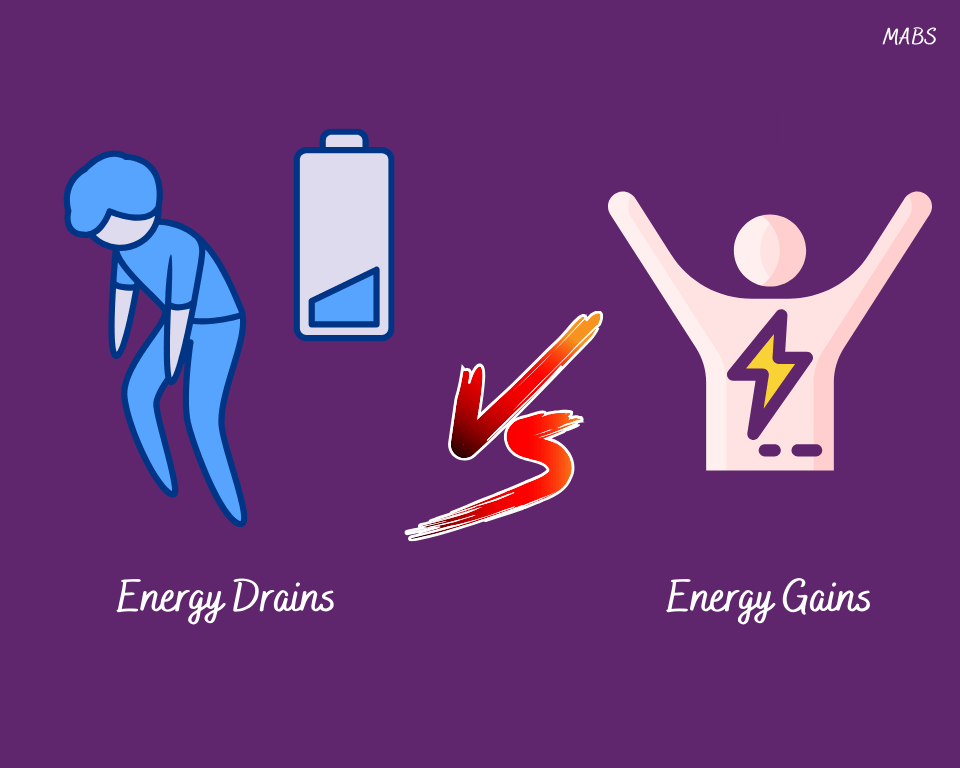
Energy Drains vs Energy Gains

Energy Drains Vs Energy gains

Do you ever feel drained entirely by midday? Are you wondering where all your energy went? Or have you experienced days when you feel unstoppable, full of motivation and vitality? The difference often lies in the subtle choices we make every day.

Energy drains are those habits, activities, or even environments that quietly sap your strength, leaving you tired, stressed, or unproductive. On the other hand, energy gains are the nourishing routines and uplifting moments that recharge your mind, body, and spirit.

Common Energy Drains

Energy drains can sneak into your life through habits, environments, and choices that initially seem harmless but add up over time, leaving you exhausted and unmotivated. Identifying these drains is the first step toward regaining control of your energy. 

1. Not getting enough sleep

Free An Asian woman lying awake in bed, reflecting on her thoughts during a sleepless night. Stock Photo
Not getting enough sleep

Sleeping less than 8 hours a night disrupts your body’s natural recovery process, leaving you tired and sluggish.  

2. Eating too much sugar

Free A stack of doughnuts covered in colorful fruity pebbles on a plate. Stock Photo
Sugar doughnuts

Sugar causes energy spikes followed by inevitable crashes, making you feel drained.  

3. Drinking too much coffee

Free A warm coffee sits beside a notebook and smartphone on a foggy day. Stock Photo
Too much coffee

More than one cup of coffee daily can lead to jitteriness and disrupt your sleep, creating a fatigue cycle.  

4. Skipping meals

Missing meals deprives your body of essential nutrients and energy, leading to sluggishness.  

5. Eating junk and processed food

Free Delicious cheeseburger with fries and ketchup served on a wooden plate, perfect for lunch or snack. Stock Photo
Fast food

Foods made in factories, such as chips and fast food, provide empty calories that don’t effectively fuel the body.  

6. Consuming bread and dairy excessively

Free Warm banana bread with a glass of milk on a wooden table in a cozy cafe ambiance. Stock Photo
Milk

These can cause bloating or fatigue in some people, especially if they are sensitive to these foods.  

7. Drinking too much alcohol

Free An array of various liquor bottles beautifully displayed on a bar shelf. Stock Photo
Alcohol

More than three glasses of wine or other alcoholic drinks per week can negatively affect your sleep and energy levels.  

8. Working too much

Free A person working on a laptop in a warmly lit cafe in London, England. Stock Photo
Working too much

Long hours without proper breaks can lead to burnout and mental fatigue.  

9. Spending excessive time on screens

Too much time on the computer or watching TV strains your eyes and diminishes your mental focus.  

10. Skipping exercise

Not moving your body at least four times a week reduces your physical stamina and energy levels.  

11. Staying indoors all-day

Free African American woman reading a Braille book on a couch, emphasizing disability pride and literacy. Stock Photo
Staying indoors

Lack of fresh air and sunlight can lead to feelings of lethargy and even lower your mood.  

12. Neglecting meaningful connections

Not spending time with friends or loved ones can leave you feeling isolated and emotionally drained.  

13. Toxic Relationships  

Free A couple sits in tension on a bench surrounded by nature, holding colorful blocks spelling 'Love'. Stock Photo
toxic relationships

Hostile or manipulative individuals can drain your energy by fostering feelings of stress, self-doubt, or emotional exhaustion. Examples are constant complainers, overly critical people, or those who don’t respect your boundaries.

14. Overcommitting Socially  

Saying “yes” to every invitation or favor can drain your time and energy, leaving little room for rest or self-care.

15. Shallow Connections  

Free A comforting scene of empathy and support between two women sitting on a sofa indoors. Stock Photo
shallow connections

Engaging in surface-level conversations or spending time with people who don’t align with your values can feel unfulfilling and draining.

16. Excessive Social Media Use  

Free A person's hand holding a smartphone displaying social media and communication apps. Stock Photo
social media

Mindlessly scrolling through social media can lead to comparison, FOMO (fear of missing out), and reduced mental clarity.

17. Neglecting Alone Time  

Alone time is important so you can process your feelings and rejuvenate your energy. Use your time alone to work and journal and reflect.

Why Does Addressing Energy Drains Matters  

Ignoring these energy drains can lead to long-term consequences, including chronic fatigue, decreased productivity, and emotional burnout. You can begin making small but impactful changes to reclaim your vitality by identifying which drains affect you the most.  

Before you can eliminate energy drains, you need to identify what’s depleting your energy in the first place. While some drains are universal—like poor sleep or unhealthy eating—others may be unique to your lifestyle, environment, or habits.

How To Pinpoint Your Biggest Energy Drains

Take a few days to track your activities, emotions, and physical feelings. Write down

What are you doing at various points in the day?

  • How does each activity make you feel—energized or drained?  
  • Do you notice any patterns, like feeling exhausted after certain meals or sluggish during specific tasks?

Example: Do you feel fatigued after spending hours on your computer? Or does a late-night snack leave you struggling to wake up?  

Common Energy Gains

Now that you’ve identified what’s draining your energy, it’s time to focus on the habits, activities, and routines that can recharge you. Energy gains are the practices that nourish your body, uplift your spirit, and sharpen your mind. Integrating these into daily life can boost your vitality and make you feel more balanced.

1. Eat a high-protein breakfast

Free Savor this delicious avocado toast topped with soft-boiled eggs and garnished with pomegranate seeds. Stock Photo
eggs

Start your day with foods like eggs or a protein shake to sustain energy levels throughout the morning.  

2. Focus on fresh, whole foods

Free Avocado, kale, and more fresh produce artfully arranged on a marble surface. Stock Photo
fresh produce

Incorporate unprocessed, nutrient-dense options like vegetables, fruits, and lean proteins. Aim for 10 servings of vegetables daily.  

3. Snack smart

Add protein-packed snacks mid-morning and afternoon to maintain consistent energy levels.  

4. Avoid late-night eating

Refrain from eating three hours before bedtime to ensure quality sleep.  

5. Take essential vitamins

Support your energy with multivitamins, fish oil, and vitamin D supplements.  

6. Stay hydrated

Free A young man drinks bottled water outside, staying hydrated and refreshed. Stock Photo
drink water

Drink 6-8 cups of filtered water daily to keep your body functioning optimally.  

7. Engage in outdoor activities

Free Friends having a fun picnic in the park with a Shih Tzu, enjoying a sunny day outdoors. Stock Photo
Picnic

Run in the woods, swim in lakes or rivers, or play sports like tennis to combine movement with nature’s rejuvenating power.  

8. Move regularly

Free Side view of a young woman jogging on a beach wearing pink active wear. Stock Photo
Run

Incorporate at least four weekly workouts to build stamina and improve physical health.  

9. Spend time in nature

Free An elegant woman in traditional Ao Dai appreciating the beauty of pink blossoms. Stock Photo
Nature

A short walk outside can boost your mood and energy.  

10. Hug loved ones

Free A couple embraces while walking in a sunlit park, conveying love and togetherness. Stock Photo
hug

Physical affection, like hugging your kids or spouse, can instantly lift your mood.  

11. Connect with friends

Spend quality time talking to friends or hosting dinner parties for meaningful connections.  

12. Help others

Volunteering or assisting someone in need fosters a sense of purpose and fulfillment.  

13. Cook for family and friends

Free A joyful family scene with a mother, father, and child preparing a meal in a modern kitchen. Stock Photo
Cooking with family

Being creative in the kitchen can be relaxing and rewarding.  

14. View your day as sacred

Treat each day like a blank canvas, intentionally shaping it to create joyful and meaningful experiences.  

15. Learn something new

Explore fascinating aspects of the world and the people around you to stay curious and inspired.  

Tips for Integrating Energy Gains

Incorporating these energy gains into your daily routine will significantly improve how you feel, think, and perform. The following section will explore strategies to balance energy drains and gains for a sustainable, energized life.

Start small

Replace one energy-draining habit with an energy-gaining one. For instance, swap a sugary breakfast with a high-protein alternative.  

Schedule gains into your day

Set aside time for activities that recharge you, like morning walks or evening socializing.  

Celebrate your wins

Acknowledge the positive changes you make, no matter how small—they add up over time.  

Strategies to Balance Energy Drains and Gains

Free A cheerful woman smiles at her reflection in a vintage-style mirror, exuding positivity and warmth. Stock Photo
Happy

Life is about balance, and while it’s impossible to eliminate all energy drains, you can learn to manage them effectively while maximizing your energy gains. Here are practical strategies to create a sustainable energy flow throughout your day.

Replace Drains with Gains

For every energy-draining habit you identify, aim to replace it with an energy-giving alternative.  

Instead of skipping breakfast (an energy drain), start your day with a high-protein breakfast (an energy gain).  

Swap excessive screen time with an outdoor walk or a creative activity like cooking.  

Set Boundaries Around Drains  

Not all energy drains can be eliminated, but you can manage their impact:  

  • Limit work hours by setting specific start and end times.  
  • Use apps or timers to restrict screen time.
  • Politely decline commitments that overextend your energy, focusing on what truly matters.

Prioritize Energy Gains in Your Routine  

Make energy-giving habits a non-negotiable part of your day.  

Morning: Start with a nourishing breakfast and light movement like stretching or walking.  

Midday: Take a break to enjoy a protein-rich snack, hydrate, and recharge with a short nature walk or a few minutes of mindfulness.  

Evening: End your day with a calming activity, like reading, journaling, or spending time with loved ones.  

Use an Energy Budget  

Treat your energy like money in a bank account—be intentional about how you spend it.  

  • Identify activities that drain your energy and limit how much time you devote to them.  
  • Invest your energy in activities that bring the highest returns, such as meaningful connections, exercise, and creative pursuits.

Pro Tip: Start your day with energy-giving activities to set a positive tone for the rest of the day.  

Create a Balance Plan  

Develop a strategy for balancing energy gains and drains:  

  • List your top 3 energy drains and a corresponding list of 3 energy gains.
  • Pair each drain with a gain to neutralize its impact.

Schedule a 10-minute midday walk to recharge if work drains you.  

Conclusion

Your energy isn’t just something you use—it’s something you can shape, build, and protect. Imagine waking up daily with the vitality and focus to do what you love and make meaningful progress toward your goals. That vision starts with small, intentional actions today.

Take the first step toward your energy transformation: swap one energy drain for an energy gain and watch the positive ripple effect unfold. *Your best, most energized self is waiting—go claim it!* 

Use an energy tracker to help you identify your energy drains and gains and build a routine that works for you! 

Vision Board Ideas for 2025: Create a Vision Board That Truly Manifests Your Dreams

vision board template

A vision board is a tangible or digital representation of your dreams and goals. It’s like a personal roadmap filled with inspiration to help you visualize your desired future. What you include on your vision board should reflect the aspirations that matter most to you.

What is in a vision board?

They often include images, quotes, symbols that are personal and help remind you of your goals.

Images, Photos, and Illustrations

Pictures are the heart of a vision board. They evoke emotions and create a clear mental image of your goals. These could include:

  • Photos of destinations you’d like to visit.
  • Images representing your dream home or car.
  • Illustrations symbolizing personal milestones like a degree or promotion.

Words and Affirmations

Powerful words and affirmations act as reminders of what you’re striving for. These could be:

  • Single words like  “God”, “Health,” “Success,” or “Love.”
  • Phrases such as “I am thriving” or “I am worthy of success.”
  • Personalized mantras that resonate with your journey.

Quotes and Mantras

Inspirational quotes from people you admire or lines that give you strength can keep you motivated. For example:

  • “The future belongs to those who believe in the beauty of their dreams.” – Eleanor Roosevelt.
  • A religious or spiritual mantra if it aligns with your beliefs.
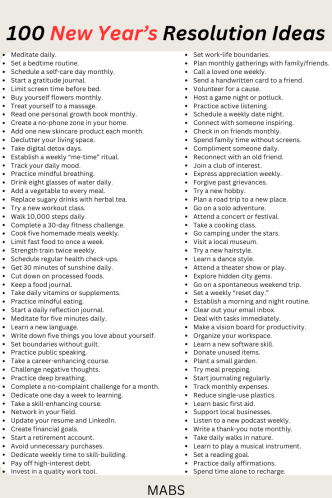
New Year's resolutions
New Year’s resolutions

Symbols or Representations

Sometimes, you may not find the exact image you’re looking for, but symbols can work just as well.

  • A heart symbol to represent love.
  • A dollar sign for financial goals.
  • A tree symbolizing personal growth.

A Personal Touch

Your vision board should reflect who you are. Add things like:

  • A handwritten goal or letter to your future self.
  • Tickets, postcards, or mementos tied to your dreams.

By thoughtfully including these elements, your vision board mirrors your aspirations, making it easier to stay focused and inspired. Each piece you add should resonate deeply with your goals, creating a tool that motivates you daily.

Vision board Canva template

What Is the Major Rule for Creating a Vision Board?

The most important rule for creating a vision board is this: Make it personal and meaningful. Your vision board is not just a collection of pretty pictures or trendy quotes—it’s a profoundly personal tool designed to reflect your unique dreams and aspirations.

2.1 Align It with Your Authentic Goals

Your vision board should represent what you genuinely want, not what society, family, or friends think you should pursue. Ask yourself:

  • What does success look like to me?
  • What are my short-term and long-term goals?
  • What brings me joy, purpose, and fulfillment?

Be Specific

Clarity is key. Vague goals lead to vague results, so ensure your vision board includes specific and detailed representations of your dreams. For example:

  • Instead of “travel,” include a picture of the Eiffel Tower to symbolize a trip to Paris.

Replace “get fit” with an image of someone performing your favorite workout or running a marathon.

Ensure Emotional Connection

Every image, word, or symbol on your vision board should stir a strong emotional response. It might not belong there if it doesn’t inspire excitement, motivation, or happiness. Choose elements that light a spark within you.

Keep It Positive

Focus on what you want rather than what you want to avoid. For instance:

  • Instead of “Stop being broke,” include affirmations like “I am financially abundant.”
  • Replace “Lose weight” with “I am strong, healthy, and confident.”

Make It Action-Oriented

While visualization is powerful, a vision board should also encourage action. Incorporate reminders of the steps you need to take to achieve your goals.

  • Add a picture of running shoes to motivate you to start jogging.
  • Include a checklist symbol to remind you of daily tasks to help you reach your goals.

Following these rules when making your vision board transforms it from a simple collage into a powerful tool for achieving your dreams. By staying true to yourself and focusing on what truly matters, your vision board becomes a daily reminder of your potential and a motivator to turn your goals into reality.

How to Make a Vision Board That Works

A vision board isn’t just about pasting pictures on a board; it’s about creating a visual representation of your goals that actively inspires and motivates you to take action.

Vision board Canva template

Step 1: Define Your Goals

  • Reflect on what you want in your career, relationships, health, finances, and personal growth.
  • Write down your goals. The more clarity you have, the better your vision board will resonate with you.

Step 2: Gather Materials

  • For a physical vision board, you need a sturdy board, magazines, newspapers, scissors, glue, markers, and stickers.
  • For a digital vision board, you need tools like Canva, Pinterest, or vision board apps to create your design for a digital vision board.

Step 3: Add Inspiring Elements

  • Choose visuals that evoke strong emotions and represent your goals.
  • Include affirmations, mantras, and power words like “Success,” “Gratitude,” or “Balance.”

Step 4: Make It Personal

  • Add items that reflect your individuality, like photos of yourself or loved ones.
  • Handwritten notes or letters to your future self.

Step 5: Place It Somewhere Visible

Position your vision board where you’ll see it daily, such as in your bedroom or workspace or as a screensaver for a digital version. Regular exposure keeps your goals at the top of your mind.

Step 6: Use It Actively

  • Spend a few minutes each day looking at your vision board and imagining yourself achieving your goals.
  • Use your vision board as a motivator to work toward your dreams. Pair visualization with concrete steps to make your goals a reality.
  • Update your vision board as you achieve goals or refine your aspirations.

Host a Vision Board Party

Creating a vision board is a powerful experience, but sharing the process with others can make it more meaningful and fun. Hosting a vision board party is a great way to gather friends, foster creativity, and set goals together.

Step 1: Plan Your Vision Board Party

  • Pick a date and time
  • Host at your home, a cozy café, or even virtually using platforms like Zoom.
  • Send out invitations with details about the event and encourage attendees to bring their dreams, goals, and open minds.

Step 2: Gather Supplies

  • For in-person events, provide:
    – Boards (poster boards, corkboards, or notebooks).
    – Magazines, newspapers, or printed images for cutting.
    – Scissors, glue sticks, markers, stickers, and decorative items.
  • For virtual parties, ask participants to prepare their materials in advance or guide them on creating digital vision boards using tools like Canva or Pinterest.

Step 3: Set the Mood

  • Play uplifting music or calming background tunes.
  • Light candles or set out motivational books for inspiration.
  • Use themed decorations to enhance creativity and focus.
  • Provide snacks and drinks

Step 4: Share and Motivate

  • If comfortable, have friends present their boards and explain their vision.
  • Discuss how to use their vision boards daily and remind them to take actionable steps toward their goals.

Step 5: Follow Up

After the party, check in with your guests to see how they use their vision boards. This accountability can encourage everyone to stay on track.

Frequently Asked Questions About Vision Boards

If you’re new to vision boards or have lingering questions, this section covers some of the most commonly asked questions to help you get started with clarity and confidence.

Can My Vision Board Be Digital?

Absolutely! A digital vision board is a great alternative, especially for those who prefer convenience and portability.

With a digital vision board, you can:

  • Use apps like Canva or tools like Pinterest to create your board.
  •  Set it as your phone or desktop wallpaper for daily reminders.
  • Easily update it as your goals evolve.

Can a Vision Board Be Just Words?

Yes, if that resonates with you, a vision board can be entirely text-based. Words, affirmations, and quotes can be compelling when they are meaningful and aligned with your goals.

  • A board filled with empowering affirmations
  • Descriptive phrases outlining specific goals, such as “I will get a flat tummy this year.”

What Does a Vision Board Do?

A vision board serves as a visual reminder of your goals, keeping them at the forefront of your mind. It helps by:

  • Encouraging daily visualization of your aspirations.
  • Motivating you to take actionable steps.
  • Reinforcing your belief in achieving your dreams.

When Should I Make My Vision Board?

The best time to create a vision board is:

  • At the beginning of the year or a new season.
  • During significant life transitions, like starting a new job or moving to a new place.
  • Anytime you feel the need to refocus your goals or gain clarity.
  • Don’t feel restricted to a specific time—what matters is your readiness to set and work toward your goals.

Where Should I Put My Vision Board?

Place your vision board somewhere you’ll see it daily to keep your goals in mind. Suggestions include:

  • Your bedroom wall or closet door.
  • Above your desk in your workspace.
  • On your phone or computer screen if it’s a digital version.

The goal is to integrate it into your daily routine so that it becomes a constant source of inspiration.

7 Books About Achieving Your Goals

Conclusion

Creating a vision board is more than just a creative project; it’s a powerful tool for clarifying dreams, staying motivated, and taking actionable steps toward goals. By incorporating meaningful images, words, and symbols that truly resonate with you, your vision board becomes a personal roadmap to success.

Remember, the key is to make it personal, keep it positive, and actively engage with it every day. Whether you choose a physical board, a digital one, or even host a vision board party, the process itself is an inspiring journey of self-discovery and goal-setting.

Ready to create your vision board? Grab your materials, gather your inspiration, and let your dreams take shape today. Don’t forget to tag us in your posts to share your vision board journey!


Embracing the Spirit of Christmas

Embracing the true spirit of Christmas involves more than just the external festivities—it’s also a time for nurturing joy, health, and personal well-being. 

Before you go on to read, if you haven’t gotten your loved one a gift, we recommend our coloring book.

Best Things to Do on Christmas Day        

1. Volunteering

One of the most fulfilling ways to capture the essence of Christmas is through giving back. Volunteer at a local shelter or organize a gift drive. The joy of helping others brings the true spirit of the season to life.

Utilize your professional skills to support non-profits without leaving your home. Whether graphic design, web development, or digital marketing, platforms like Catchafire allow you to connect with non-profits needing specific skills.

2. Home Decoration

Transform your home into a festive haven. Engage the whole family in decorating the tree, setting up lights, and crafting homemade decorations. This not only beautifies your home but also creates cherished memories.

3. Attend Local Events

Check out local Christmas markets, concerts, or plays. Such events often provide a taste of local traditions and crafts, perfect for embracing the community spirit of Christmas.

4. Virtual Gatherings

For those far from loved ones, virtual gatherings can bridge the gap. To feel connected despite the distance, organize a virtual Christmas dinner or a gift-opening session.

Things you can do with your family if they are far away

When family members are spread across different locations, maintaining strong bonds can be challenging but rewarding with a bit of creativity. Here are several activities you can enjoy together, even when you’re far apart:

  • Virtual Family Dinners or Coffee Dates
  • Online Game Nights
  • Movie Nights with Watch Parties
  • Virtual Book Club
  • Shared Photo Albums
  • Storytelling Sessions
  • Art and Craft Projects
  • Fitness Challenges
  • Learn Something New Together
  • Virtual Tours

These activities help keep the family connected despite the distance and enrich your relationships through shared experiences and new memories.

Healthy Food Ideas for Christmas

1. Roasted Turkey with Herbs

Opt for a roasted turkey seasoned with rosemary and thyme. These herbs are not only flavorful but also healthier alternatives to heavy sauces.

2. Veggie Platters

Brighten your Christmas table with vibrant veggie platters and healthy dips like hummus or yogurt-based sauces.

3. Fresh Fruit Desserts

Instead of traditional heavy desserts, try serving fresh fruit salads or baked apples with cinnamon. These alternatives satisfy the sweet tooth without the extra calories.

4. Seafood Delights

Incorporate seafood dishes like grilled salmon or shrimp cocktails, which are lighter and packed with healthy fats.

Self-Growth Tips for Christmas

Christmas can be an ideal time for self-growth, as it provides a break from the usual routines, a chance to reflect on the year’s progress, and a chance to set goals for the new year.

1. Reflect on the Past Year

Take the time to reflect on what the past year has brought you, including the challenges you’ve overcome and the successes you’ve achieved. This can help you appreciate your growth and set a more informed direction for the coming year.

2. Set New Goals

Use the downtime during the holidays to set personal and professional goals for the new year. These could be related to career advancement, individual skills, health, or relationships.

3. Read and Learn

Christmas break provides an excellent opportunity to catch up on reading, whether it’s books, articles, or educational material that can inspire and motivate you. Consider choosing reads that align with your goals for self-improvement.

4. Start a New Hobby

Picking up a new hobby can be a fulfilling way to expand your skills and interests. Whether learning a musical instrument, painting, or coding, engaging in a new activity can stimulate your creativity and enhance your life.

5. Practice Mindfulness and Meditation

The end of the year is a perfect time to start or deepen a mindfulness practice. Meditation, journaling, or yoga can improve your mental well-being and help you enter the new year with a calm, clear mind.

6. Connect with Loved Ones

Use this time to strengthen bonds with family and friends. Deep, meaningful conversations can offer new perspectives and insights, aiding personal growth and understanding.

7. Digital Detox

Consider taking a break from digital devices to reconnect with yourself and your surroundings. A digital detox can help reduce stress and increase your presence in the moment, allowing for deeper personal reflection and connection.

8. Attend Workshops or Seminars

Look for any workshops or seminars that might be happening during the holiday season, which could provide new knowledge and skills that aid in your personal development.

9. Plan Your Year

Create a vision board or a detailed plan that outlines what you want to achieve in the next year, breaking down larger goals into manageable steps. This can help keep you motivated and on track.

Christmas Beauty Tips

Christmas is also an excellent time to focus on beauty maintenance and self-care, ensuring you look and feel your best for all the festivities.

1. Hydration

With the busy pace of the holidays and colder weather, staying hydrated is crucial. Drink plenty of water to keep your skin hydrated from the inside out. This can help maintain its elasticity and radiance.

2. Moisturizing

Invest in a good quality moisturizer suited to your skin type. Winter air can be dry and harsh, so a heavier, nourishing moisturizer might be needed to protect and hydrate your skin effectively.

3. Sun Protection

UV rays can be harmful even in winter. Apply broad-spectrum sunscreen every morning, especially if you’ll be spending time outdoors or near reflective surfaces like snow.

4. Gentle Skin Care

The festive season often brings late nights and more makeup use. Opt for gentle skincare products that cleanse without stripping moisture. Make sure to remove makeup before bed to prevent breakouts and skin irritation.

5. Exfoliation

Regular exfoliation can help revitalize your skin by removing dead skin cells and promoting cell turnover. Choose a gentle product on your skin to avoid irritation during the colder months.

6. Healthy Diet

Your skin reflects what you eat, so maintain a diet rich in fruits, vegetables, lean proteins, and healthy fats. Foods high in antioxidants can help combat skin damage and give you a healthy glow.

7. Hair Care

Winter can be tough on hair, leading to dryness and breakage. Use a hydrating conditioner and consider applying a weekly hair mask to keep hair shiny and healthy.

8. Sleep

Ensure you get plenty of rest. Sleep is a critical component of health and beauty, helping to repair your skin, refresh your eyes, and improve your overall energy levels.

9. Lip Care

Chapped lips are typical in winter. To keep them smooth and soft, use a hydrating lip balm with ingredients like shea butter or vitamin E, and exfoliate your lips gently with a sugar scrub.

10. Festive Touches

Incorporate some festive colors into your beauty routine. A touch of shimmer on your eyelids, red lipstick, or glittery nail polish can add holiday cheer to your appearance.

Conclusion

Christmas is not just a time for traditional celebrations; it’s also an opportunity for personal growth, maintaining health through nutritious eating, and keeping beauty routines amidst the winter challenges. You can make the most out of the holiday by engaging in virtual activities with loved ones, focusing on self-improvement, opting for healthy festive meals, and taking care of your physical appearance.

Did you find this article valuable?

The Power of Self Awareness

self awareness

How well do you honestly know yourself?

In a world that constantly pulls us in a thousand different directions, it’s easy to lose sight of who we are and what we stand for. Yet, self-awareness, the art of understanding our thoughts, emotions, and behaviors, is key to personal fulfillment and meaningful relationships.

Our sense of self shapes our decisions, how we interact with others, and how we respond to life’s challenges. When we’re self-aware, we become more in tune with our values, strengths, and areas for growth. We also gain the clarity needed to live authentically rather than simply reacting to external circumstances.

In this blog, we’ll explore its benefits, discuss how to cultivate it, and uncover strategies for overcoming the common obstacles that can make it elusive. 

So, are you ready to embark on the journey of self-discovery?

What Is Self-Awareness?

Self-awareness is the ability to recognize and understand your thoughts, emotions, and behaviors and how they influence your actions and impact the people around you. But self-awareness isn’t just about knowing yourself internally; it also involves understanding how others perceive you. Knowing who you are is the foundation of personal growth. Two forms of self-awareness are:

  • Internal self-awareness
  • External self awareness

Internal Self-Awareness

Internal self-awareness is the deep understanding of your values, passions, strengths, and weaknesses. It’s knowing what drives you, what stresses you out, and what brings you joy. It allows you to align your actions with your true self.

External Self-Awareness

External self-awareness focuses on understanding how your behaviors affect others and how the outside world views you. Knowing this can help you build connections, communicate more effectively, and develop empathy.

The Benefits of Self-Awareness

Self-awareness builds emotional intelligence, fosters better decision-making, promotes stronger relationships, and enables personal growth.

Emotional Intelligence

Emotional intelligence (EI) refers to the ability to recognize, understand, and manage our own emotions while also being able to identify, understand, and influence the feelings of others. It encompasses skills such as emotional awareness, empathy, and emotional regulation, essential for building strong relationships, managing stress, and navigating social complexities.

One of the most significant contributors to developing emotional intelligence is self-awareness. When you understand your emotions, you can manage them more effectively. Self-awareness helps you recognize your emotional triggers, allowing you to respond rather than react in stressful situations. This leads to healthier emotional regulation and improved interpersonal skills.

As you cultivate a deeper understanding of yourself, you enhance your capacity for emotional intelligence, ultimately improving your personal and professional relationships.

Better Decision-Making as a Benefit of Self-Awareness

Self-awareness plays a crucial role in enhancing decision-making skills. Possessing a strong sense of self-awareness makes you better equipped to navigate the complexities of your choices, leading to more thoughtful, informed, and effective decisions. When you’re clear about your values and goals, you can make decisions that align with your authentic self. You’re less likely to be swayed by outside pressures and more likely to make choices that bring long-term satisfaction.

This connection between self-awareness and decision-making can be observed across various aspects of life, including personal relationships, professional settings, and individual growth.

Stronger Relationships 

Self-awareness is vital to building and maintaining strong, healthy relationships. When you possess a heightened self-awareness, you can communicate more effectively, empathize with others, and navigate interpersonal dynamics more easily. The benefits of self-awareness extend beyond the individual; they also profoundly impact relationships with family, friends, colleagues, and partners. Understanding how your actions affect others can lead to deeper, more meaningful connections and less conflict in relationships.

Self-awareness is a powerful catalyst for stronger relationships. It enriches interpersonal connections by improving communication, enhancing empathy, facilitating conflict resolution, setting healthy boundaries, fostering personal accountability, and encouraging continuous growth.

Conclusion

In today’s fast-paced and often emotionally charged world, investing in self-awareness is beneficial and essential for success and happiness in all aspects of life.

With emotional intelligence, you enhance your understanding of yourself and deepen your relationships with others. In a world where connections can often feel superficial, the benefits of self-awareness shine through, fostering meaningful bonds built on trust, respect, and understanding. Ultimately, stronger relationships contribute to overall well-being, creating a supportive network that enhances the richness of life.

Did you find this article helpful? Leave a comment below