Why Every Medical Student Should Volunteer

Parkinson disease

Being a medical student isn’t just about memorizing facts or passing exams. It’s about preparing for a career where your decisions and compassion directly impact lives. While lectures, labs, and clinical rotations play their part, one powerful (and often overlooked) way to grow during your medical journey is through volunteering.

Whether you’re assisting at a hospital, helping at a free clinic, or participating in community outreach programs, volunteering as a medical student offers a range of benefits that extend far beyond academics.

Here’s why it’s worth your time—even when your schedule is already packed.

How to Start Volunteering as a Medical Student A Simple 6-Step Guide

“Volunteering in rural areas helped me understand the public health gaps in my country—and that inspired me to pursue global health.”
Ife, 4th-year medical student

Want to know how to get involved in meaningful volunteer work that complements your journey? Download this FREE checklist PDF to get started today.


1. Hands-On Experience

Volunteering gives you real-world exposure to medical environments that textbooks can’t replicate. Whether you’re shadowing doctors, helping with administrative tasks, or offering basic care, you’re getting a front-row seat to medicine in action.

One underrated but powerful way to volunteer is by offering your digital skills—like writing for medical websites or creating educational graphics. We live in a digital world, and helping healthcare professionals spread knowledge online goes a long way.

This experience helps you:

  • Bridge the gap between theory and practice
  • Get exposure to different specialties and patient populations
  • Build comfort and confidence in clinical settings

It’s a valuable preview of your future role—and a head start on becoming the kind of doctor patients trust.

2. Boosts Your Résumé

Volunteering showcases more than just skills—it highlights your character. Residency programs and employers look for candidates who take initiative, give back to their communities, and pursue growth beyond the classroom.

It shows that you:

  • Are committed to healthcare beyond grades
  • Have a passion for service
  • Are willing to go the extra mile

These are the qualities that set you apart during interviews and applications.

3. Networking Opportunities

Volunteering isn’t just about service—it’s about connection. You’ll meet doctors, nurses, public health professionals, and peers who could become lifelong mentors or collaborators. Building your network early opens doors you didn’t even know existed. 

Benefits include:

  • Insightful career advice
  • Letters of recommendation
  • Opportunities for research or shadowing

Last summer, I volunteered with an organization supporting lupus warriors. I managed content and helped design materials. During that time, I learned so much about lupus, improved my leadership and communication skills, and made great friends. That experience changed me.

4. Development of Essential Soft Skills

Medicine is about more than clinical knowledge. Volunteering allows you to develop the interpersonal skills that define excellent healthcare providers.

You’ll sharpen skills like:

  • Empathy: Connecting with patients on a human level
  • Communication: Explaining medical concepts clearly and kindly
  • Teamwork: Adapting, supporting, and collaborating in diverse environments

These “soft” skills are the heartbeat of medical care.

5. Personal Fulfillment

Volunteering gives meaning to your long hours of study. Whether you’re educating a community, comforting a patient, or simply showing up—you’re making a real difference.

This impact:

  • Boosts your sense of purpose
  • Keeps you motivated through tough academic seasons
  • Reaffirms your ‘why’ for pursuing medicine

In a field as demanding as medicine, emotional fuel like this is invaluable.

6. Reality Check

The medical field isn’t always glamorous. Volunteering offers a safe space to witness its emotional, ethical, and logistical challenges.

It helps you:

  • Test your resilience and stress tolerance
  • Discover your strengths and limitations
  • Make informed decisions about your specialty and career path

Better to find out now what you’re made of—before the stakes get higher.

Where to Start Volunteering Today:

  • Red Cross
  • Volunteer Match
  • Student-run clinics or local NGOs
  • Hospitals, public health campaigns, digital health platforms

Conclusion

Volunteering as a medical student is one of the smartest, most fulfilling choices you can make. You’re not just gaining experience and boosting your résumé—you’re growing as a human being. You’re developing the empathy, wisdom, and resilience that medicine demands.

So whether it’s a few hours a month or part of your summer break, make space in your journey to give back. The more you serve, the more you gain.

What’s one volunteer experience that changed your perspective? Share in the comments below!

Want to know how to get involved in meaningful volunteer work that complements your journey? Download this FREE checklist PDF to get started today.
Why You Should Be Eating More Mangoes

mango held in hand in a pink background

Key Points

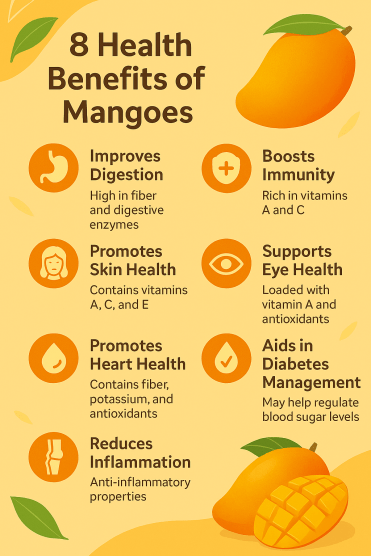
  • Research suggests mangoes offer numerous health benefits, including improved digestion, boosted immunity, and better skin health.
  • It seems likely that mangoes can support heart health, aid diabetes management, and reduce inflammation, though moderation is key for diabetics.
  • The evidence leans toward mangoes helping prevent certain cancers and supporting eye health, but more studies are needed for confirmation.

Some people call mangoes the “king of fruits.” In this regard, mangoes have to be one of my top favorite fruits. In Africa, during mango season, you’ll see lots of kids sucking on a mango, with its juices dripping down their jaws and forearms. However, beyond their taste, they’re packed with nutrients like vitamins A, C, and fiber, making them a great addition to a balanced diet. This article will explore how they can benefit your health in various ways, and we will also discuss the different ways we can incorporate more mangoes into our diet.

Mangoes (Mangifera indica) are a tropical stone fruit, part of the drupe family, known for their sweet, creamy taste and vibrant golden-yellow flesh.

Nutritional Profile and Caloric Content

Mangoes are low in calories, with one cup (165 grams) containing about 99 calories, making them a nutrient-dense choice. They provide 22.5 grams of sugar and 2.6 grams of fiber per cup, contributing to their role in various health benefits. Their nutritional breakdown includes:

  • Vitamin C: 60.1 mg (67% DV)
  • Vitamin A: 89.1 mcg RAE (10% DV)
  • Potassium: 277 mg (5.89% daily needs)
  • Folate: 71 mcg (18% DV)
  • Vitamin B6: 12% DV
  • Copper: 20% DV
  • Vitamin E (10% DV)
  • Vitamin K (6% DV)
  • Niacin (7% DV)

This profile makes mangoes a versatile fruit, supporting multiple bodily functions from immunity to digestion. Dried mango, however, has higher calories (510 per cup, 160 grams) and sugar (106 grams), so fresh is preferred for lower calorie density.

Digestive Health Benefits

Mangoes are excellent for digestion, offering both soluble and insoluble fiber (2.6 grams per cup), which aids in preventing constipation and supporting gut microbiome health.

A study highlighted their effectiveness over soluble fiber supplements for constipation relief in a 4-week study. They also contain digestive enzymes like amylases, which break down food, improving gut health and reducing bloating.

Immune System Support

Mangoes are a powerhouse for immunity, providing nearly 75% of the daily value for vitamin C and 10% for vitamin A per cup. Vitamin C is crucial for producing disease-fighting white blood cells, while vitamin A supports skin and mucous membrane health, acting as barriers against pathogens. Additional nutrients like copper, folate, and vitamin E further enhance immune function by aiding cell growth and repair.

Skin and Hair Health

Ever wondered why many skin products contain mango extracts? That’s because they know mangoes are good for the skin. Mangoes are rich in vitamins A, C, and E, which act as antioxidants to protect against free radical damage from pollution and UV rays. Vitamin C supports collagen production, essential for firm, youthful skin, while beta-carotene (1,060 mcg per cup) helps maintain a healthy skin tone and may prevent premature aging. Vitamin A also moisturizes the hair by providing sebum and supports tissue growth. This makes mangoes a natural ally for skincare—some people even use mashed mango as a DIY face mask.

Bonus: Try This DIY Mango Face Mask
Mix:

  • 2 tbsp mashed ripe mango

  • 1 tsp honey

  • 1 tsp plain yogurt
    Apply for 10–15 minutes, then rinse for smooth, glowing skin.

Cancer Prevention

Mangoes contain over a dozen polyphenols, including mangiferin, gallic acid, and quercetin, linked to reduced cancer risks. These antioxidants combat oxidative stress, potentially lowering risks for colon, breast, lung, and neuronal cancers. Beta-carotene may also help prevent skin cancer, and vitamin A boosts immune system action against cancer cells.

Eye Health Support

Mangoes support eye health with vitamin A (10% DV per cup), crucial for preventing night blindness and maintaining vision. They also contain lutein (38 mcg per cup) and zeaxanthin, antioxidants that protect against harmful blue light and may reduce age-related macular degeneration (AMD) risk. These compounds act like natural sunglasses, filtering out damaging light, making mangoes a tasty way to care for your eyes, especially for screen-heavy lifestyles.

Cardiovascular Health Promotion

For heart health, mangoes offer potassium (277 mg per cup, 5.89% daily needs), which regulates blood pressure by counteracting sodium effects, reducing hypertension risk—a major factor in heart disease and stroke. Their fiber (2.6 grams per cup) also lowers total and LDL cholesterol, supporting cardiovascular health.

Mangiferin also plays a big role in making mangoes a heart-friendly fruit, especially when paired with a low-sodium diet.

Diabetes Management Aid

Contrary to myths, mangoes can fit into a diabetes-friendly diet when consumed in moderation (about one cup daily). Their low glycemic index, combined with 2.6 grams of fiber per cup, helps regulate blood sugar levels, reducing spikes after meals.

How to Add More Mangoes to Your Diet

Looking for ways to enjoy this juicy fruit beyond just slicing it? Try these:

  • Blend into a smoothie with banana and yogurt

  • Add chopped mango to your salad

  • Make mango salsa for tacos or grilled chicken

  • Toss frozen mango chunks into oatmeal or yogurt

  • Freeze them for a refreshing snack

  • Use in overnight oats or chia pudding

While mangoes offer many benefits, moderation is key, especially for diabetics, with a recommended limit of about two cups (330 grams) daily due to high natural sugar (22.5 grams per cup). Fresh mango is preferred over dried for lower calorie density. Cutting tips can be found at how to cut a mango. Pairing with protein or healthy fats can enhance benefits, and they’re versatile for breakfast, snacks, or desserts.

Beyond eating, mangoes are used in frozen fruit bags, trail mixes, salsas, and even skincare, like DIY face masks, highlighting their versatility. This unexpected use extends their appeal beyond just consumption, offering creative ways to incorporate them into daily life.

Frequently Asked Questions

Q: Can diabetics eat mangoes?
A: Yes, in moderation! Opt for fresh mango in small portions and pair with protein or fiber.

Q: Are dried mangoes just as healthy?
A: They still have nutrients, but they’re more calorie-dense and higher in sugar—so watch your portions.

Q: Is it okay to eat mangoes daily?
A: Absolutely! Just balance it with other fruits and be mindful of portion sizes if you’re watching sugar intake.

Conclusion

Mangoes are a nutritional powerhouse, offering benefits from digestion to cancer prevention, making them a valuable addition to a balanced diet.

Whether sliced fresh, blended into smoothies, or grilled, they’re easy to enjoy and can enhance overall well-being. How do you like to enjoy mangoes?

Share your favorite recipes or tips below or on social media—we’d love to hear from you and spread the mango love!

Below is a table summarizing key nutrients and benefits for quick reference:

Benefit Category Details Relevant Nutrients/Compounds Exact Numbers (per cup, 165g)
Digestion Fiber aids constipation, enzymes improve gut health Fiber (2.6g), Amylases
Immunity Supports white blood cells, skin barriers Vitamin C (67% DV), Vitamin A (10% DV) Vitamin C: 60.1 mg, Vitamin A: 89.1 mcg RAE
Skin Health Antioxidants protect, collagen production for youthfulness Vitamins A, C, E, Beta-carotene Beta-carotene: 1,060 mcg
Cancer Prevention Polyphenols reduce oxidative stress, potential cancer risk reduction Mangiferin, Polyphenols
Eye Health Prevents night blindness, protects against blue light Vitamin A, Lutein, Zeaxanthin Lutein/Zeaxanthin: 38 mcg
Heart Health Regulates blood pressure, lowers cholesterol Potassium, Fiber Potassium: 277 mg
Diabetes Management Low glycemic index, regulates blood sugar with moderation Fiber, Mangiferin Sugar: 22.5g, Fiber: 2.6g
Anti-Inflammation Reduces chronic inflammation, beneficial for arthritis Quercetin, Polyphenols

Beyond Physical Fitness: The Mental, Cognitive, and Social Benefits of Regular Gym Workouts

women at the gym

Key Points

  • Research suggests regular gyming improves mental health, reducing stress, anxiety, and depression.
  • It seems likely that gyming enhances cognitive functions like memory and concentration.
  • The evidence leans toward gyming fostering social connections and boosting emotional well-being, such as self-esteem.

A Personal Journey: How Gyming Became My Therapy

To bring these benefits to life, let me share a personal story. I first stepped into a gym not for physical gains, but because I was drowning in sadness and anxiety. I felt stuck, overwhelmed by emotions I couldn’t shake. That first workout didn’t magically fix everything, but it did something—it made me happy, even if just for a little while. Over time, the gym became my therapy, a place where I could channel my restlessness into something positive. It’s not a cure, though; I’ve noticed that when I skip sessions, that familiar low feeling creeps back in, a reminder of how much I rely on it to keep my mental health steady.

Beyond the obvious physical perks—like stronger muscles or better stamina—I can vouch for the mental health boost. Research backs this up: studies show exercise reduces depression and anxiety symptoms by altering stress responses and boosting mood-enhancing chemicals in the brain (Schuch et al., 2018; Herring et al., 2010). My experience aligns with that—gyming doesn’t erase the struggles, but it gives me a tool to manage them.

There’s another unexpected perk I’ve noticed: gyming sparks my creativity. As a writer, I often hit blocks where ideas just won’t flow. But a few minutes into a workout—whether it’s lifting weights or jogging on the treadmill—new thoughts start bubbling up. Suddenly, I’m piecing together sentences or plotting stories I couldn’t crack before. Science supports this too; exercise increases blood flow to the brain, enhancing cognitive functions like memory and problem-solving (Hillman et al., 2008). For me, it’s like the gym doubles as a brainstorming session.

So, which gym benefits am I most grateful for? It’s a tie between the mental lift that keeps my anxiety at bay and the creative jolt that fuels my writing. What about you—which gym benefits are you most thankful for? Whether it’s a clearer mind, a stronger spirit, or a new friend made during a class, I’d love to hear your story.

Mental Health Benefits

Regular gyming has been extensively studied for its positive effects on mental health, particularly in reducing symptoms of depression, anxiety, and stress. A review by Schuch et al. (2018) found that physical activity is associated with a reduced risk of developing depression, with an odds ratio of 0.83 across 49 studies involving 267,000 individuals. For anxiety, Herring et al. (2010) conducted a systematic review showing that both acute and chronic exercise can decrease anxiety levels, with effect sizes indicating moderate to large improvements. Salmon (2001) further noted that exercise can improve resilience to stress by altering the body’s stress response, which is crucial for managing daily pressures.

Additionally, gyming enhances mood and emotional well-being, with the National Institute on Aging highlighting that exercise can reduce feelings of depression and stress, enhance mood, increase energy levels, and improve sleep (Mental Health Benefits of Exercise). This is supported by a review from PMC, which discusses how regular physical activity improves the functioning of the hypothalamus-pituitary-adrenal axis, influencing depression and anxiety (Role of Physical Activity on Mental Health and Well-Being).

Cognitive Enhancements

The cognitive benefits of regular gyming are equally significant, with research suggesting improvements in memory, concentration, and overall cognitive function. Erickson et al. (2011) found that exercise training increases the size of the hippocampus, improving both short-term and long-term memory, which is crucial for learning and recall (Exercise training increases size of hippocampus and improves memory). Hillman et al. (2008) noted that exercise increases blood flow to the brain, leading to better focus and concentration, which can enhance productivity in daily tasks (Be smart, exercise your heart).

A meta-analysis by Colcombe and Kramer (2003) showed a moderate effect size of 0.48 for training benefits on cognitive processes, particularly executive control processes like working memory and inhibitory processes, in older adults. Harvard Health also emphasizes that engaging in a program of regular exercise over six months or a year is associated with increased volume in brain regions controlling thinking and memory, indirectly improving mood and sleep, which further supports cognitive health (Exercise can boost your memory and thinking skills).

Social and Emotional Gains

Gyming regularly offers substantial social benefits, fostering connections and improving interpersonal skills. Planet Fitness highlights that gyms can help make friends due to the release of endorphins and the social environment, expanding networks and improving mood (5 Social Benefits of Exercise That Might Surprise You). Nivati’s blog lists top social benefits, including increased sociability and openness to new experiences, which can be particularly helpful for those with gym anxiety (The Top 10 Social Benefits of Exercise).

A study on parkrun participants from PMC examined how social reward and support in exercise are associated with positive experiences and performance outputs, reducing social isolation and loneliness through opportunities for social connection (Social reward and support effects on exercise experiences and performance). This aligns with findings that group exercise settings, such as gym classes, can enhance motivation and social bonds, as noted in blogs from Simply Supplements, which suggest trying classes like aerobics or Pilates to meet like-minded people (The Social Benefits of Exercise).

The emotional benefits of regular gyming include increased self-esteem, confidence, and emotional resilience. Sonstroem and Morgan (1989) found that achieving fitness goals can lead to enhanced self-esteem and a positive self-image, which is crucial for emotional well-being. Hausenblas and Fallon (2006) conducted a meta-analysis showing that exercise can improve body image, further boosting confidence.

A study by McGonigal (2020) in her book “The Joy of Movement” argues for looking beyond weight loss to the emotional benefits, such as building resilience to stress, which can help in coping with emotional challenges (Hope, Happiness And Social Connection). Another study from PubMed by Young et al. (2018) suggests that exercise can attenuate the effects of rumination and difficulties with emotion regulation, enhancing emotional recovery after stress (Exercise as a buffer against difficulties with emotion regulation).

Conclusion

Regular gym workouts offer far more than just physical strength—they’re a gateway to a sharper mind, a happier spirit, and a stronger sense of community. From easing anxiety and sparking creativity to building confidence and forging friendships, the evidence is clear: gyming transforms lives in ways that go beyond the mirror. Studies from PubMed and insights from fitness experts alike show that these mental, cognitive, and social benefits are not just perks—they’re powerful reasons to make the gym a regular part of your routine. With mental health and well-being topping personal priorities, there’s never been a better time to lace up your sneakers and discover what gyming can do for you. So, what’s your gym story? Step in, sweat it out, and find out how it can change your life—one workout at a time.

Quiz: Share Your Gym Story, Win a Free EBook!

We want to hear about your gym journey! Take our quick quiz to tell us how the gym has impacted your life—whether it’s a mental boost, a creative spark, or something else entirely. Every story shared enters you for a chance to win a free Ebook. Let’s celebrate the power of gyming together!

The Ultimate Guide to Budget-Friendly Meals for Busy People

References

Colcombe, S., & Kramer, A. F. (2003). Fitness effects on the cognitive function of older adults: A meta-analytic study. Psychological Science, 14(2), 125–130. https://pubmed.ncbi.nlm.nih.gov/12626692/

Erickson, K. I., Voss, M. W., Prakash, R. S., Basak, C., Szabo, A., Chaddock, L., Kim, J. S., Heo, S., Alves, H., White, S. M., Wojcicki, T. R., Mailey, E., Vieira, V. J., Martin, S. A., Pence, B. D., Woods, J. A., McAuley, E., & Kramer, A. F. (2011). Exercise training increases size of hippocampus and improves memory. Proceedings of the National Academy of Sciences, 108(7), 3017–3022. https://www.pnas.org/doi/10.1073/pnas.1015950108

Harvard Health Publishing. (2021, February 15). Exercise can boost your memory and thinking skills. Harvard Medical School. https://www.health.harvard.edu/mind-and-mood/exercise-can-boost-your-memory-and-thinking-skills

Hausenblas, H. A., & Fallon, E. A. (2006). Exercise and body image: A meta-analysis. Psychology & Health, 21(1), 33–47. https://pubmed.ncbi.nlm.nih.gov/16450883/

Herring, M. P., O’Connor, P. J., & Dishman, R. K. (2010). The effect of exercise training on anxiety symptoms among patients: A systematic review. Archives of Internal Medicine, 170(4), 321–331. https://pubmed.ncbi.nlm.nih.gov/20142564/

Hillman, C. H., Erickson, K. I., & Kramer, A. F. (2008). Be smart, exercise your heart: Exercise effects on brain and cognition. Nature Reviews Neuroscience, 9(1), 58–65. https://www.nature.com/articles/nrn2298

McGonigal, K. (2020, January 4). Hope, happiness and social connection: Hidden benefits of regular exercise. NPR Health Shots. https://www.npr.org/sections/health-shots/2020/01/04/790346204/hope-happiness-and-social-connection-hidden-benefits-of-regular-exercise

National Institute on Aging. (n.d.). Mental health benefits of exercise and physical activity. https://www.nia.nih.gov/health/mental-and-emotional-health/mental-health-benefits-exercise-and-physical-activity

Nivati. (n.d.). The top 10 social benefits of exercise. https://www.nivati.com/blog/the-top-10-social-benefits-of-exercise

Planet Fitness. (n.d.). 5 social benefits of exercise that might surprise you. https://www.planetfitness.com/community/articles/5-social-benefits-exercise-might-surprise-you

Salmon, P. (2001). Effects of physical exercise on anxiety, depression, and sensitivity to stress: A unifying theory. Clinical Psychology Review, 21(1), 33–61. https://pubmed.ncbi.nlm.nih.gov/11146376/

Schuch, F. B., Vancampfort, D., Richards, J., Rosenbaum, S., Ward, P. B., & Stubbs, B. (2018). Physical activity and incident depression: A meta-analysis of prospective cohort studies. The American Journal of Psychiatry, 175(7), 631–648. https://pubmed.ncbi.nlm.nih.gov/29731846/

Simply Supplements. (n.d.). The social benefits of exercise. https://www.simplysupplements.co.uk/healthylife/fitness-tips/the-social-benefits-of-exercise

Sonstroem, R. J., & Morgan, W. P. (1989). Exercise and self-esteem: Rationale and model. Medicine & Science in Sports & Exercise, 21(3), 329–337. https://pubmed.ncbi.nlm.nih.gov/2661052/

Stevens, M., Rees, T., & Polman, R. (2021). Social reward and support effects on exercise experiences and performance: Evidence from parkrun. Frontiers in Sports and Active Living, 3, 655883. https://pmc.ncbi.nlm.nih.gov/articles/PMC8443045/

Vina, J., Sanchis-Gomar, F., Martinez-Bello, V., & Gomez-Cabrera, M. C. (2023). Role of physical activity on mental health and well-being: A review. Cureus, 15(1), e33475. https://pmc.ncbi.nlm.nih.gov/articles/PMC9902068/

Young, H. A., Cousins, A., & Benton, D. (2018). Exercise as a buffer against difficulties with emotion regulation: A pathway to emotional wellbeing. Psychology & Health, 33(9), 1131–1148. https://pubmed.ncbi.nlm.nih.gov/30081242/

Can Bacteriophage Therapy Replace Antibiotics to Combat Bacterial Resistance?

Can Bacteriophage Therapy Replace Antibiotics to Combat Bacterial Resistance?

Key Points

  • Research suggests bacteriophages, viruses that kill bacteria, could help combat antibiotic resistance, a growing global health crisis.
  • It seems likely that phages won’t fully replace antibiotics but may complement them, especially for multidrug-resistant infections.
  • The evidence leans toward phages being effective in specific cases, like chronic infections, with some success stories in countries like Georgia and Poland.
  • There’s ongoing debate about regulatory hurdles and the need for more clinical trials to standardize phage therapy.
Can Bacteriophage Therapy Replace Antibiotics to Combat Bacterial Resistance?

Antibiotic resistance is a silent pandemic, with bacteria evolving to resist drugs, causing 133,000 direct deaths yearly in the European Region alone, and indirectly linked to 541,000 deaths annually, costing the EU/EEA €11.7 billion yearly in health and productivity losses.  1  This crisis threatens to undo medical progress, making infections like urinary tract infections potentially deadly.

Bacteriophages, or phages, are viruses that infect and destroy bacteria, offering a potential alternative. They’ve been used for over a century in some regions and are gaining attention as antibiotics fail against multidrug-resistant (MDR) bacteria, like those in the ESKAPE group (Enterococcus faecium, Staphylococcus aureus, Klebsiella pneumoniae, etc.).

ESKAPE species that have antibiotic resistance
ESKAPE species that are notorious for antibiotic resistance

ESKAPE pathogens are a group of highly drug-resistant bacteria that pose a significant threat to public health due to their ability to “escape” the effects of antibiotics. The term ESKAPE is an acronym for the six bacterial species in this group:

  • Enterococcus faecium
  • Staphylococcus aureus
  • Klebsiella pneumoniae
  • Acinetobacter baumannii
  • Pseudomonas aeruginosa
  • Enterobacter species

Why Are ESKAPE Pathogens Important?

  • They are major causes of hospital-acquired infections (HAIs).
  • They exhibit high antibiotic resistance, making infections difficult to treat.
  • They can cause severe illnesses, such as pneumonia, bloodstream infections, and urinary tract infections.
  • Some of them have biofilm-forming abilities, which makes them even harder to eradicate.

Due to their resistance mechanisms, these bacteria are a major focus in antimicrobial stewardship programs, and new antibiotic development efforts aim to combat them.

How Bacteriophages Work

Phages attach to bacteria, inject their genetic material, and replicate inside, eventually bursting the cell to release more phages. With an estimated 10^30-31 phages in the biosphere, they’re highly abundant and specific, targeting only certain bacterial strains without harming human cells. This specificity could reduce side effects compared to broad-spectrum antibiotics.

Phages are the most abundant biological entities on Earth, with an estimated 10^30-31 in the biosphere, outnumbering bacterial cells by a factor of 10 (Principi et al., 2022). They operate by attaching to specific bacterial receptors, injecting their genetic material, and hijacking the bacterial machinery to produce progeny phages, ultimately lysing the cell. This lytic cycle ensures the destruction of the target bacterium, with phages being highly specific to certain strains, reducing the risk of disrupting the human microbiome (Górski et al., 2019).

This specificity contrasts with broad-spectrum antibiotics, which can kill beneficial bacteria and contribute to dysbiosis. Phages also self-replicate within the host, potentially providing a sustained therapeutic effect, and have low toxicity, with few reported side effects in clinical use (Górski et al., 2019).

Pharmacodynamics and Pharmacokinetics

Phage therapy relies on two approaches: active treatment, where low phage concentrations lead to progeny release, and passive treatment, using sufficient concentrations for immediate effect. The multiplicity of infection (MOI) and killing titer guide therapy, with low toxicity and no toxic by-products from immune degradation (Górski et al., 2019).

Pharmacokinetics are influenced by absorption, distribution, metabolism, excretion, decay, and proliferation. Routes include parenteral, oral, topical, and aerosolization, with examples like intraperitoneal injection being most effective in murine burn models for P. aeruginosa and oral dosing with 0.025% CaCO3 protecting phages from stomach acids (Górski et al., 2019).

Advantages Over Antibiotics

Phages offer several advantages, making them a compelling alternative:

  • High Specificity: For example, phage P100 infects over 90% of Listeria monocytogenes isolates, allowing precise targeting of pathogens (Górski et al., 2019).
  • Efficacy Against MDR Bacteria: Phages can treat infections caused by ESKAPE organisms, which are often resistant to multiple antibiotics (Lin et al., 2017).
  • Self-Replication: Phages multiply at the infection site, potentially reducing the need for high initial doses (Górski et al., 2019).
  • Low Toxicity: Clinical trials, such as a study on 26 patients receiving 10^9 PFU/kg, showed no antibody response in 8 cases and clearance within 4 days in 18 others, indicating good tolerance (Górski et al., 2019).
  • Biofilm Disruption: Phages can penetrate and disrupt bacterial biofilms, a common challenge in chronic infections, with engineered phages enhancing this capability (Lin et al., 2017).

Current Clinical Use and Case Studies

Phage therapy is actively practiced in countries like Russia, Georgia, and Poland, where it has been part of medical practice for decades. The Eliava Phage Therapy Centre in Georgia, for instance, has treated over 8,400 patients since 2018, emphasizing patient-centered, personalized care (World Health Organization, 2024). In Poland, the cure rate is close to 40%, based on historical data (Principi et al., 2022).

Notable case studies include:

  • Pim van Vliet: An 84-year-old with a chronic urinary tract infection caused by MDR Klebsiella pneumoniae, unresponsive to antibiotics. Starting phage therapy in May 2017 at the Eliava Institute, he recovered within a month and has remained infection-free, recently celebrating his 91st birthday (World Health Organization, 2024).
  • Marit: Suffering from chronic urethral infections due to MDR E. coli from age 3 to 11, Marit received phage therapy at Eliava in 2018. After a 14-day clinic treatment and six months at home, the bacteria were eradicated. Now 18, she is healthy, studying, and playing sports (World Health Organization, 2024).

Clinical trials also show promise: for example, a trial for burns treated 27 patients with a phage cocktail (10^6 PFU/mL), achieving a median endpoint of 144 hours compared to 47 hours with standard care (Górski et al., 2019). However, formal trials are limited, and access to Russian and Polish journals can be a barrier.

Challenges and Limitations

Despite the promise, several challenges persist:

  • Immune Response: Phages can trigger innate and adaptive immune responses, with variable antibody induction. High doses (10^9 PFU/mL) in mice showed increased IgG after 3–5 weeks and IgA after 63–79 days, while human trials showed no response in 8 of 26 patients and clearance within 4 days in 18 others (Górski et al., 2019). Low-dose regimes can mitigate neutralizing antibodies.
  • Bacterial Resistance to Phages: Up to 80% resistance in intestinal studies and 50% in sepsis models, mitigated by phage cocktails, genetic engineering, and exploiting fitness costs of resistant mutants (Górski et al., 2019).
  • Regulatory Hurdles: Phages lack specific classification, complicating trials and commercialization. Belgium defined them as medicinal/industrial products in 2016, and compassionate use is permitted under programs like the US FDA Expanded Access Program (Górski et al., 2019).
  • Standardization Needs: No standardized protocols for administration, dosing, or phage selection, with current collections like Finland’s ca. 600 phages estimated to need 1500–2000 to cover 70–80% of MDR isolates (Principi et al., 2022).
  • Access Barriers: Limited access to Eastern European journals and lack of integration into medical curricula hinder adoption (World Health Organization, 2024).

Future Prospects and Global Efforts

The future of phage therapy lies in combination with antibiotics, leveraging phage-antibiotic synergy, where antibiotics induce phage production by bacterial hosts (Kortright et al., 2022). Genetic engineering expands host ranges, with examples like T2 phage modified to infect E. coli O157:H7, and adds functionalities like CRISPR-Cas for sequence-specific antimicrobials (Górski et al., 2019).

The WHO is leading efforts to build evidence, with the Roadmap on AMR (2023–2030) targeting safer environments by 2030 (World Health Organization, 2024). This includes webinars, expert dialogues, and regulatory discussions from a One Health perspective, emphasizing human, animal, and environmental health. Educational needs, as highlighted by patients’ families like Lies (Pim’s daughter), call for health worker training and legislation to support early-stage use, preventing chronic suffering (World Health Organization, 2024).

Conclusion

Bacteriophages offer a promising, though not complete, replacement for antibiotics, particularly for MDR infections. While success stories like Pim and Marit illustrate potential, challenges like regulatory barriers and immune responses require resolution (World Health Organization, 2024). With global efforts and research, phage therapy could become a cornerstone of future medicine, addressing the silent pandemic of bacterial resistance.

Did you find this interesting? Leave a comment below.

References


Why Are Eggs So Costly? Protein Alternatives to Try

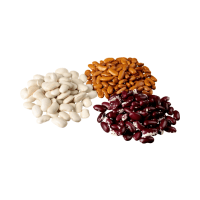
eggs alternative, pics of eggs, edamame, cottage cheese and beans

Eggs have long been our go-to for quick, protein-packed meals. That’s understandable, considering an average egg contains 6-7 grams of protein. According to a detailed article by VeryWellHealth, a regular man needs about 56 grams of protein per day, while women require around 46 grams. Some people consume more than five eggs daily. For example, Coach Ryan Meng emphasizes that eating at least five eggs per day is essential for muscle growth and overall health. He debunks the myth that eggs cause heart disease, explaining that poor health habits—such as a sedentary lifestyle and processed foods—are the real culprits.

Some bodybuilders believe that maximizing muscle building and fat loss requires at least 30 grams of protein per meal. Eggs, being one of the most nutrient-dense foods available, are a staple for many fitness enthusiasts.

However, a 2018 article by Brad and Alan does not strongly support the claim. 

  1. Muscle Protein Synthesis (MPS) Threshold –MPS is maximized in young adults at around 20–25g of high-quality protein per meal. This suggests that 30g is not necessarily required, though it may not be harmful.
  2. Higher Protein Doses & Utilization – While excess protein beyond ~25g may be oxidized for energy, some studies (e.g., Macnaughton et al.) suggest that consuming more (like 40g) after resistance training can further enhance MPS, especially when larger muscle groups are trained.
  3. Slower Digestion & Mixed Macronutrients – Protein consumed with other macronutrients (such as fat and carbs) is absorbed more slowly, potentially increasing amino acid availability and utilization.
  4. Guidelines for Optimal Protein Distribution – Brad and Alan recommend consuming protein at 0.4 g/kg/meal across at least four meals to reach 1.6 g/kg/day for muscle growth, with an upper intake of 0.55 g/kg/meal for those consuming 2.2 g/kg/day.

Why are Eggs Expensive?

Do we blame the gym bros for the increased price of eggs? No. According to Daily News journals, there are many factors responsible for the high prices of eggs. Inflation, supply chain issues, bird flu and shortage of staff.

It also takes about 6 months to get an hen to start laying eggs and when they do lay eggs, we have to wait a while to start laying large eggs because their first eggs are usually small

The primary reason for the decreased egg supply is the outbreak of highly pathogenic avian influenza (HPAI), particularly the H5N1 strain. This disease, which began in 2022, has affected over 150 million birds, including laying hens. The virus has led to the loss of millions of birds, and the impact continues, with 23.3 million birds lost in January 2025 alone.

With the egg industry under significant pressure, it’s time to consider high-protein alternatives that offer even more protein than eggs.

High-Protein Egg Alternatives for Your Diet

1. Greek Yogurt

Greek yogurt is more than just a creamy snack—it’s a high-protein powerhouse. According to USDA,  100g of Greek yogurt can provide around 10 grams of protein, depending on the brand and variety. It’s also rich in probiotics, which can benefit your digestive system.

Greek yogurt supports digestive health and muscle repair. Plus, it’s a great source of calcium, which is important for bone health.

How to Use It:  

– Add it to smoothies for a creamy texture and protein boost.  

– Use it in baking cakes and muffins.  

– Enjoy it as a topping for your favorite breakfast bowls and granola or mix with fruits and nuts for a delicious snack.

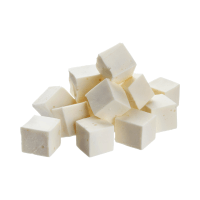
2. Tofu

Tofu is an incredibly versatile protein source, especially in plant-based diets. It’s packed with protein, according to USDA, it is about  8 grams per 100 grams of tofu and is a great replacement for eggs in many recipes

In an article by Healthline,  it is mentioned that tofu is packed with nutrients and contains all the essential amino acids your body needs,

How to Use It:  

– Scramble it with spices and veggies as a substitute for scrambled eggs.  

– Add it to stir-fries, salads, or soups.  

– Blend it into smoothies for a creamy texture without the eggs.

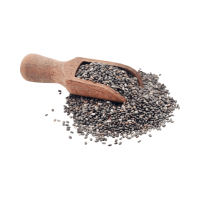
3. Chia Seeds

Just two tablespoons of chia seeds provide about 4 grams of protein and are also rich in omega-3 fatty acids and fiber. Chia seeds are loaded with antioxidants and fiber, helping support heart health and digestive function.

How to Use It:  

– Use chia seeds in puddings by mixing them with your favorite plant-based milk and letting them soak overnight.  

– Add them to smoothies or sprinkle them on top of salads and yogurt.  

4. Lentils

Lentils are my favorite things to eat because they are very versatile. A cup of cooked lentils provides about 18 grams of protein and is also high in fiber, making it a filling and nutritious substitute. Lentils are rich in iron and are an excellent choice for vegetarians and vegans looking to boost their protein intake.

How to Use It:  

– Add lentils to soups and stews.  

-Use them as muffins, akara and moi moi

– Use them in wraps, salads, or as a filling for veggie burgers.  

– Combine them with rice for a complete protein source.

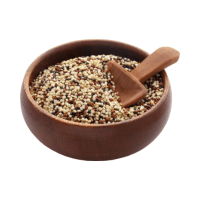
5. Quinoa

Unlike most plant-based proteins, quinoa is a complete protein, meaning it contains all nine essential amino acids. One cup of cooked quinoa offers about 8 grams of protein, making it an excellent choice for vegetarians.

Quinoa is gluten-free, high in fiber, and provides a steady release of energy, making it perfect for people with active lifestyles.

How to Use It:  

– Use quinoa as a base for salads, grain bowls, or in place of rice.  

– Mix quinoa with fruit and nuts for a delicious breakfast porridge.  

– Incorporate quinoa into baking recipes like muffins or cookies.

6. Nut Butters

Nut butters, such as almond, peanut, or cashew butter, are packed with protein and healthy fats. Just two tablespoons of peanut butter can provide around 8 grams of protein.

Nut butters support heart health, improve satiety, and provide a quick energy boost, making them a great snack option.

How to Use It:  

– Spread nut butter on toast or crackers.  

– Add it to smoothies or oatmeal for extra protein.  

– Use it in baking or as a dip for fruits like apple slices.

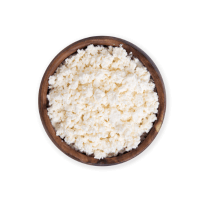
7. Cottage Cheese

Cottage cheese is an underrated protein source, offering about 14 grams of protein per half-cup serving. It’s also packed with calcium, which is essential for bone health.

Cottage cheese is an excellent choice for muscle building and is easy to incorporate into various meals, both sweet and savory.

How to Use It:  

– Enjoy it as a topping for fruits or mix it into salads.  

– Use cottage cheese as a filling for crepes or stuffed vegetables.  

– Blend it into smoothies for added creaminess and protein.

8. Seitan

Seitan, made from gluten, is a protein-packed alternative that provides around 17 grams of protein per 100g  serving. It’s often referred to as “wheat meat” due to its meat-like texture. Seitan is high in iron and can be a great addition to a plant-based or vegetarian diet for muscle-building.

How to Use It:  

– Use seitan in stir-fries, sandwiches, or tacos as a substitute for meat.  

– Grill or bake it with spices for a savory main dish.  

– Add it to soups and stews.

9. Edamame: A Protein-Packed Snack

Edamame, young soybeans, are a great source of protein, with about 12 grams of protein per 100g serving. They’re also packed with fiber, making them a filling snack.

Edamame supports digestive health and is an excellent choice for lowering cholesterol levels.

How to Use It:  

– Snack on edamame by boiling or steaming them.  

– Toss them into salads or grain bowls.  

– Blend them into spreads like hummus.

10. Beans

Beans, such as black beans, kidney beans, and chickpeas, are packed with protein and fiber. A cup of cooked beans can provide up to 15 grams of protein, depending on the variety.

Beans help regulate blood sugar levels and are excellent for heart health due to their high fiber content.

How to Use It:  

– Use beans in soups, stews, or chili.  

– Add them to salads or make a delicious bean dip like hummus.  

– Incorporate them into baked goods like brownies for added protein.

Conclusion

There are plenty of high-protein egg alternatives out there, ranging from dairy options like Greek yogurt and cottage cheese to plant-based choices such as tofu, quinoa, and edamame. Whether you’re vegan, lactose intolerant, or simply trying to diversify your diet, these alternatives can provide the protein you need without relying on eggs. Try incorporating them into your meals to enjoy both the health benefits and the delicious flavors they bring to your table.         


The Riches of His Grace By Apostle Joshua Selman

The riches of his grace Is a message by Apostle Joshua Selman

When the Apostle said this, I didn’t realize when tears started rolling down my eyes. Like many Christians, I was under the impression that due to my sin, maybe God was angry with me, and perhaps I wasn’t worthy of love like others were. The Apostle broke such an evil thought with this word, and I am so grateful for it. I listened while he spoke, reading each Bible verse and trying to remain focused.

Biblical Description of Jesus

He began by showing us who God was according to the Bible. I can almost recite it: the Bread of Life, the Mediator, the Word, the Author and the Finisher of our faith, our Mediator, the Savior of the world. He went on to describe Jesus and emphasized that these descriptions of Jesus were spiritual pathways.

  • The Bread of Life: John 6:35
  • The Light of the World: John 8:12
  • The Door: John 10:7
  • The Good Shepherd: Psalm 23:1, John 10:11
  • The True Vine: John 15
  • The Way, the Truth, and the Life: John 14:6
  • Alpha and Omega: Revelation 22:13
  • The First and the Last: Revelation 1:17
  • He that liveth, dead and alive forever: Revelation 1:18

Why did Jesus come to Earth?

He then asked a profound question, one I thought I knew the answer to: Why did Jesus come to Earth? In my mind, I thought, “To die for our sins.” Well, I wasn’t wrong, but the Apostle showed us other agendas that Jesus fulfilled during His time on Earth:

  • To save us from our sins: Matthew 1:21
  • To reconcile us with God: John 3:16, John 10:10
  • He came as the Pattern Man—meaning He is the earthly representation of who God is.

The message went on to explain what salvation is. Salvation is victory over sin, Satan, death, hell, the grave, the flesh, and the world. He taught quite a lot about the Greek words related to sin. I can try naming them here, but definitely go watch the message to ensure you understand the meaning.

  • Pawsa, which means transgression—breaking away from a just authority: Exodus 34:7
  • Avon, iniquity, which means to make crooked: Psalm 52:3
  • Harmartia, sin, which means to miss the mark: Matthew 1:21

So how are we saved?

We are saved by believing the gospel and all the blessings that come with it through faith in Jesus Christ: Romans 10:8-9.

There are 4 parts of the gospel:

  1. The original state: Genesis 1:6
  2. The fall of man and the consequences of the fall: Romans 3:23, Ezekiel 18:22
  3. The revelation of Jesus and the redemption
  4. Man’s response to that gift and his newfound status in Christ

He rounded things up by hammering it into our heads that God loves us, and He loves all equally: 2 Timothy 2:20. The same God is rich unto all.

I recommend that you guys watch the full video, He starts preaching at 02:08:46

//www.instagram.com/embed.js

10 Proven Nutrition Tips for Reducing Your Type 2 Diabetes Risk

Diabetes

Type 2 diabetes is a growing health concern worldwide, but the good news is that it can often be prevented or delayed through lifestyle changes. Diet plays a critical role in managing blood sugar levels and maintaining overall health. If you’re at risk for type 2 diabetes, adopting healthy eating habits can make a significant difference.

This article provides 10 practical dietary tips to help regulate blood sugar, improve metabolism, and lower the risk of developing diabetes. We’ll also explore healthier alternatives to common foods and habits that could be increasing your risk.

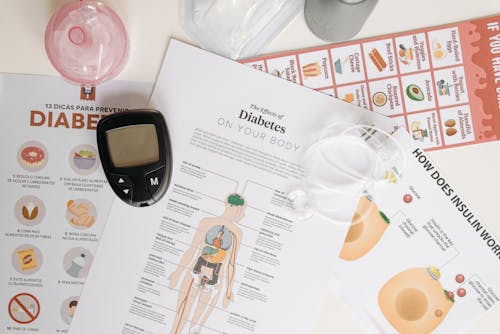
Free Close-up of diabetes management tools and informational documents on a table. Stock Photo
Close-up of diabetes management tools and informational documents on a table.

1. Choose Drinks Without Sugar

One of the easiest ways to cut down on excess sugar is by changing what you drink. Sugary drinks like soda, energy drinks, and sweetened teas can cause rapid blood sugar spikes and increase insulin resistance.

Healthier Alternatives:

  • Water: The best choice for hydration with zero calories or sugar.
  • Herbal teas: Naturally free from sugar and available in a variety of flavors.
  • Sparkling water with a splash of lemon or lime: A great substitute for soda.
  • Infused water: Add slices of cucumber, berries, or mint for a refreshing drink.

2. Drink Tea and Coffee Without Added Sugar

While tea and coffee can have health benefits, adding sugar, syrups, or flavored creamers can turn them into sugar-laden drinks. Instead, try these alternatives:

  • Use cinnamon or vanilla extract for natural sweetness.
  • Try unsweetened almond or coconut milk instead of sugary creamers.
  • Choose black coffee or green tea, which contain antioxidants beneficial for blood sugar control.

3. Skip Fruit Juices and Smoothies

Although fruit is healthy, fruit juices and store-bought smoothies often remove the fiber and concentrate the sugar content. This can cause a rapid rise in blood sugar levels.

According to research, Drinking 100% fruit juice is not linked to a higher risk of diabetes, but it may not be the best option for individuals already managing the condition

Best alternatives:

  • Eat whole fruits instead of drinking juice.
  • Blend homemade smoothies with high-fiber ingredients like spinach, flaxseeds, and unsweetened yogurt.
  • Dilute fruit juices with water to reduce sugar intake.

4. Choose High-Fiber Carbs

Fiber helps slow down digestion, keeping blood sugar levels stable. According to CDC, diabetics should opt for complex carbs that are high in fiber, rather than low-fiber refined carbs.

High-Fiber Carbs (Good Choices):

  • Whole grains: Brown rice, quinoa, whole wheat bread, oats.
  • Legumes: Lentils, chickpeas, black beans.
  • Vegetables: Sweet potatoes, carrots, broccoli.

Low-Fiber Carbs to Avoid (Bad Choices):

  • White bread and white rice.
  • Pastries, cookies, and processed cereals.

Below is an example of how you can add complex carbs to your diet.

Breakfast:

  • Swap white toast for whole grain bread with avocado or peanut butter.
  • Add oats to your morning routine—try oatmeal topped with nuts and berries.
  • Blend a fiber-rich smoothie with spinach, flaxseeds, and unsweetened yogurt.

Lunch & Dinner:

  • Replace white rice with quinoa, brown rice, or bulgur as a side dish.
  • Use lentils, chickpeas, or black beans in soups, stews, or salads.
  • Choose whole wheat pasta instead of regular pasta.

Snacks:

  • Enjoy hummus with whole grain crackers or veggie sticks.
  • Munch on air-popped popcorn, which is a whole grain.
  • Try Greek yogurt with flaxseeds and chia seeds for an added fiber boost.

5. Replace Red Meat with Healthier Proteins

Research shows that consuming too much red and processed meat can increase the risk of diabetes due to its high saturated fat content.

Free A hearty breakfast with fried eggs, baked beans, and toast served with coffee in a cozy setting. Stock Photo
Hearty breakfast with fried eggs, baked beans, and toast served with coffee

Healthier Protein Sources:

  • Poultry: Skinless chicken and turkey.
  • Fish: Salmon, sardines, and mackerel are rich in omega-3 fatty acids.
  • Plant-based proteins: Lentils, beans, tofu, and unsalted nuts.
  • Eggs: A great source of protein with minimal impact on blood sugar.

6. Eat Plenty of Fruits and Vegetables

Free Refreshing green smoothie made with apple, cucumber, and lettuce served in mason jars on wooden background. Stock Photo
Refreshing green smoothie made with apple, cucumber, and lettuce

Fruits and vegetables are essential for a balanced diet, but not all fruits are equal when it comes to blood sugar control.

Best Fruits for Diabetes Prevention:

The best fruit according to American Diabetes Association  fruits that are fresh, frozen, or canned without added sugars. When selecting canned fruit, look for labels such as ‘packed in its own juices,’ ‘unsweetened,’ or ‘no added sugar.’ While dried fruit and 100% fruit juice can also be nutritious options, their smaller portion sizes may make them less satisfying compared to whole fruits.

  • Berries: Blueberries, raspberries, strawberries (high in fiber, low glycemic index).
  • Citrus fruits: Oranges, lemons, grapefruits.
  • Apples and pears: High in fiber when eaten with the skin.

Furthermore, avoid juicing fruits, as it removes fiber and spikes blood sugar levels.

7. Choose Unsweetened Yogurt and Cheese

Many yogurts contain hidden sugars, especially flavored varieties. Instead:

  • Choose plain Greek yogurt and add fresh fruit for flavor.
  • Opt for cheese varieties with lower saturated fat, such as cottage cheese or mozzarella.

8. Don’t Drink Too Much Alcohol

Excess alcohol can contribute to weight gain and blood sugar imbalances. Researchers have found an association between moderate alcohol intake with a reduced risk of diabetes. To reduce alcohol intake:

  • Set weekly limits for alcohol consumption.
  • Drink water between alcoholic beverages.
  • Choose lower-alcohol options, like wine spritzers.

9. Choose Healthy Snacks

Snacking is a great way to keep energy levels steady, but unhealthy choices can lead to blood sugar spikes. Instead, opt for healthy snacks, check a full list of healthy snacks by MedicalNewsToday

Healthy Snacks for Blood Sugar Control:

  • Nuts and seeds: Almonds, walnuts, chia seeds.
  • Avocados
  • Turkey slices
  • Hummus with veggie sticks.
  • Hard-boiled eggs.
  • Greek yogurt with berries.

10. Choose Healthier Fats

Did you know fats can be part of a healthy diet, According to the American Heart Association, not all fats are bad. Avoid unhealthy trans fats and opt for healthier options instead.

Bad Fats (Avoid):

  • Margarine, fried foods, processed snacks.

Good Fats (Include More):

  • Olive oil, avocado oil.
  • Nuts and seeds.
  • Fatty fish (salmon, tuna).

Bonus Tip: Get Vitamins from Food, Not Supplements

Whole foods provide a natural balance of nutrients without synthetic additives. Prioritize:

  • Leafy greens: High in vitamin C and magnesium.
  • Nuts: Provide healthy fats and vitamin E.
  • Dairy: A good source of calcium and vitamin D.

Conclusion

Preventing type 2 diabetes starts with small, sustainable dietary changes. By following these 10 tips, you can make healthier food choices that help maintain stable blood sugar levels and promote long-term health.

Did you find this article helpful? Leave a comment below


Health Benefits of Chicken Gizzards: Are Chicken Gizzards Healthy?

gizzard kebabs

Gizzards are a hidden gem in the world of nutrition. Whether you’ve had them in a spicy peppered dish, a Southern fried delicacy, or a slow-cooked stew, gizzards pack a punch in both flavor and health benefits. But is gizzard healthy to eat? Absolutely. This nutrient-dense organ meat is packed with protein, vitamins, and minerals that can benefit your body in numerous ways. Let’s dive into what gizzards are, their nutritional value, and why you should consider adding them to your diet.

What Are Chicken Gizzards?

raw gizzard

A gizzard is a small, muscular organ found in the digestive tract of birds. Since birds lack teeth, the gizzard helps them grind food before it moves through the rest of their system. Common sources include chicken, turkey, and duck gizzards, which are widely available and affordable. Despite their chewy texture, they are delicious when cooked properly and can be incorporated into various dishes worldwide.

Chicken Gizzard Nutritional Value

Gizzards are nutrient powerhouses, offering a range of essential vitamins and minerals:

  • High in Protein – Essential for muscle growth and tissue repair.
  • Rich in Iron – Prevents anemia and boosts energy levels.
  • Packed with B Vitamins – Supports metabolism and brain function.
  • Low in Fat – A great lean protein choice when not deep-fried.
  • Contains Zinc and Selenium – Strengthens the immune system and promotes healthy skin.

What Does Chicken Gizzard Do in the Body?

If you’re looking for a food that fuels your body with essential nutrients, gizzards are an excellent choice. Here’s how they benefit your body:

  • Supports Muscle Growth and Recovery – Their high protein content makes them perfect for athletes and fitness enthusiasts.
  • Boosts Energy Levels – Iron and B vitamins help in oxygen transport and energy production.
  • Aids Digestion – The nutrients in gizzards support gut health.
  • Enhances Immunity – Zinc and selenium work together to protect your body from infections.

Get Leaner and Build Mass

Trying to shed fat while building lean muscle? Gizzards should be on your menu. Their high protein and low-fat content make them an excellent food for weight management. Plus, they keep you fuller for longer, reducing unhealthy cravings and unnecessary snacking.

Try This: Simple Boiled Gizzard Recipe

Want a healthy way to enjoy gizzards? Try this easy method:

Ingredients:

  • 1 lb chicken gizzards
  • 1 onion (chopped)
  • 2 cloves garlic (minced)
  • 1 teaspoon salt
  • 1 teaspoon black pepper
  • 1 teaspoon ginger powder
  • 4 cups water

Instructions:

  1. Rinse the gizzards thoroughly and trim off excess fat.
  2. Add them to a pot with water, onions, garlic, salt, black pepper, and ginger powder.
  3. Bring to a boil, then lower the heat and simmer for 45 minutes to 1 hour until tender.
  4. Drain and serve with a side of vegetables or use them in other dishes.

What Are the Side Effects of Chicken Gizzards?

While gizzards are packed with health benefits, moderation is key. Here are a few things to keep in mind:

  • High in Cholesterol – If you have heart issues, consume in moderation.
  • Chewy Texture – Can be tough if not cooked properly, so slow cooking or boiling helps.
  • Fat Content Varies – If deep-fried, gizzards can be high in unhealthy fats. Opt for grilled, boiled, or stir-fried versions.

Which Is Better: Liver or Gizzards?

If you’re torn between liver and gizzards, here’s a quick comparison:

Liver:

  • Higher in vitamin A, which supports vision and immunity.
  • Contains more iron, making it ideal for those with anemia.
  • Higher in cholesterol, so intake should be monitored.

Gizzards:

  • Lower in fat and calories, making them a leaner choice.
  • Richer in protein, supporting muscle growth and metabolism.
  • More versatile in cooking due to their mild flavor.

Which one is better? It depends on your dietary needs. If you need more iron and vitamin A, go for liver. If you want a high-protein, low-fat option, gizzards win.

Try This: Nigerian Peppered Gizzard Recipe

For a spicy twist, try this Nigerian-style gizzard recipe:

Ingredients:

  • 1 lb boiled chicken gizzards
  • 2 tablespoons vegetable oil
  • 1 onion (chopped)
  • 2 scotch bonnet peppers (blended)
  • 1 bell pepper (chopped)
  • 1 teaspoon paprika
  • 1 teaspoon garlic powder
  • 1 teaspoon salt
  • 1 teaspoon black pepper
  • 1 tablespoon soy sauce (optional)

Instructions:

  1. Heat oil in a pan and sauté onions until golden.
  2. Add blended scotch bonnet peppers and bell peppers, then cook for 3-5 minutes.
  3. Stir in boiled gizzards, paprika, garlic powder, salt, and black pepper.
  4. Cook for another 5 minutes, stirring occasionally.
  5. Serve hot as a snack or with rice for a full meal.

Conclusion

Gizzards are a highly nutritious, affordable, and delicious protein source that can be cooked in numerous ways. Whether you prefer them boiled, stir-fried, or in a spicy peppered dish, they offer fantastic health benefits, from boosting muscle growth to aiding digestion. While they have some cholesterol, they can be a great addition to a balanced diet when consumed in moderation.

So, are you ready to try gizzards? Let us know your favorite gizzard recipe in the comments.


Delayed Gratification: Key to Success & Self-Control

Woman eating cake on the floor

Imagine you have two choices: eat a delicious slice of cake now or wait an hour and get two slices. Which would you choose? Your answer reflects your ability to practice delayed gratification—resisting short-term pleasure in exchange for a greater reward in the future.

Delayed gratification is essential for success in almost every area of life, from financial stability to physical health and career growth. However, in today’s fast-paced world filled with instant rewards like social media, fast food, and online shopping, mastering this skill has become increasingly challenging.

In this blog, we will explore delayed gratification, why some people struggle with it, its benefits, and how you can develop this life-changing skill.

Free Man enjoying ice cream and cake indoors, showcasing casual dining and lifestyle. Stock Photo
Man enjoying cake and Ice cream after a long day at work

What is Delayed Gratification?

Delayed gratification refers to resisting an immediate reward instead of a larger, more meaningful reward later on. It requires self-control, patience, and a clear understanding of long-term goals.

A classic example of delayed gratification is the Marshmallow Experiment conducted by psychologist Walter Mischel. In this study, children were given a marshmallow and told to eat it immediately or wait 15 minutes to receive a second marshmallow. The study found that those who waited tended to perform better academically, financially, and socially than those who gave in to temptation.

What Does It Mean to Have Trouble with Delayed Gratification?

Struggling with delayed gratification means frequently giving in to short-term temptations, even when it may negatively affect your long-term goals. This can manifest in various ways, such as:

  • Impulse spending – Buying unnecessary things instead of saving money.
  • Unhealthy eating habits – Choosing fast food over nutritious meals.
  • Procrastination – Watching TV instead of studying or working.
  • Addiction to instant pleasures – Constantly checking social media instead of being productive.

People who struggle with delayed gratification often experience difficulties achieving long-term success, maintaining healthy relationships, and managing their time and finances effectively.

The Benefits of Delayed Gratification

Mastering delayed gratification offers significant advantages in various aspects of life:

1. Better Financial Management

People who delay gratification tend to save more money, invest wisely, and avoid unnecessary debt. Instead of impulse shopping, they focus on building wealth over time.

2. Improved Health

Those who practice delayed gratification make better lifestyle choices, such as maintaining a balanced diet, exercising regularly, and avoiding harmful habits like smoking or excessive drinking.

3. Stronger Relationships

Delayed gratification fosters patience, emotional intelligence, and trust in relationships. Instead of seeking immediate validation, people prioritize deeper connections and long-term happiness.

4. Career and Academic Success

Success often requires consistent effort and discipline. Those who delay gratification are more likely to stay committed to their studies or careers, leading to higher life achievements.

5. Increased Emotional Intelligence

Resisting temptations strengthens self-control and emotional stability. People who master delayed gratification tend to handle stress better and make more rational decisions.

Is Delayed Gratification Always Good?

While delayed gratification is generally beneficial, striking a balance is essential. Waiting too long for rewards or depriving yourself of all immediate pleasures can lead to stress and burnout.

For example, if you constantly delay relaxation or socializing in favor of work, you might miss out on important life experiences. The key is to apply delayed gratification wisely—knowing when to wait and when to enjoy the present moment.

The Cycle of Instant Gratification

Many people fall into a loop of instant gratification, constantly seeking quick rewards without considering long-term consequences. This cycle is driven by dopamine, a neurotransmitter in the brain that makes us feel good when we experience pleasure. There have also been research that tried to identify the exact place in the brain associated with delayed gratification.

Here’s how the cycle works:

  1. Trigger – You feel bored, stressed, or tired.
  2. Impulse – You seek a quick escape (scrolling social media, eating junk food, etc.).
  3. Reward – You experience a short-lived pleasure.
  4. Repeat – The brain reinforces this behavior, making it a habit.

Breaking this cycle requires awareness, discipline, and strategic changes in daily habits.

Common Short-Term Gratifications That People Use

Many people rely on instant rewards to feel good temporarily. Some of the most common include:

Free Close-up of a woman with red nails using a smartphone indoors, showcasing social media browsing. Stock Photo
You can lose hours of productivity scrolling on social media
  • Scrolling social media – Instead of working or studying.
  • Eating unhealthy food – Choosing fast food over nutritious meals.
  • Impulse buying – Shopping for things you don’t need.
  • Binge-watching movies or TV – Watching all day instead of being productive.

While these activities aren’t necessarily bad, overindulging can derail long-term progress.

Which Part of the Brain Controls Delayed Gratification?

Delayed gratification is controlled by the prefrontal cortex, the part of the brain responsible for decision-making and self-control.

The limbic system, which drives emotions and urges, often competes with the prefrontal cortex. When the limbic system dominates, people tend to give in to temptations. Strengthening the prefrontal cortex through self-discipline, meditation, and goal-setting can help improve delayed gratification.

Traits of Someone Good at Delayed Gratification

People who excel in delayed gratification often display the following traits:

  • High self-discipline – They can resist temptations easily.
  • Patience – They understand that success takes time.
  • Strong emotional regulation – They control their impulses effectively.
  • Goal-oriented mindset – They focus on long-term success rather than short-term pleasure.

How Does Delayed Gratification Relate to Emotional Intelligence?

Emotional intelligence (EQ) involves understanding and managing emotions effectively. Delayed gratification is key to EQ because it requires self-awareness, impulse control, and long-term thinking.

People with high EQ:

  • Handle stress better.
  • Make more rational decisions.
  • Are less likely to engage in impulsive behaviors.

Delayed Gratification vs. Procrastination: Are They Related?

Many confuse delayed gratification with procrastination, but they are not the same.

  • Delayed gratification means waiting strategically for a better reward (e.g., saving money to invest).
  • Procrastination is delaying necessary tasks due to avoidance or fear (e.g., postponing studying until the last minute).

Understanding this difference is crucial for making better choices.

Examples of Delayed Gratification in Everyday Life

  • Social media: Choosing to work on a project instead of scrolling Instagram.
  • Finances: Saving for a house instead of spending on unnecessary items.
  • Health: Preparing a nutritious meal instead of ordering fast food.
  • Education: Studying for exams instead of watching TV.

How to Develop the Skill of Delayed Gratification

If you struggle with delayed gratification, here are some practical strategies to strengthen this skill:

  1. Start small – Practice resisting minor temptations (e.g., wait 10 minutes before snacking).
  2. Set clear goals – Define what you’re working toward and remind yourself of the benefits.
  3. Use ‘If-Then’ planning – Example: I can watch my favorite show if I finish my work.
  4. Delay rewards strategically – Gradually increase the waiting time before rewarding yourself.
  5. Strengthen willpower – Meditation, exercise, and mindfulness improve self-control.
  6. Surround yourself with disciplined people – Being around motivated individuals helps reinforce good habits.

Conclusion

Delayed gratification is one of the most powerful skills you can develop for long-term success and happiness. While modern distractions make it difficult, practicing small acts of self-control daily can transform your ability to resist short-term temptations.

By understanding how your brain works, setting clear goals, and implementing self-discipline strategies, you can build a future where greater rewards replace fleeting pleasures. Start today—your future self will thank you.

Did you find this article helpful? Leave a comment below

15 Delicious Ways To Add Lentils To Your Meals

Lentils

Lentils are packed with fiber and protein, which help keep you full for longer. They also have a low glycemic index (GI). This means they release energy slowly into the bloodstream, aiding in appetite control and blood sugar management.

Top 5 Health Benefits of Lentils

  • Rich in Phenols: May help reduce the risk of chronic diseases.
  • Supports Digestion: High fiber content promotes gut health.
  • Heart-Healthy: Helps manage blood pressure and cholesterol.
  • Low GI Food: Great for blood sugar regulation.
  • Plant-Based Protein: Excellent protein source for vegans.

Are Lentils a Carb or Protein?

Lentils contain both complex carbohydrates and protein, making them a balanced choice for meals. They are also naturally gluten-free, low in fat, and packed with essential nutrients.

Types of Lentils 

Lentils are edible seeds from the legume family, similar to beans and peas, and they grow in pods. There are several varieties, each with its own unique texture and flavor:

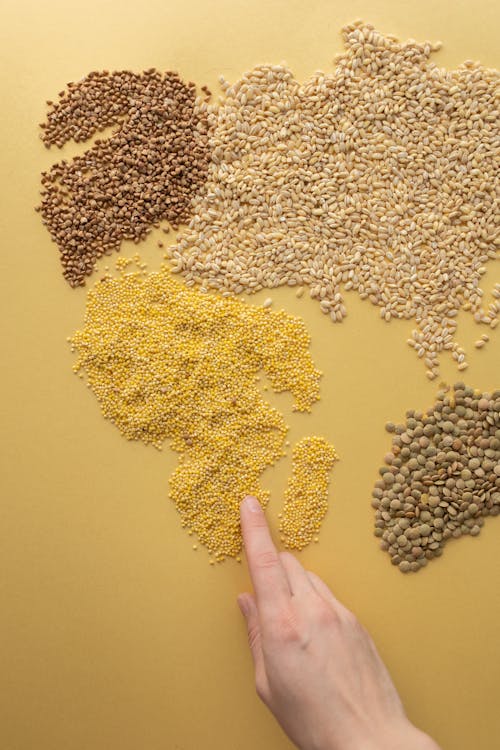
Free Top view of crop unrecognizable person making world continents with heap of assorted grains on yellow background in light studio Stock Photo

  • Brown Lentils (European Lentils): The most affordable type, brown lentils retain their shape when cooked, making them a great substitute for black beans in burgers and soups.
  • Green Lentils (French Lentils): These nutty-flavored lentils stay firm after cooking, making them ideal for salads.
  • Red Lentils: The quickest to cook, these mild and slightly sweet lentils become soft when cooked, perfect for purees and Indian dals. Lentils also come in yellow and orange varieties.
  • Black Lentils (Beluga Lentils): The smallest variety, these lentils resemble caviar, earning them the name Beluga lentils.

How to Boil Lentils

Lentils don’t require soaking and cook in just 15-20 minutes.

  1. Rinse them in a strainer.
  2. Add 1 cup of lentils to 2½ cups of water in a pot.
  3. Bring to a boil, then reduce heat, cover, and simmer for 15-20 minutes until tender.
  4. Drain well and use in recipes.
Free Close-up of dried orange lentils scattered in a blue bowl on a yellow background. Stock Photo
Lentils

15 Ways to Eat Lentils

1. Make Lentil Muffins

I just tried these, and omg, they are filling, easy to make, and store well in the fridge. They’re great for school or work, and they don’t have a strong smell. Plus, they keep you full for longer.

Recipe:

  • 2 cups red lentils
  • 1 onion
  • 1 chili
  • 1 Maggi cube
  • Salt (to taste)
  • 1 tbsp flour
  • 1 egg

Instructions:

  1. Blend all ingredients.
  2. Oil your muffin pan well (they stick easily).
  3. Pour in the mixture. No baking powder needed—they rise on their own.
  4. Bake for 20-30 minutes.

Fun Tip: Add carrots, mushrooms, or shredded chicken for extra nutrients.

2. Make Lentil Soup

Lentil soup has saved me so many times when I come home late and need something quick. I love pairing it with chicken, bread, and yogurt—absolutely delicious.

Recipe:

  • 1 cup lentils
  • 1 onion (chopped)
  • 2 cloves garlic (minced)
  • 1 carrot (chopped)
  • 4 cups broth or water
  • 1 tsp cumin
  • 1 tsp turmeric
  • Salt and pepper to taste

Instructions:

  1. Sauté onion and garlic in a pot.
  2. Add lentils, carrots, broth, and spices.
  3. Simmer for 25-30 minutes until lentils are soft.
  4. Blend for a creamy texture or enjoy as-is.

3. Add Lentils to Your Salad

Toss cooked lentils into salads for extra protein and fiber. They pair well with leafy greens, tomatoes, cucumbers, and a lemon vinaigrette.

4. Blend Lentils into Your Smoothies

Cooked lentils can be blended into smoothies for a protein and fiber boost without altering the taste.

5. Make Lentil Patties

Lentil patties taste just like Nigerian Akara and pair well with bread, custard, or oats.

6. Add Lentils to Your Stew

Stir cooked lentils into tomato-based stews for extra protein and heartiness.

7. Stir Lentils into Pasta and Noodles

Mix cooked lentils into spaghetti sauce or stir-fry noodles for added texture and nutrients.

8. Mix Lentils into Your Rice

Combine lentils with rice to create a nutrient-dense, protein-packed meal.

9. Fold Lentils into Your Eggs and Omelets

Add cooked lentils to scrambled eggs or omelets for a delicious, protein-rich breakfast.

10. Steam Lentils as Nigerian Moi Moi

Lentils make an excellent substitute for beans in Nigerian moi moi. Simply blend with spices, pour into molds, and steam.

11. Make Lentil Hummus

Blend cooked lentils with garlic, lemon juice, tahini, and olive oil for a tasty, protein-packed dip.

12. Use Lentils in Veggie Burgers

Mash cooked lentils with breadcrumbs, spices, and veggies to form patties for homemade veggie burgers.

13. Cook Lentils with Coconut Milk

Simmer lentils in coconut milk, curry, and spices for a creamy, flavorful dish.

14. Make Lentil Wraps

Use lentils as a filling for wraps with fresh veggies and sauce for a nutritious, on-the-go meal.

15. Bake Lentil Crackers

Mix lentil flour with spices and bake into crispy, high-protein crackers.

Nutrition

Lentils are packed with essential nutrients, making them a great addition to any diet. They are rich in minerals, protein, and fiber, supporting overall health and well-being.

A 100-gram (g) serving of cooked lentils contains:

  • 116 calories (kcal)
  • 9.02 g of protein
  • 0.38 g of fat
  • 20.13 g of carbohydrates, including 7.9 g of fiber and 1.8 g of sugar

Lentils are an excellent source of essential nutrients, including:

  • Folate
  • Iron
  • Manganese
  • Phosphorus
  • Thiamin
  • Potassium
  • Vitamin B-6

They also contain beneficial amounts of:

  • Riboflavin
  • Niacin
  • Pantothenic acid
  • Magnesium
  • Zinc
  • Copper
  • Selenium

How to Store Lentils

Store lentils in an airtight container in a cool, dry place. While they can be eaten indefinitely, they are best enjoyed within a year of purchase for optimal flavor and texture.

When Are Lentils in Season?

Lentils are available year-round.

How to Choose the Best Lentils

Lentils are available pre-cooked in cans or pouches, making them convenient for adding to salads and side dishes. However, they are most commonly bought dried. When selecting dried lentils, look for ones that are firm, clean, and unshrivelled.

The type of lentil you choose depends on how you plan to use them:

  • Green and Brown Lentils: Hold their shape well after cooking, making them ideal for warm salads, casseroles, and stuffing.
  • Puy Lentils: These grey-green lentils from the French region of Le Puy are more expensive but prized for their superior texture and taste. They pair well with upscale ingredients like fish, game, and sausages.
  • Red Split Lentils: Cook down into a smooth purée, making them perfect for thickening soups and casseroles. They are also commonly used in Indian dishes like dhal.
  • Yellow Lentils (Yellow Split Peas): Similar to red split lentils, they add a vibrant color to dishes. In northeastern England, they are traditionally stewed in ham stock to make pease pudding.

Conclusion

Lentils are incredibly versatile and can easily be incorporated into your meals. Whether you’re making muffins, soups, or stews, they offer a nutritious and budget-friendly way to stay full and healthy.

Did you find this blog interesting? Leave a comment below.